
Places • People • Living memory
Discover Saudi heritage and living culture
Follow the stories held in rock, earth, coast and community—from ancient inscriptions and historic districts to craft, hospitality and contemporary creativity.
The True KSA is an independent information platform. Official links and photographs do not imply endorsement. Research checked on 15 October 2026.
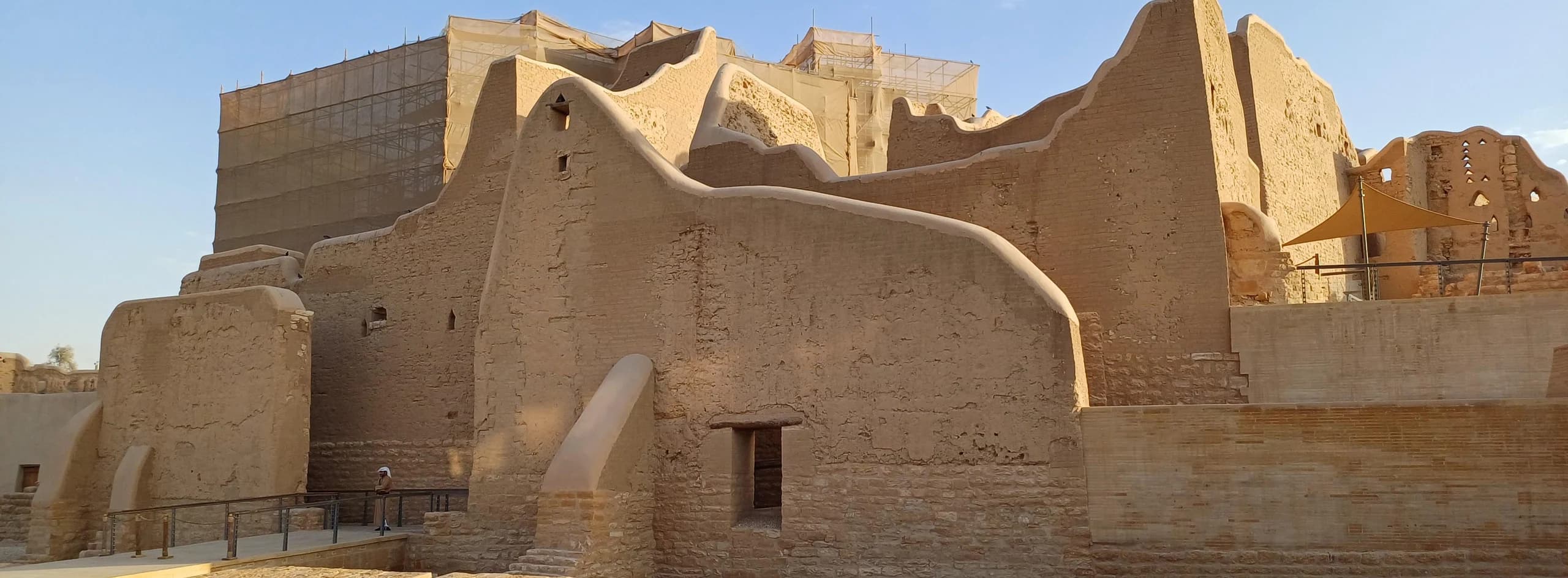
Heritage is more than a monument
Saudi heritage includes physical places and objects, the skills and traditions people pass on, and the records that help us understand earlier lives. It is cared for by institutions and by communities whose knowledge gives it meaning.
Culture
Culture is the way people express meaning and organise shared life: language, beliefs, values, hospitality, food, arts and everyday practices. It varies by region and generation and continues to change.
Built and archaeological heritage
Buildings, settlements, landscapes and objects help document earlier communities, technologies and forms of life. Their value depends on evidence, setting and careful conservation.
Living heritage
Knowledge and skills endure when people practise, teach and adapt them. A craft demonstration matters because of the practitioner and transmission, not only the object produced.
Documentary heritage
Inscriptions, manuscripts and archives preserve information about language, belief, trade and institutions. Documentary recognition has its own framework.
Source: UNESCO — What is intangible cultural heritage? · 15 Oct 2026
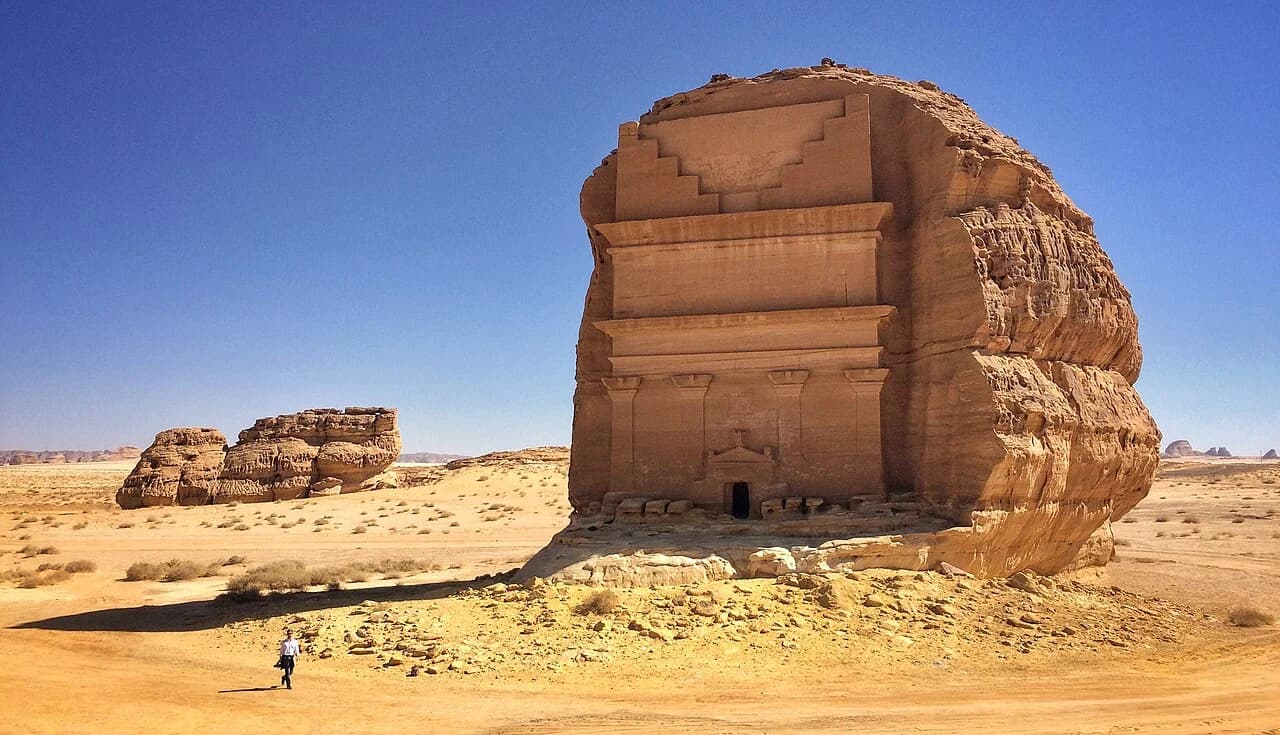 World HeritageWorld Heritage
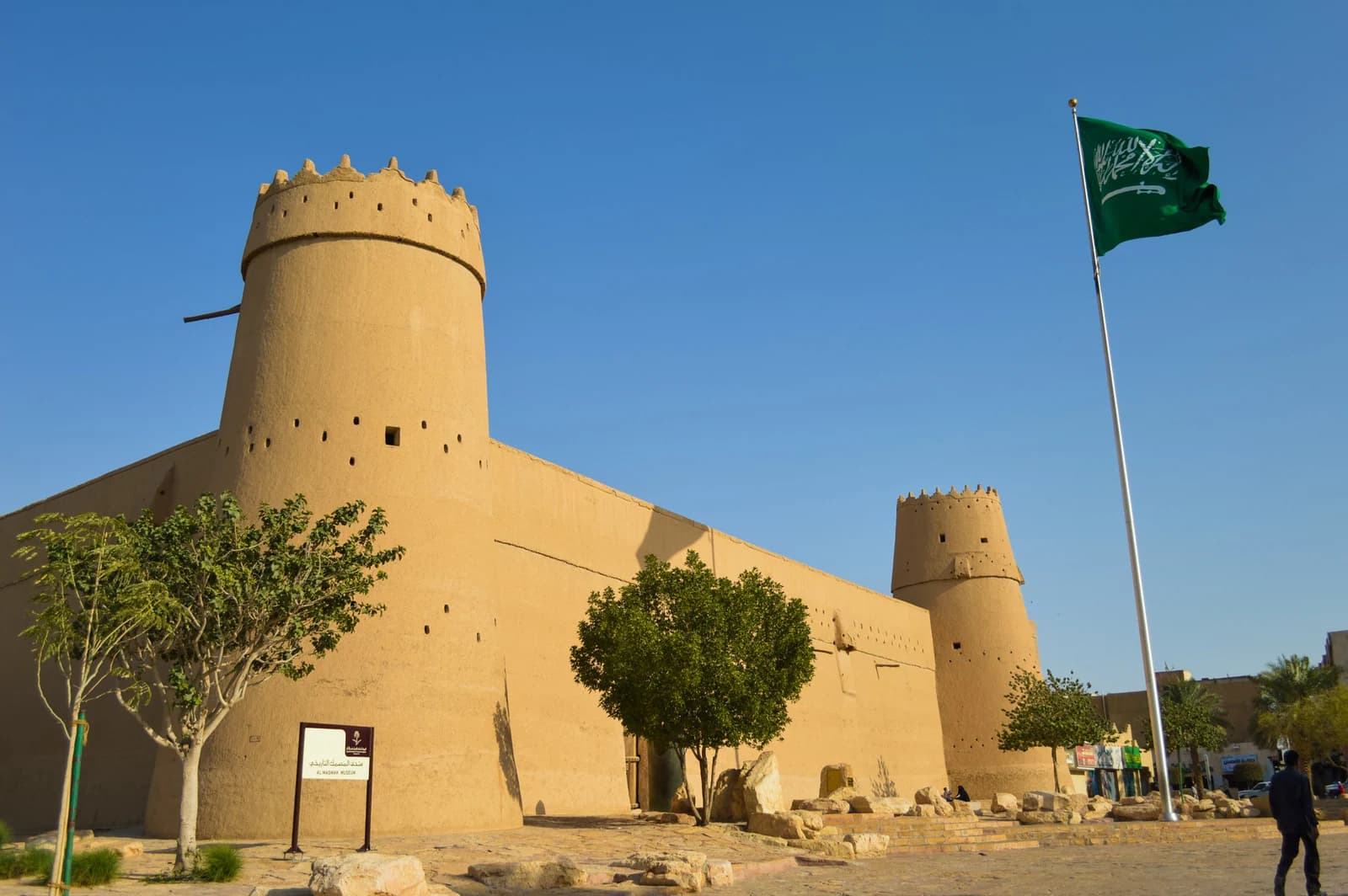 Forts and palacesForts and palaces
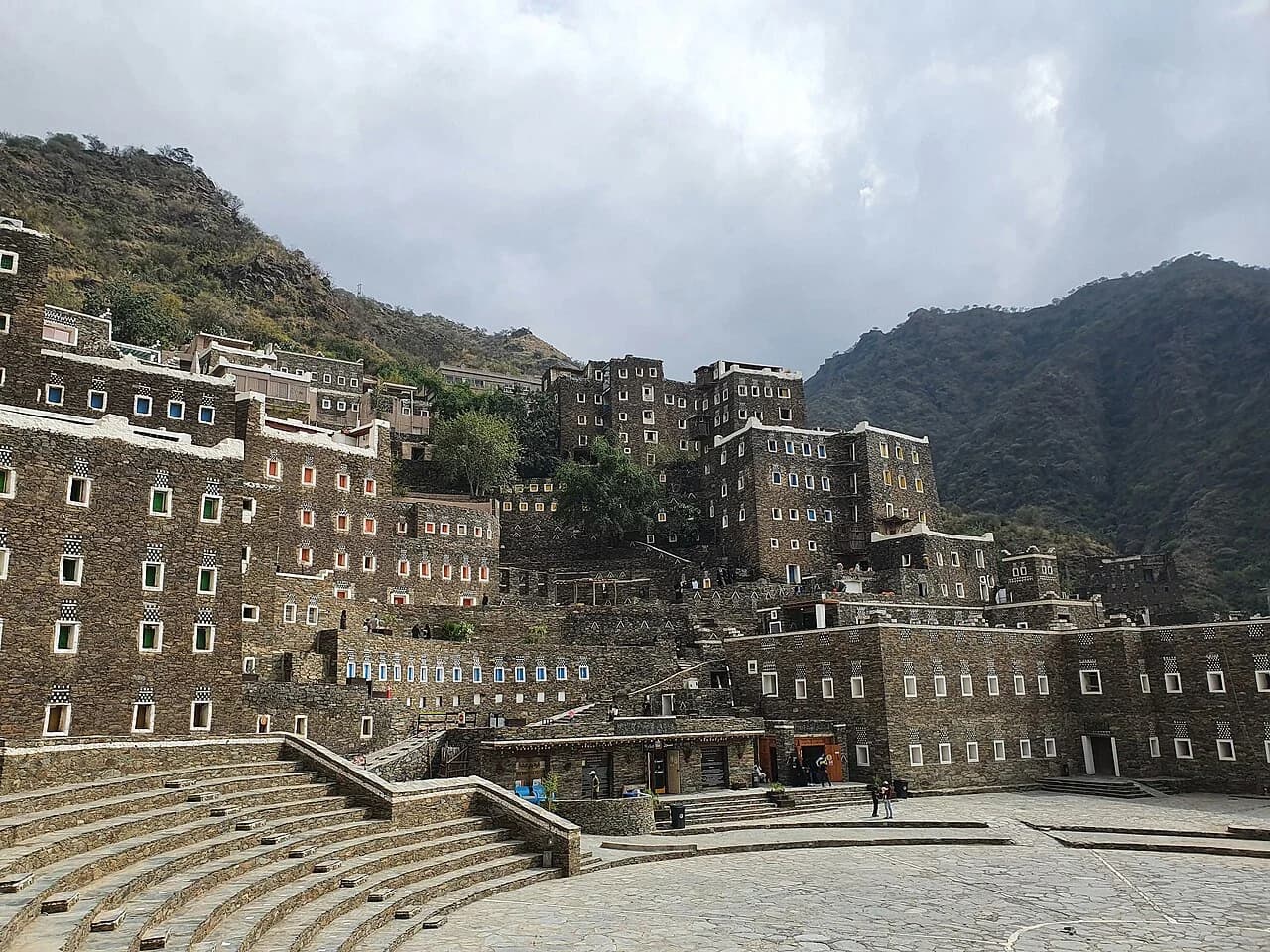 Heritage villagesView in the catalogue
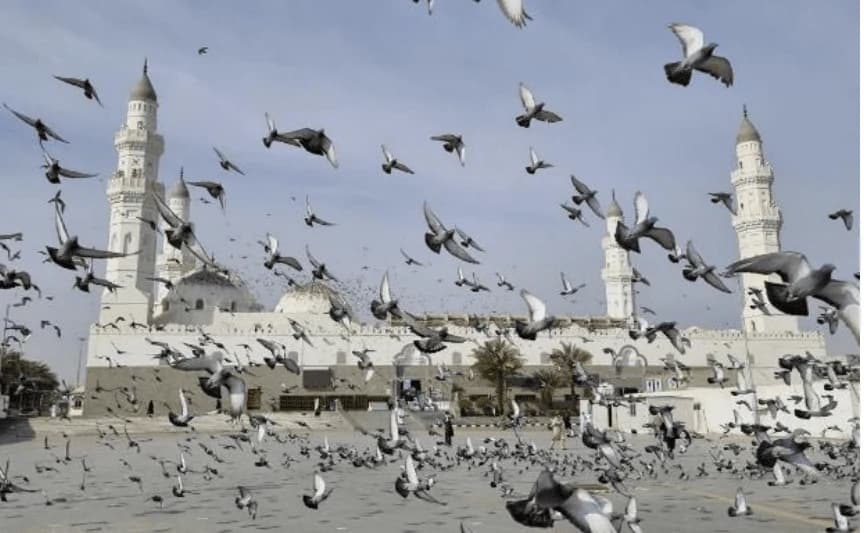 Mosques and religious historyHistoric mosques
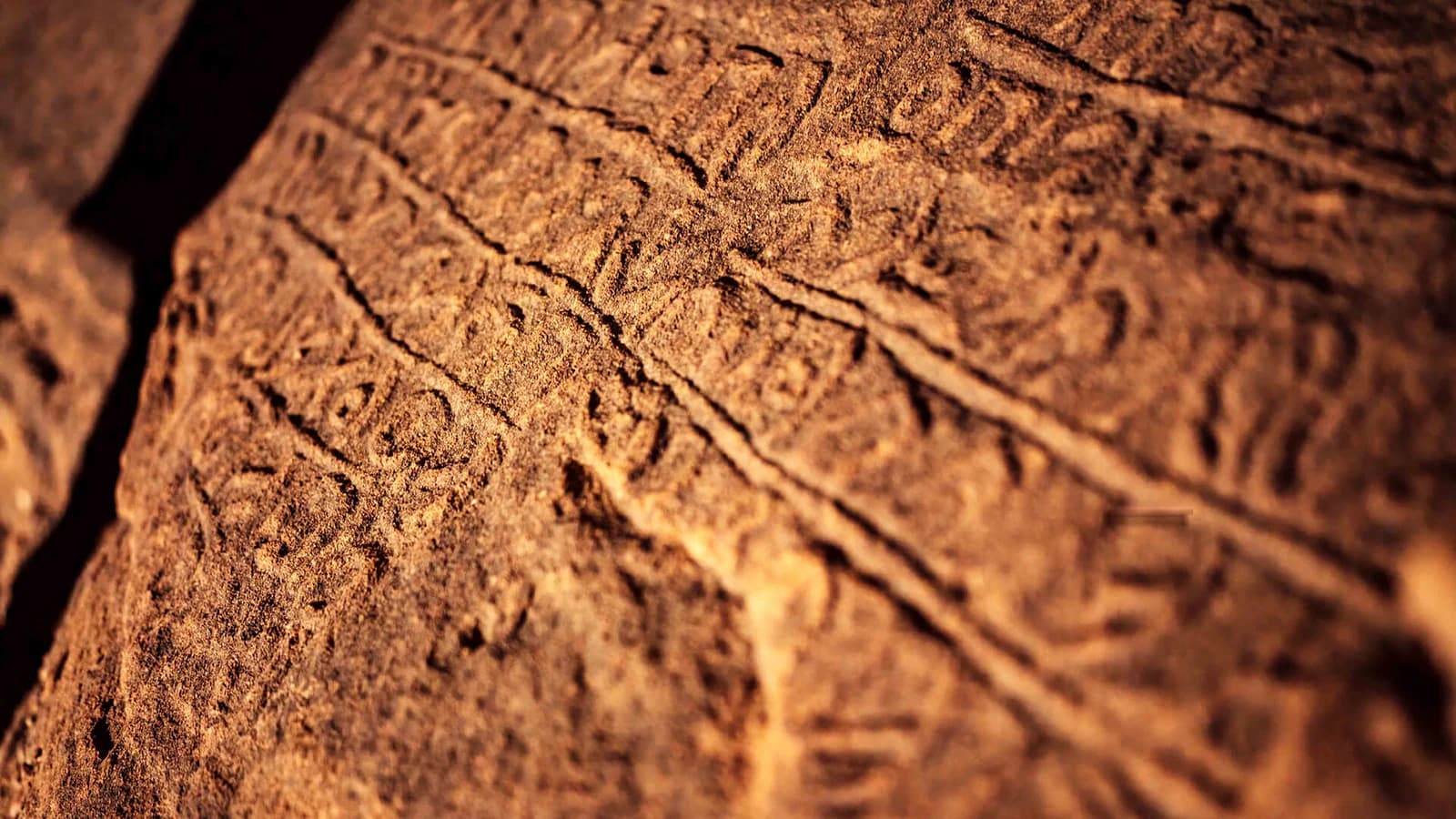 Archaeology and inscriptionsView in the catalogue
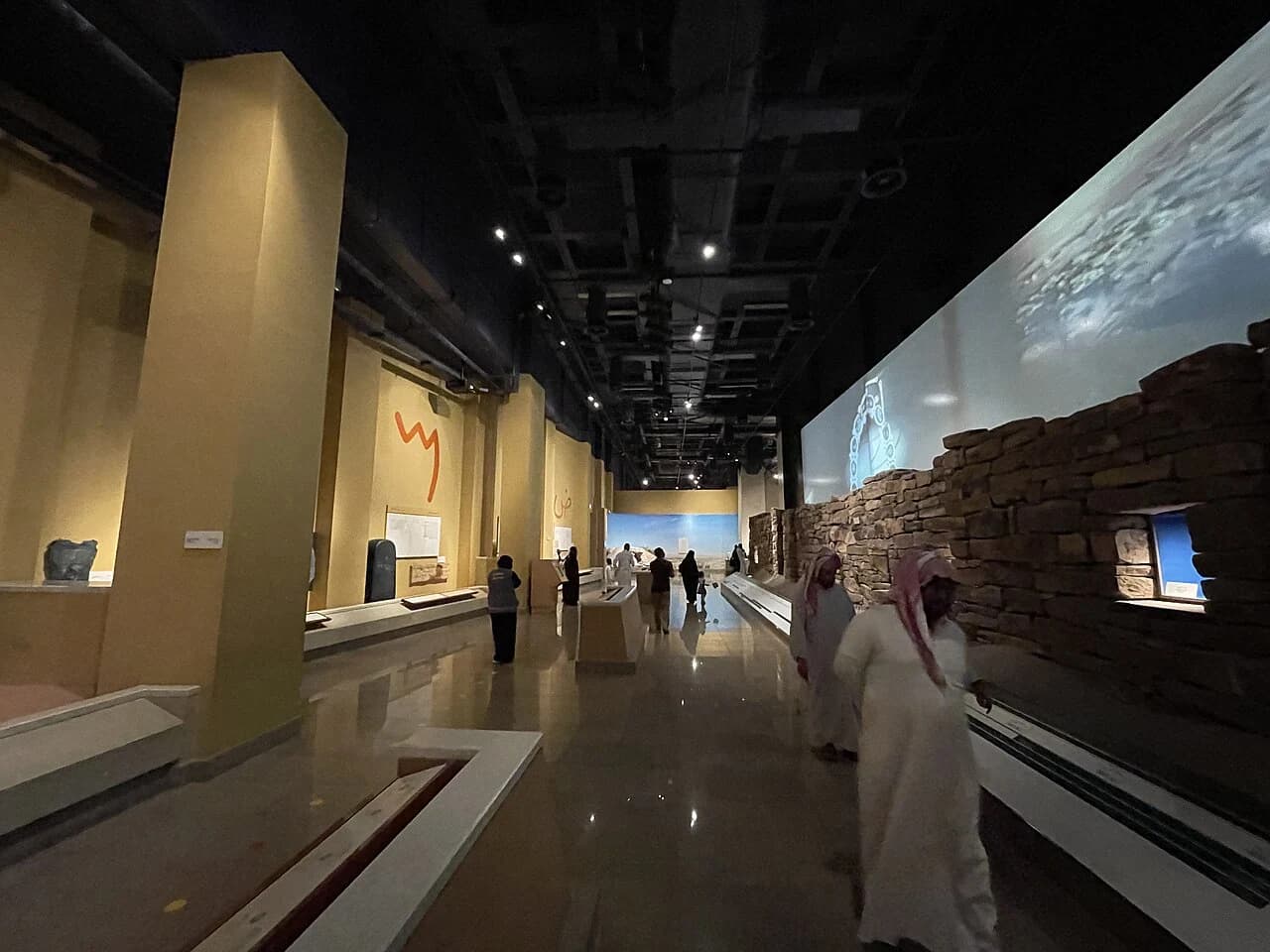 Museums and learningMuseums and institutions
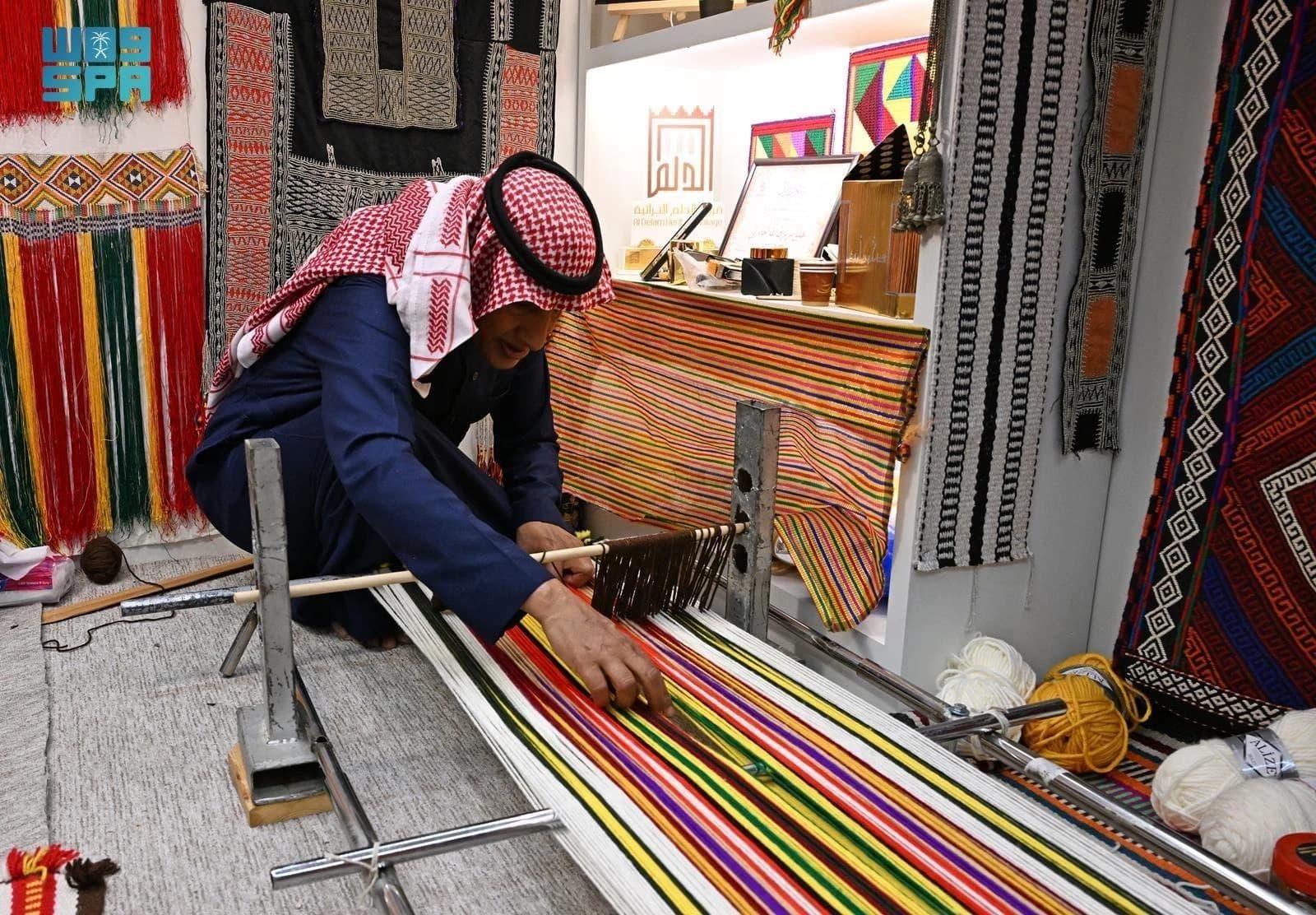 Living craftsView in the catalogue
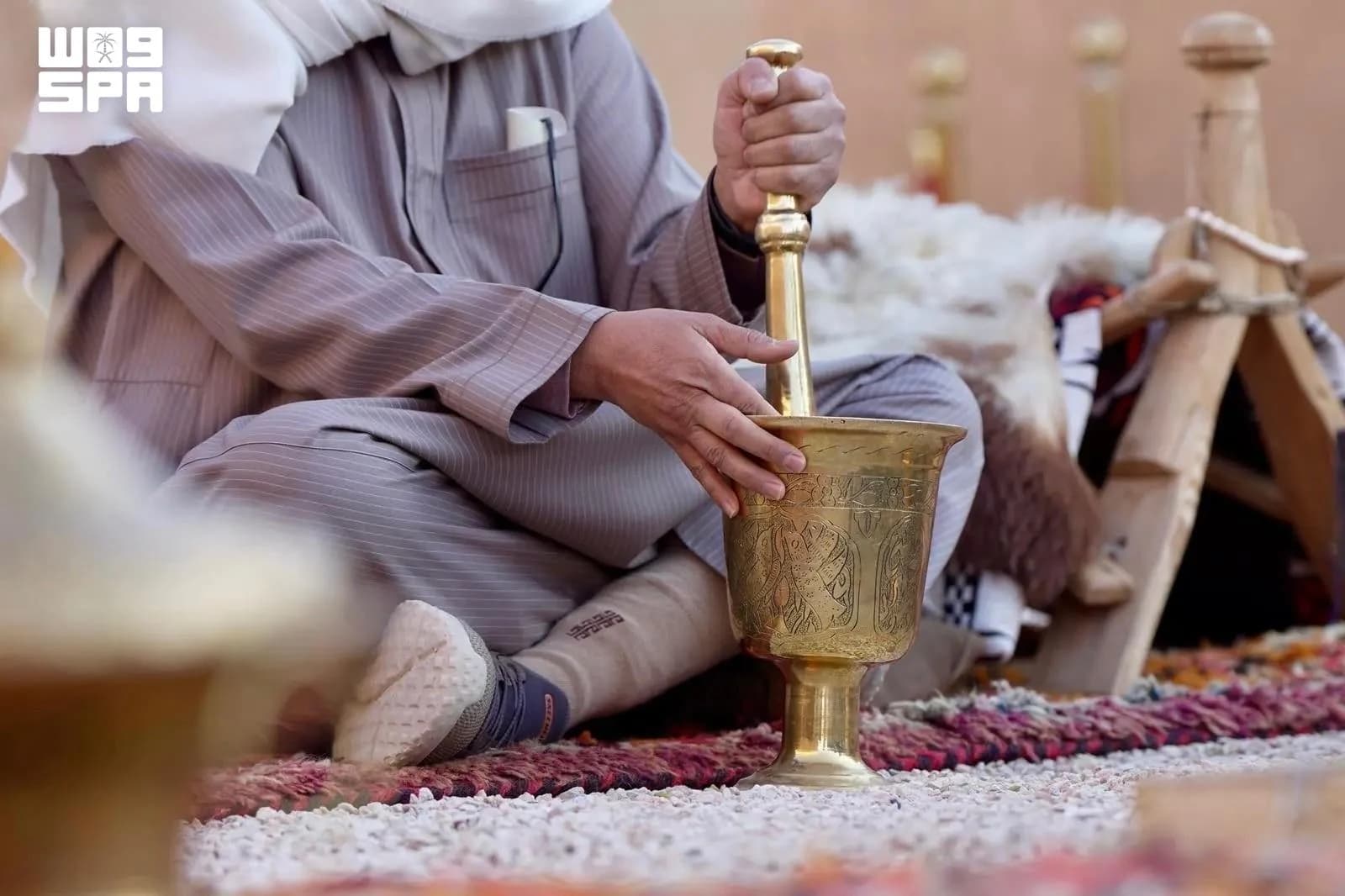 Food and hospitalityView in the catalogue
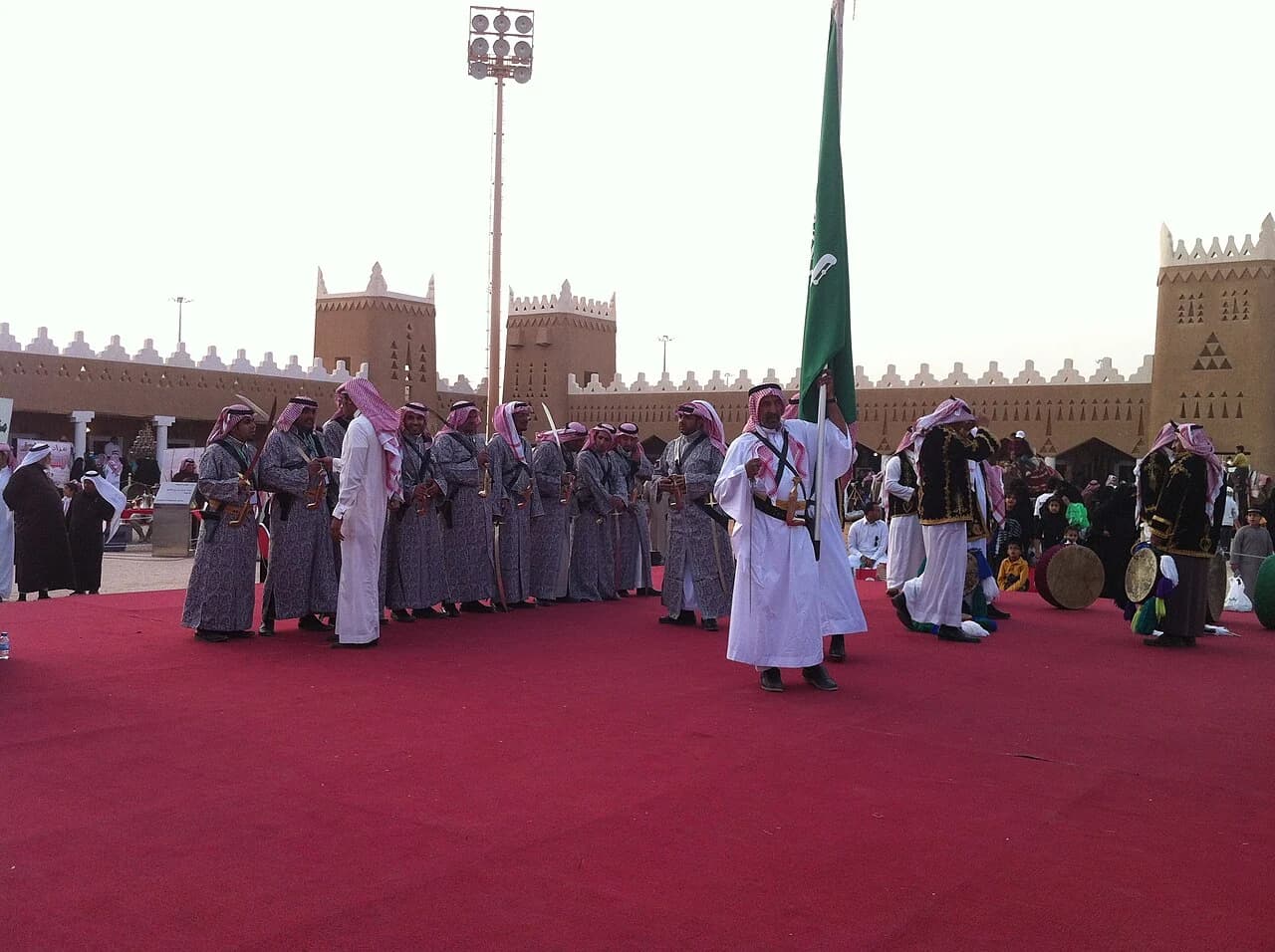 Poetry and performanceView in the catalogue
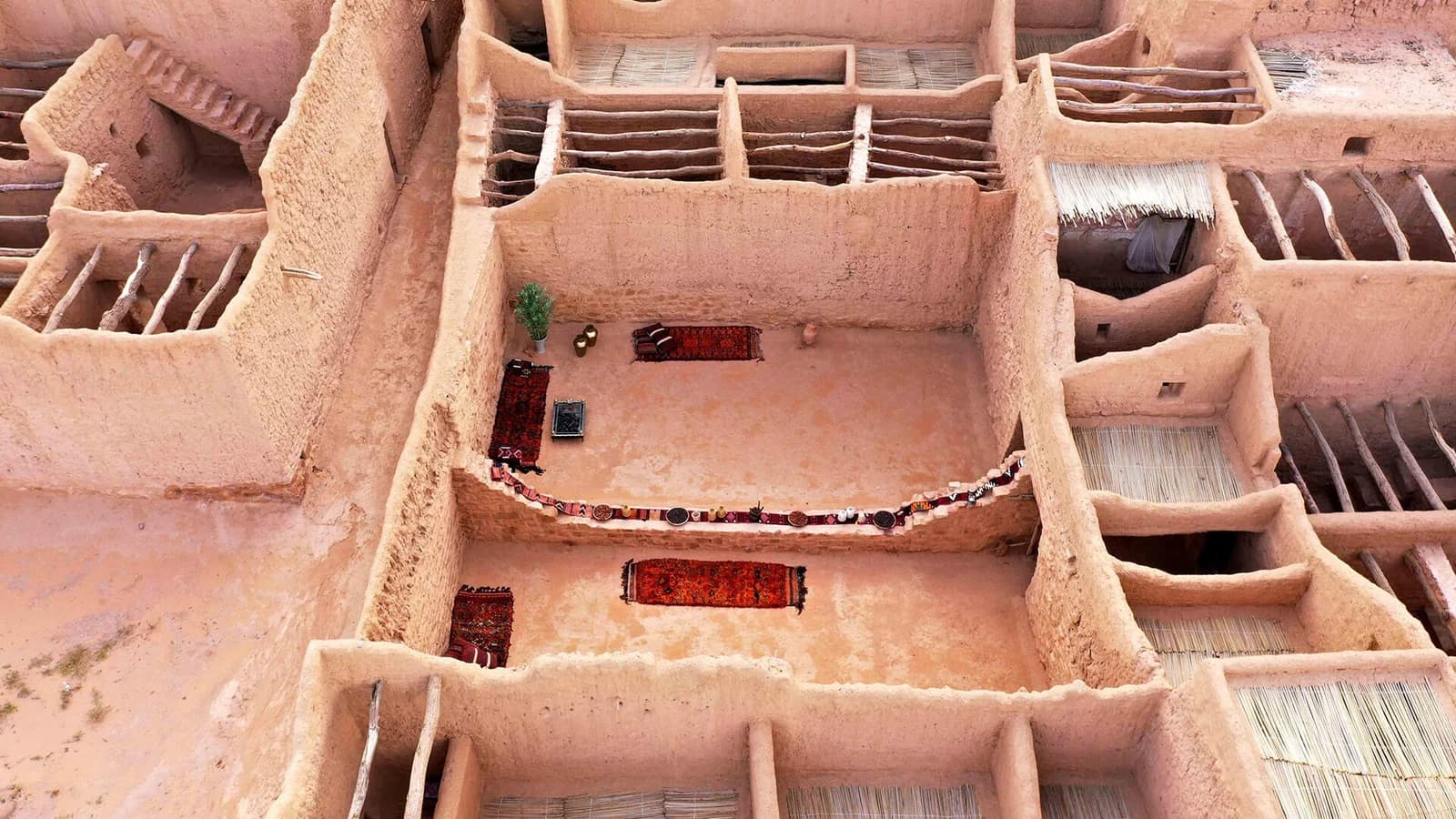 Visitor presence and impactVisitor footprint
Choose the places that interest you
Search the nationwide catalogue by region, site type, period, recognition, interest or relevant institution. Open a place for its history, significance, visual subject and planning sources.
Filters
Region
Place type
Historical period
Heritage recognition
Visitor interest
Relevant institution
40 places of 40
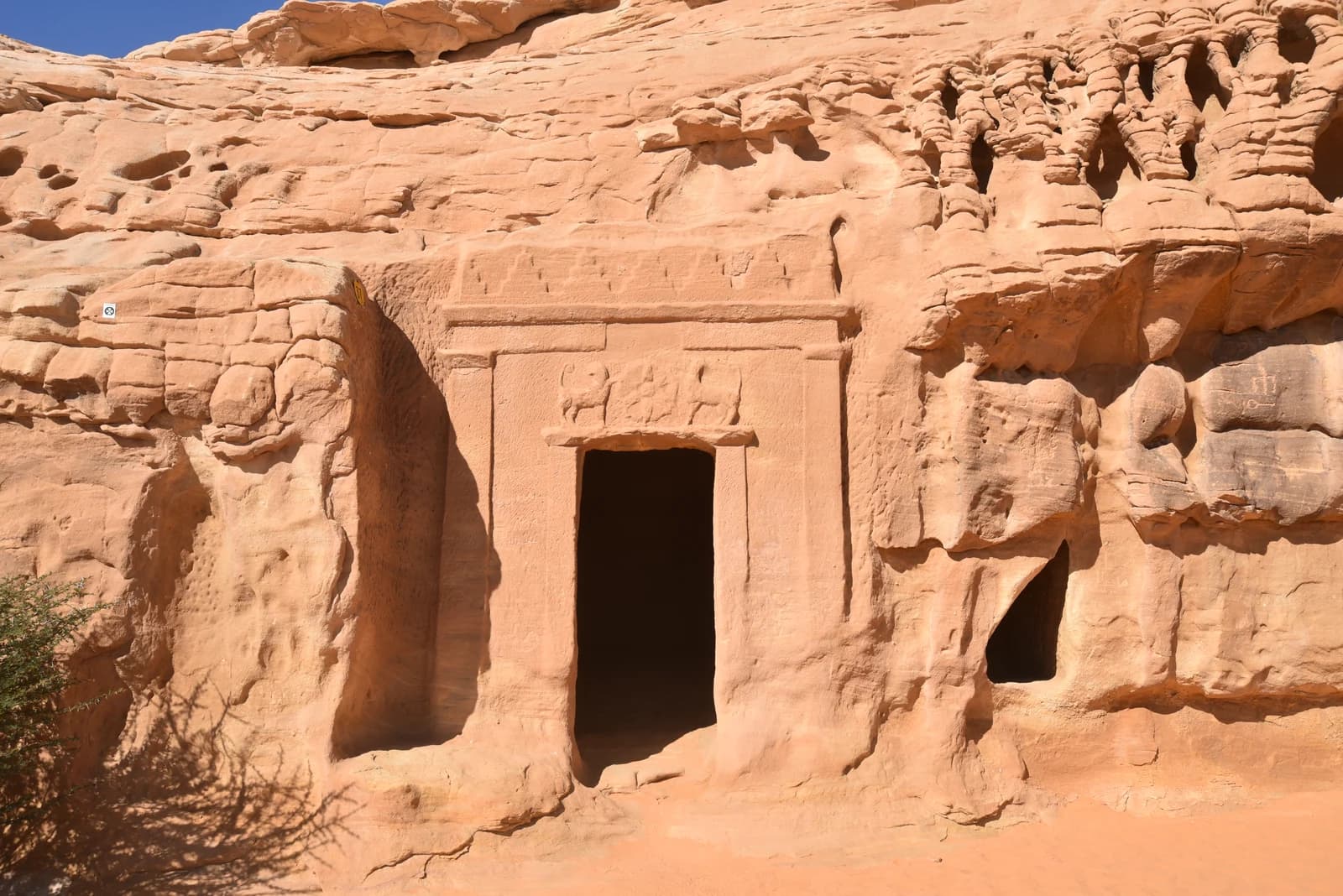
Madinah · Archaeological site
Hegra
UNESCO World Heritage — cultural
Rock-cut Nabataean tombs preserve a major chapter of ancient Arabian trade and settlement.
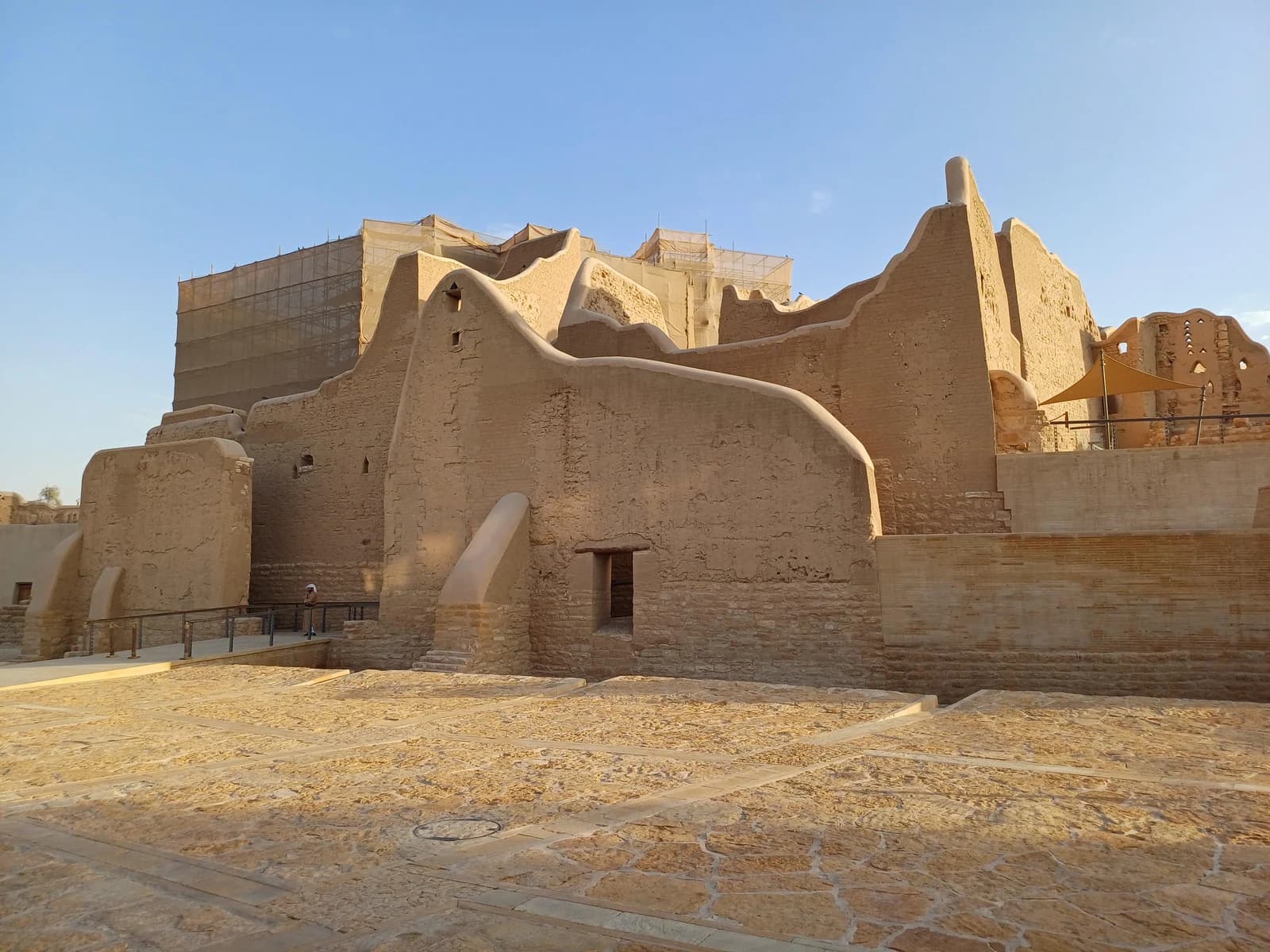
Riyadh · Historic district
At-Turaif, Diriyah
UNESCO World Heritage — cultural
Najdi earthen palaces and streets recall the political centre of the First Saudi State.
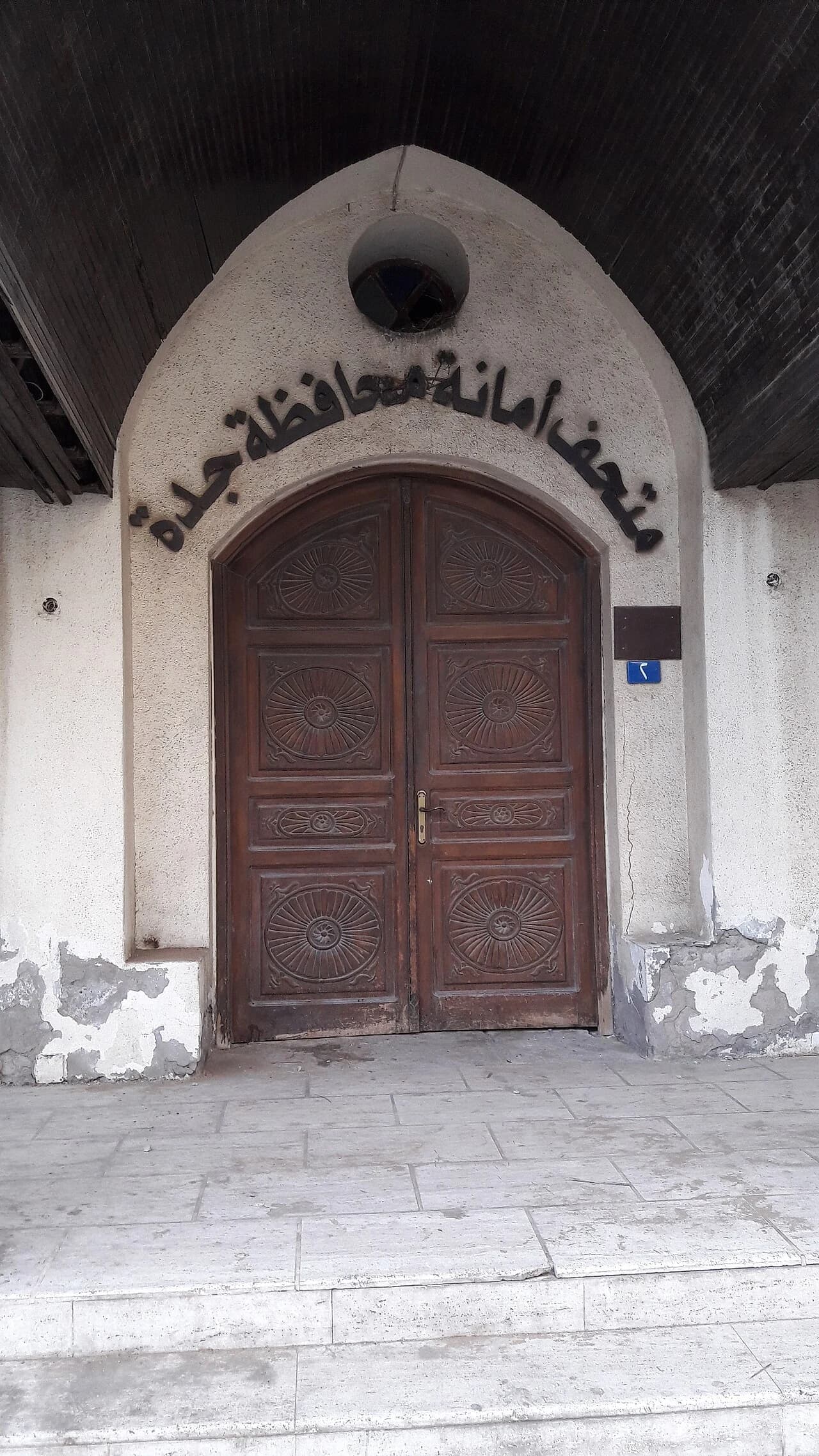
Makkah · Historic district
Historic Jeddah — Al-Balad
UNESCO World Heritage — cultural
Trade and sea-borne pilgrimage shaped a distinctive Red Sea port neighbourhood.
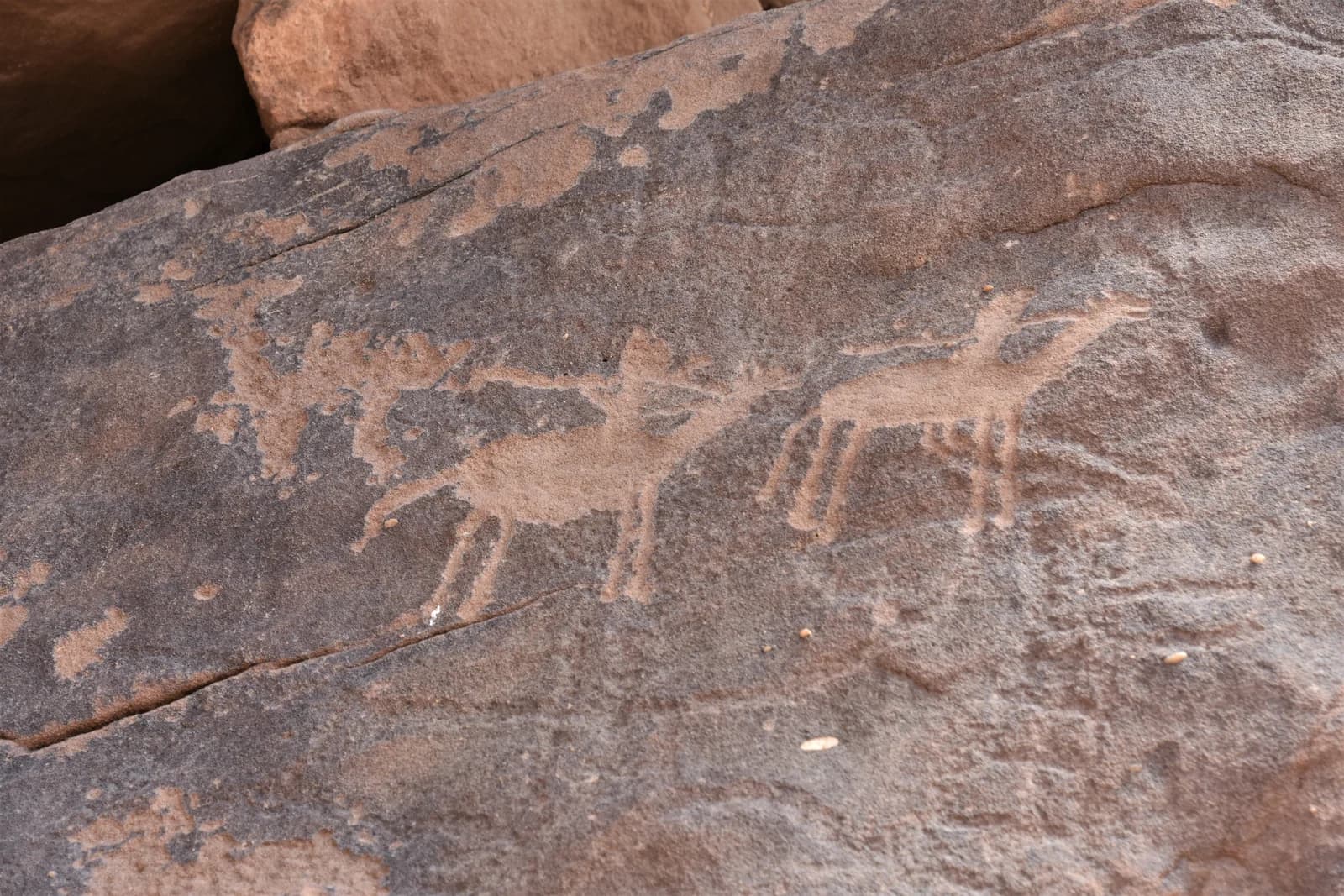
Hail · Rock art
Hail rock art — Jubbah and Shuwaymis
UNESCO World Heritage — cultural
Human and animal figures record long histories of life in changing desert landscapes.
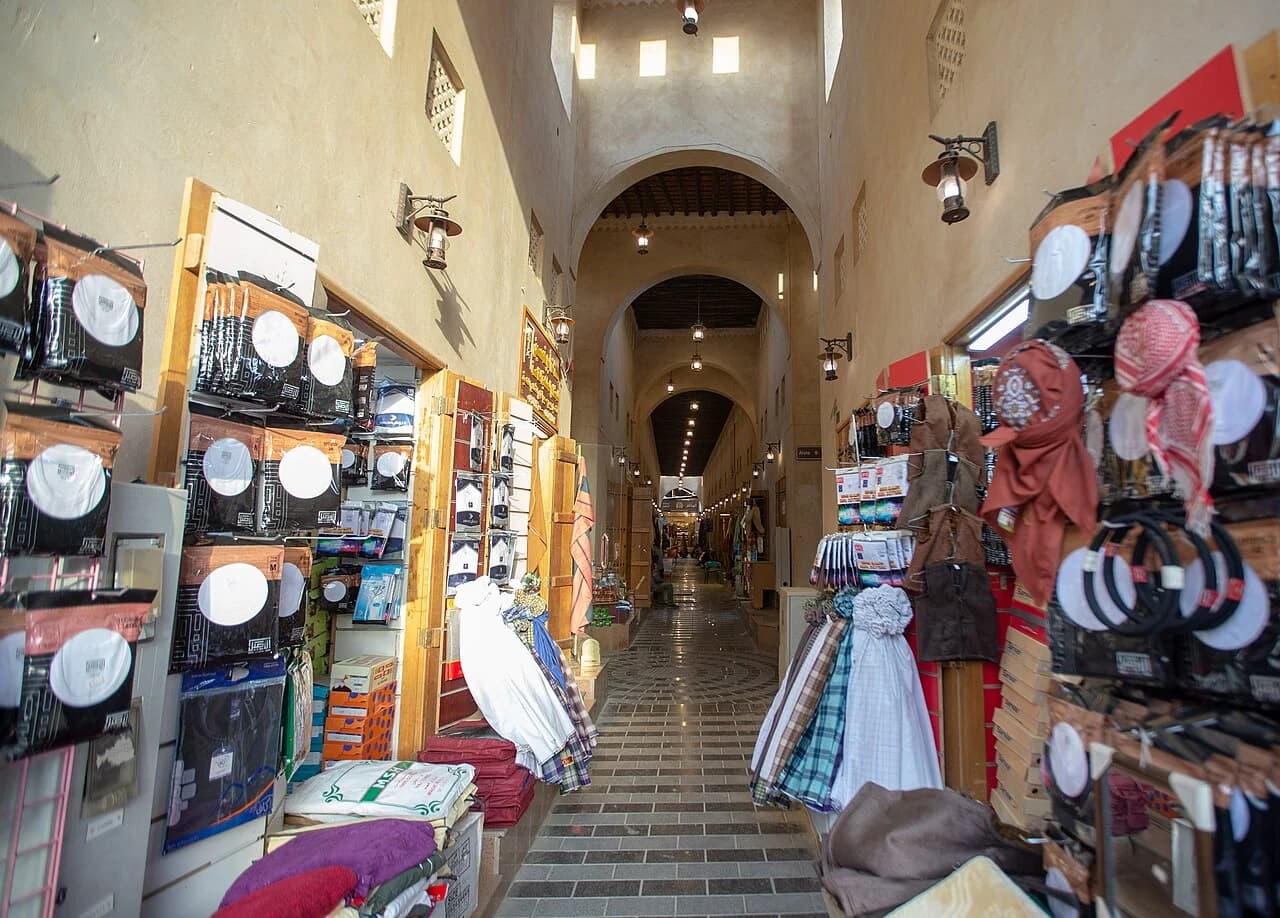
Eastern Province · Cultural landscape
Al-Ahsa Oasis
UNESCO World Heritage — cultural
Water management, cultivation and settlement together form an evolving cultural landscape.
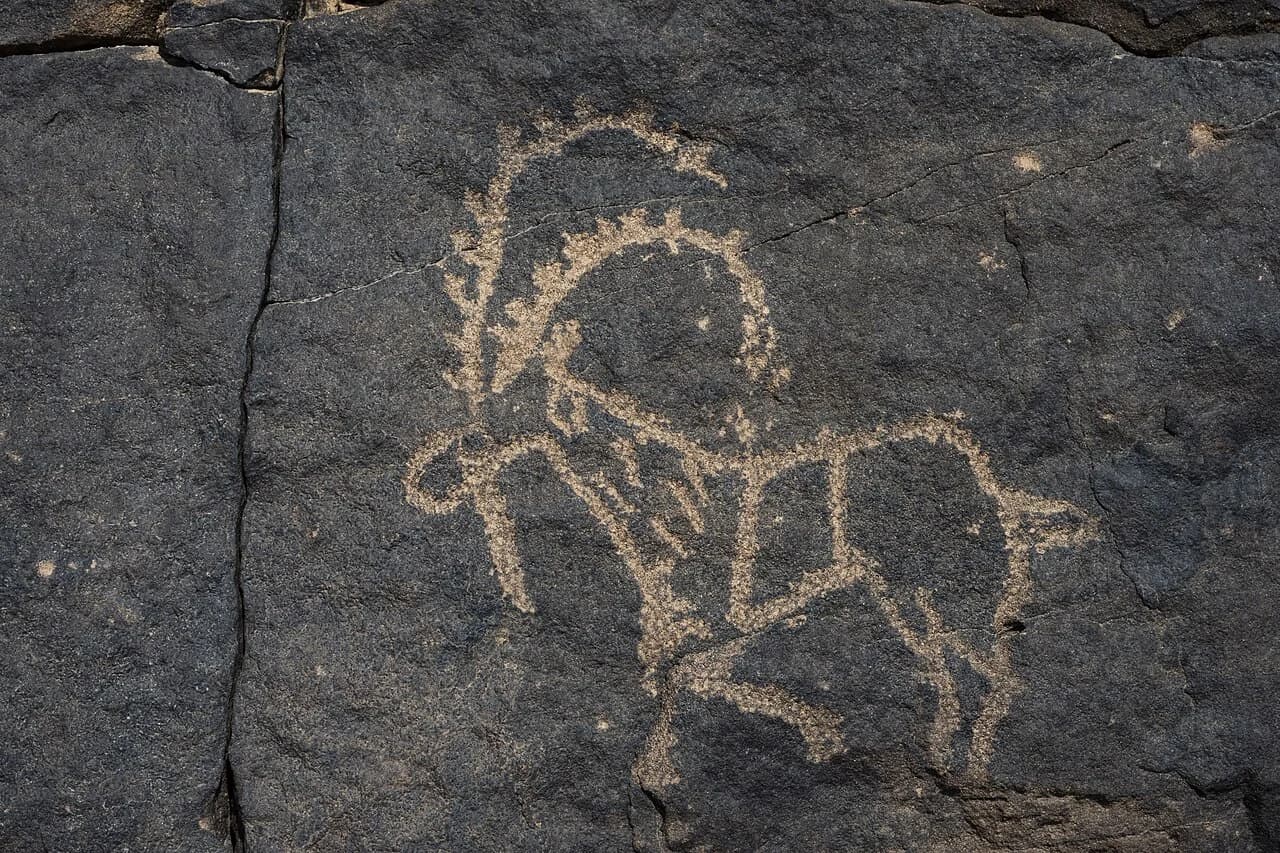
Najran · Rock art
Hima Cultural Area
UNESCO World Heritage — cultural
Inscriptions and rock imagery preserve traces of people travelling through southern Arabia.
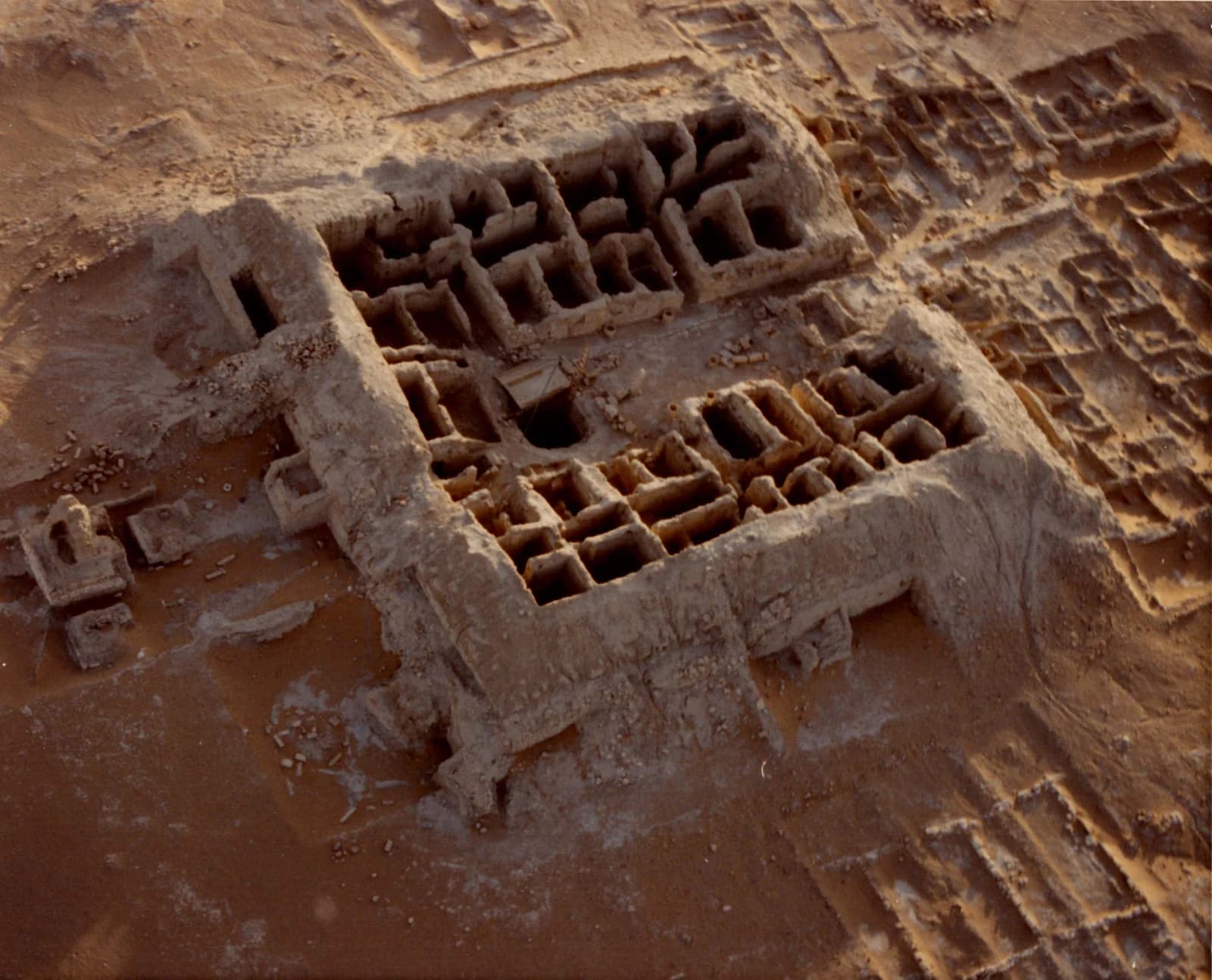
Riyadh · Archaeological site
Al-Faw Archaeological Area
UNESCO World Heritage — cultural
A desert cultural landscape preserves settlement and movement across many historical periods.
Riyadh · Fort or castle
Masmak Fort
Historic / local heritage attraction
The fort is closely associated with Riyadh’s recapture and the story of Saudi state-building.
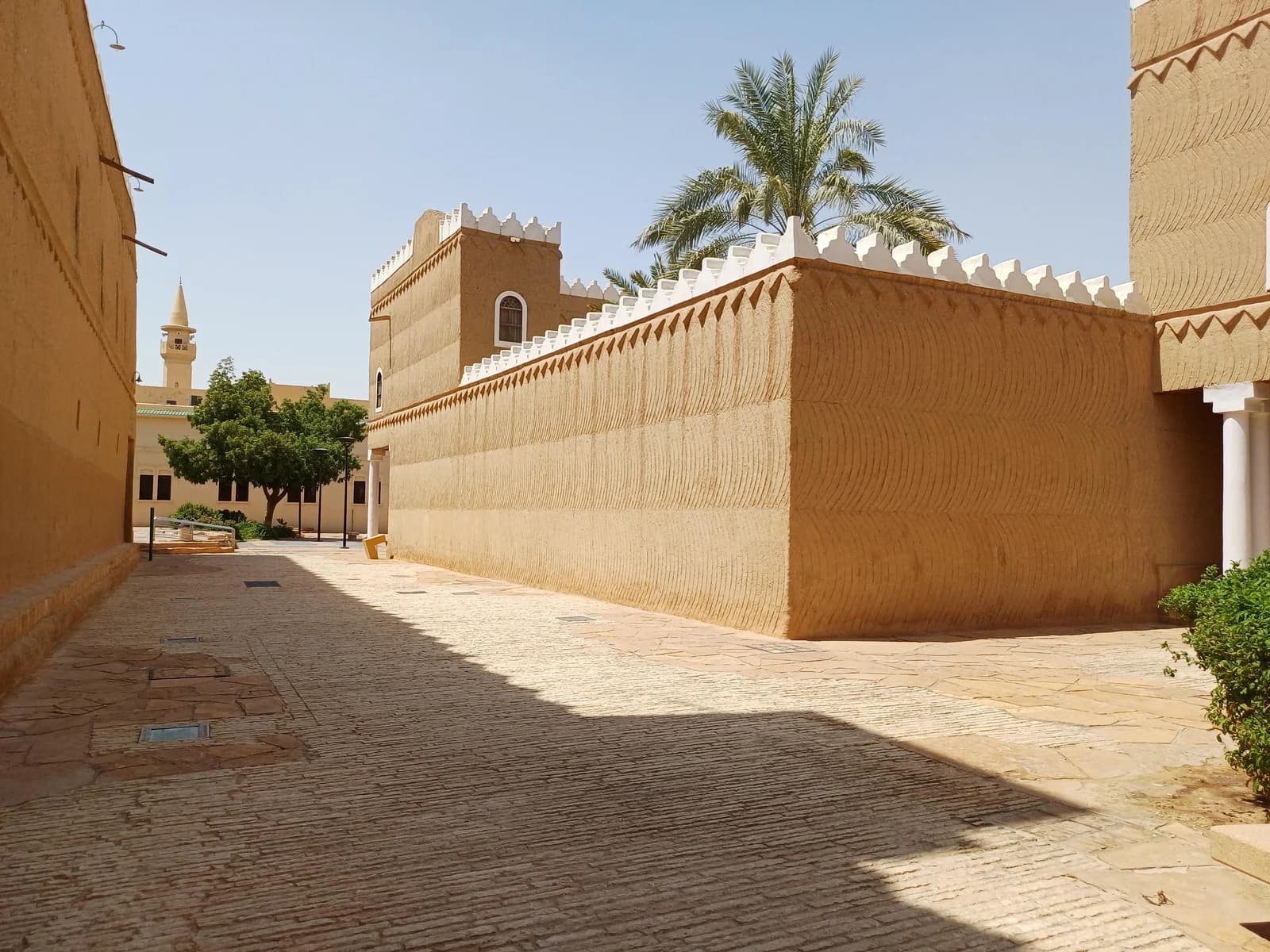
Riyadh · Palace
Murabba Palace
Historic / local heritage attraction
A royal complex reflects Riyadh’s growth beyond its older walled centre.
Seven cultural World Heritage properties
UNESCO’s Saudi register currently lists eight properties: seven cultural and one natural. The seven cultural properties are the starting point here; inscriptions do not imply every neighbouring attraction is separately listed.
Madinah · Archaeological site
Hegra
Inscribed 2008
Evidence of Nabataean craftsmanship, writing and long-distance exchange.
Riyadh · Historic district
At-Turaif, Diriyah
Inscribed 2010
A key place for understanding the First Saudi State and Najdi urban form.
Makkah · Historic district
Historic Jeddah — Al-Balad
Inscribed 2014
Shows how maritime trade and pilgrimage shaped a cosmopolitan port culture.
Hail · Rock art
Hail rock art — Jubbah and Shuwaymis
Inscribed 2015
Preserves a long visual record of humans, animals and environmental change.
Eastern Province · Cultural landscape
Al-Ahsa Oasis
Inscribed 2018
Demonstrates the sustained relationship between water, cultivation and settlement.
Najran · Rock art
Hima Cultural Area
Inscribed 2021
Records human communication and movement through southern Arabia.
Riyadh · Archaeological site
Al-Faw Archaeological Area
Inscribed 2024
Connects archaeology with a wider desert landscape and trade setting.
Natural property — context only
Natural heritage: Uruq Bani Ma’arid
Inscribed in 2023 as a natural property. It belongs to the wider Saudi World Heritage picture and should not be counted as an eighth cultural property.
Source: UNESCO — Uruq Bani Ma’arid · 15 Oct 2026
Tentative lists, the Memory of the World Register and the intangible heritage lists are distinct programmes. Rijal Almaa and Dhee Ain are tentative-list entries; Jabal Ikmah has documentary recognition.
Source: UNESCO Saudi Arabia property register · 15 Oct 2026
Mosques as places of worship and heritage
Historic mosques carry architectural, educational and community histories while continuing to serve worshippers. Their heritage interest does not remove access rules or make photography the priority.
Makkah and the Prophet’s Mosque premises have Muslim-only restrictions. Check each other mosque’s arrangements individually. For rites and Rawdah planning, use the Religious Tours guide and official Nusuk services.
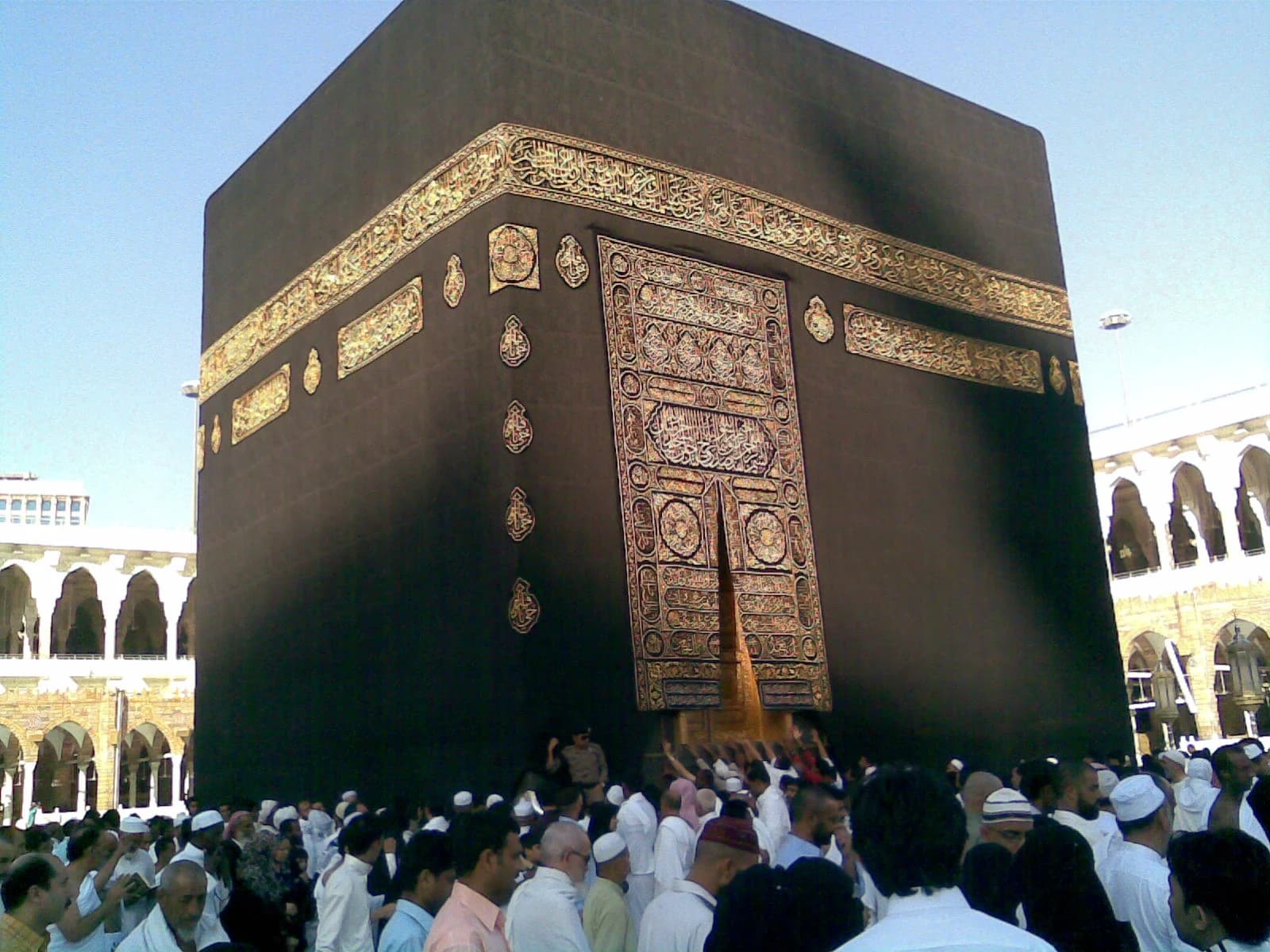
Makkah · Mosque
Al Masjid Al Haram
Muslims only
A living centre of Muslim worship and pilgrimage, with global religious importance.
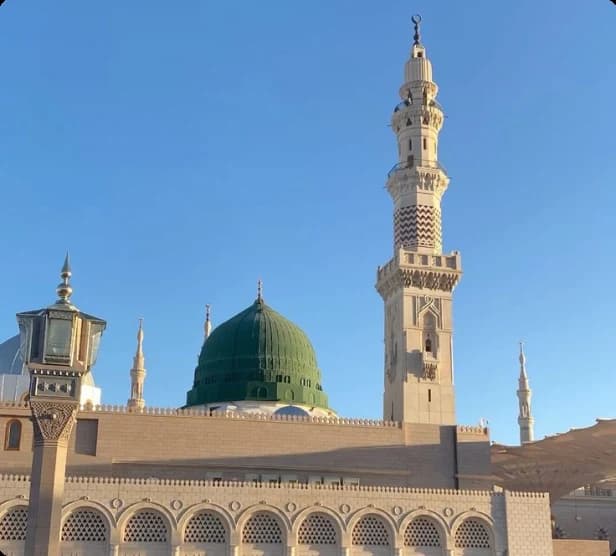
Madinah · Mosque
The Prophet’s Mosque
Muslims only
Central to Madinah’s religious memory and continuing worship.
Madinah · Mosque
Quba Mosque
Connects the city’s present worship with the beginnings of Islamic mosque history.
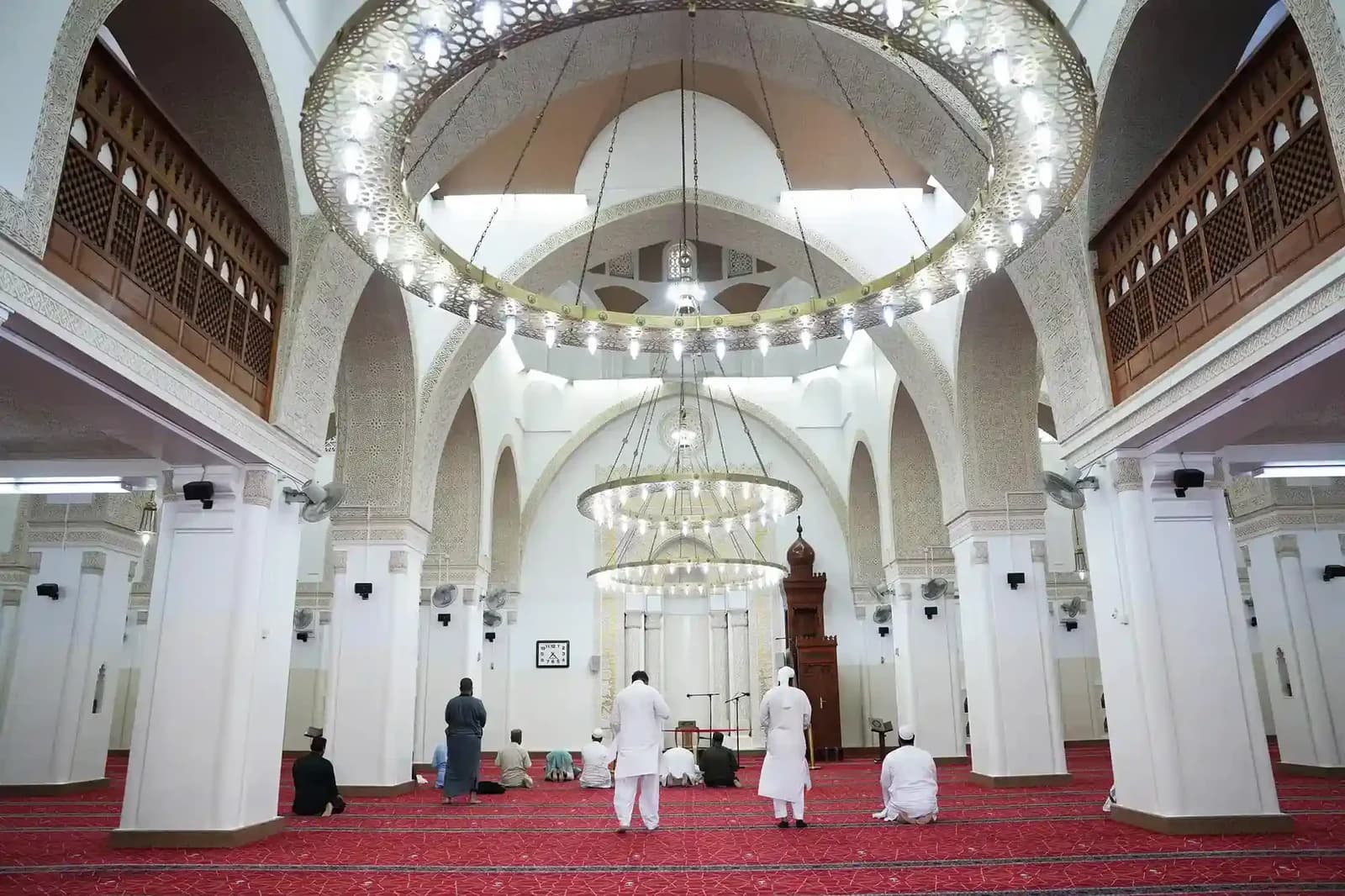
Madinah · Mosque
Al Qiblatain Mosque
A place through which visitors encounter the history of the qibla.
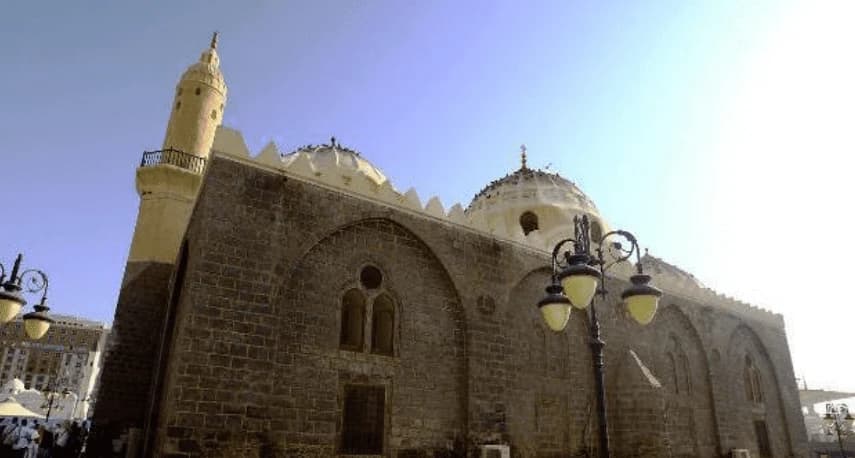
Madinah · Mosque
Al Ghamamah Mosque
Keeps historic prayer-ground traditions visible in central Madinah.
- Text and source-led entry
Makkah · Mosque
Al Shafi’i Mosque
Helps explain the religious fabric of Historic Jeddah.
- Text and source-led entry
Eastern Province · Mosque
Jawatha Mosque
An important reference for the early Islamic history of eastern Arabia.
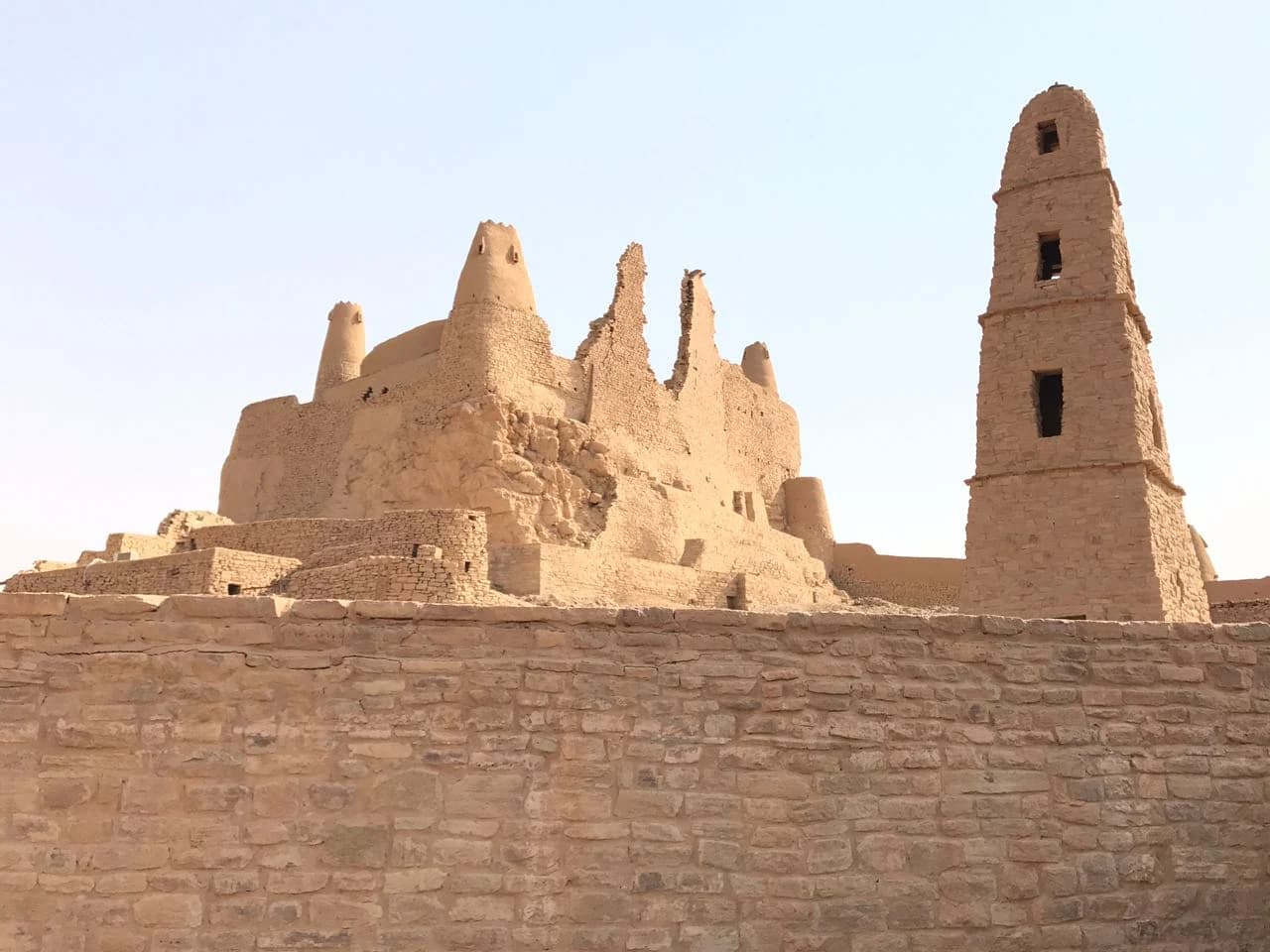
Al-Jouf · Mosque
Omar Ibn Al Khattab Mosque, Dumat Al-Jandal
A distinctive mosque and minaret within a northern historic settlement.
Source: Saudi eVisa terms · Nusuk — Makkah and Madinah · 15 Oct 2026
Planning a religious journey? See Religious ToursForts, palaces and changing uses
These buildings served different purposes: defence, royal residence, administration or military organisation. Read each building in its own period rather than treating all palaces as ancient castles. Restoration also becomes part of a place’s later history.
Riyadh · Fort or castle
Masmak Fort
An architectural landmark in the narrative of Riyadh and Saudi state formation.
Riyadh · Palace
Murabba Palace
Illustrates a later phase of royal residence and Riyadh’s development.
Al-Jouf · Fort or castle
Marid Castle
Helps reveal the continuity and changing forms of a northern settlement.
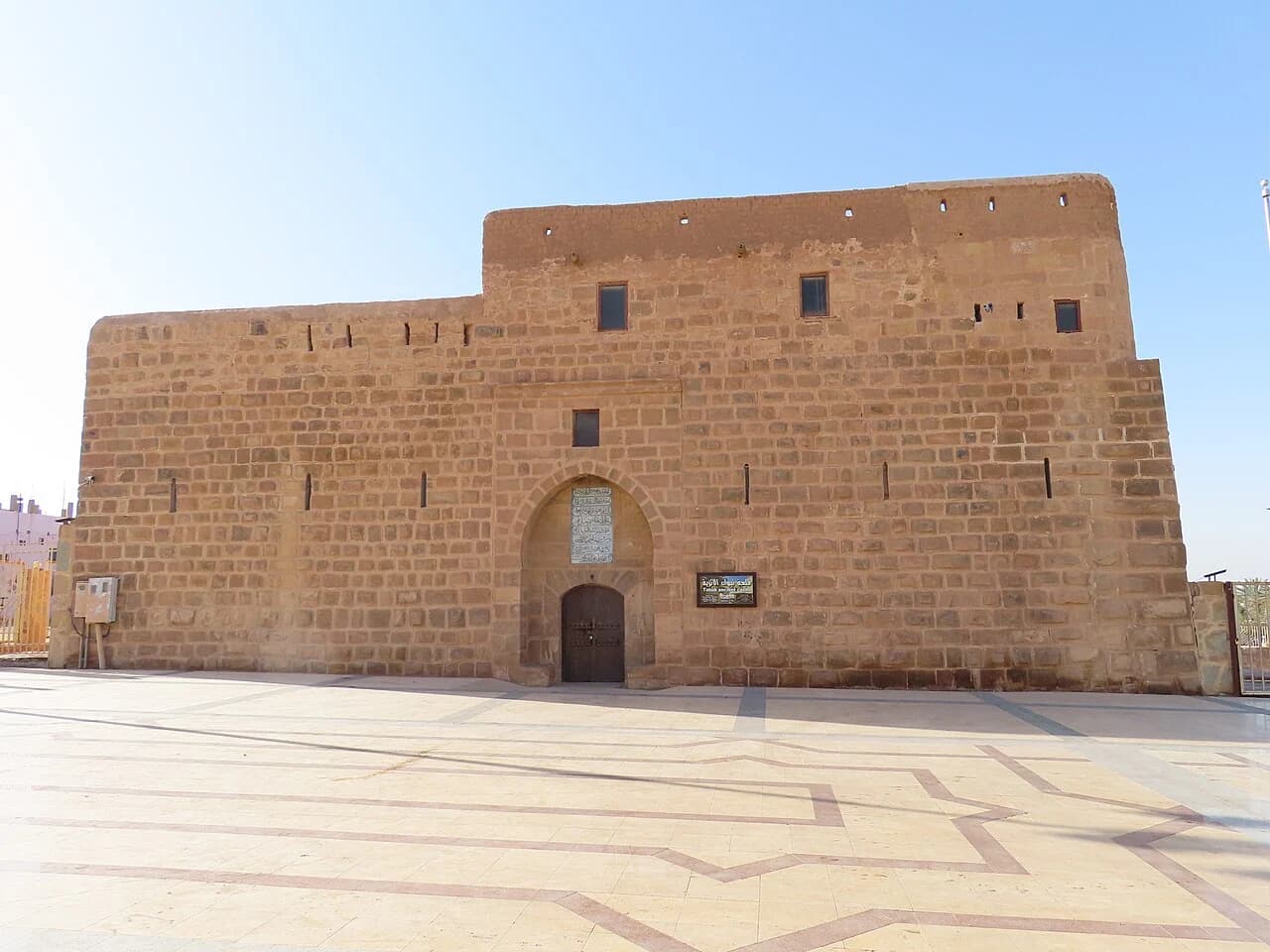
Tabuk · Fort or castle
Tabuk Castle
Links a fortified urban place to the history of regional pilgrimage routes.
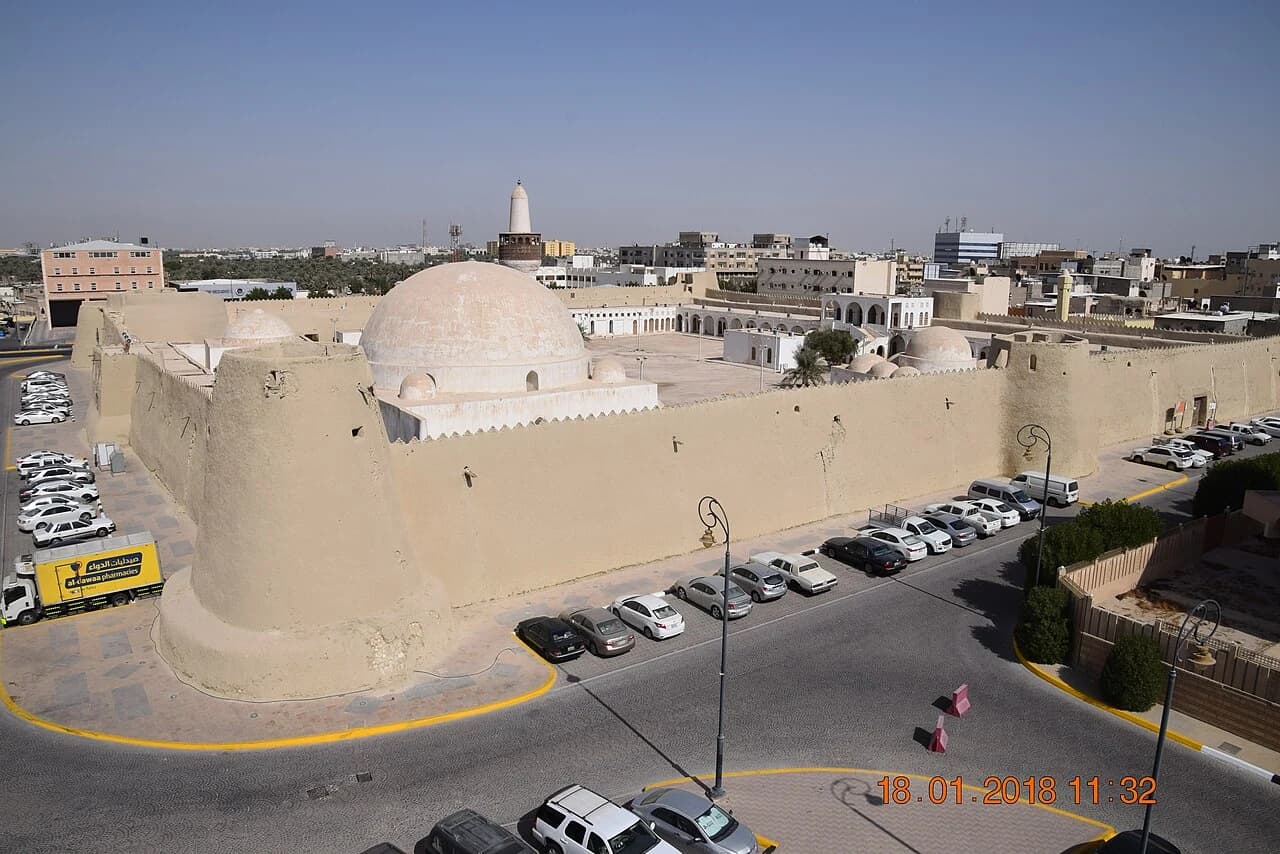
Hail · Fort or castle
Qishlah Palace
Documents military planning and traditional construction in the Saudi era.
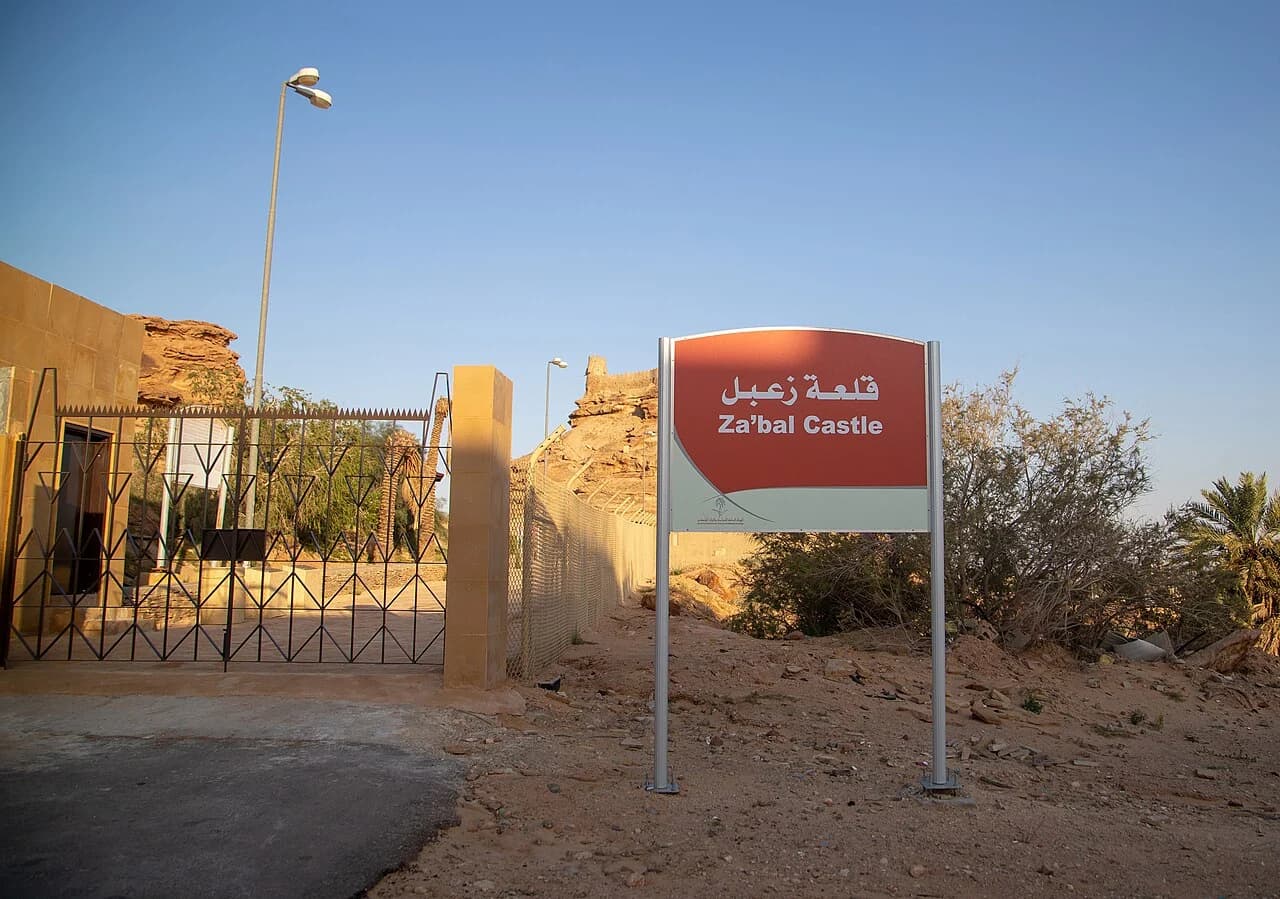
Al-Jouf · Fort or castle
Zaabal Castle
Part of Sakaka’s landscape of defence and historic settlement.
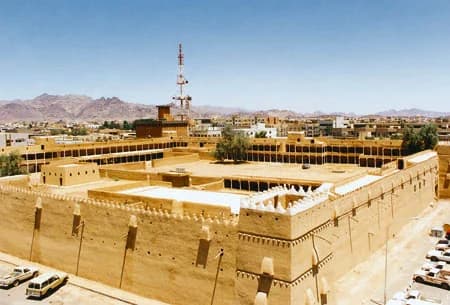
Eastern Province · Palace
Ibrahim Palace
Connects defensive architecture with Al-Hofuf’s urban and administrative history.
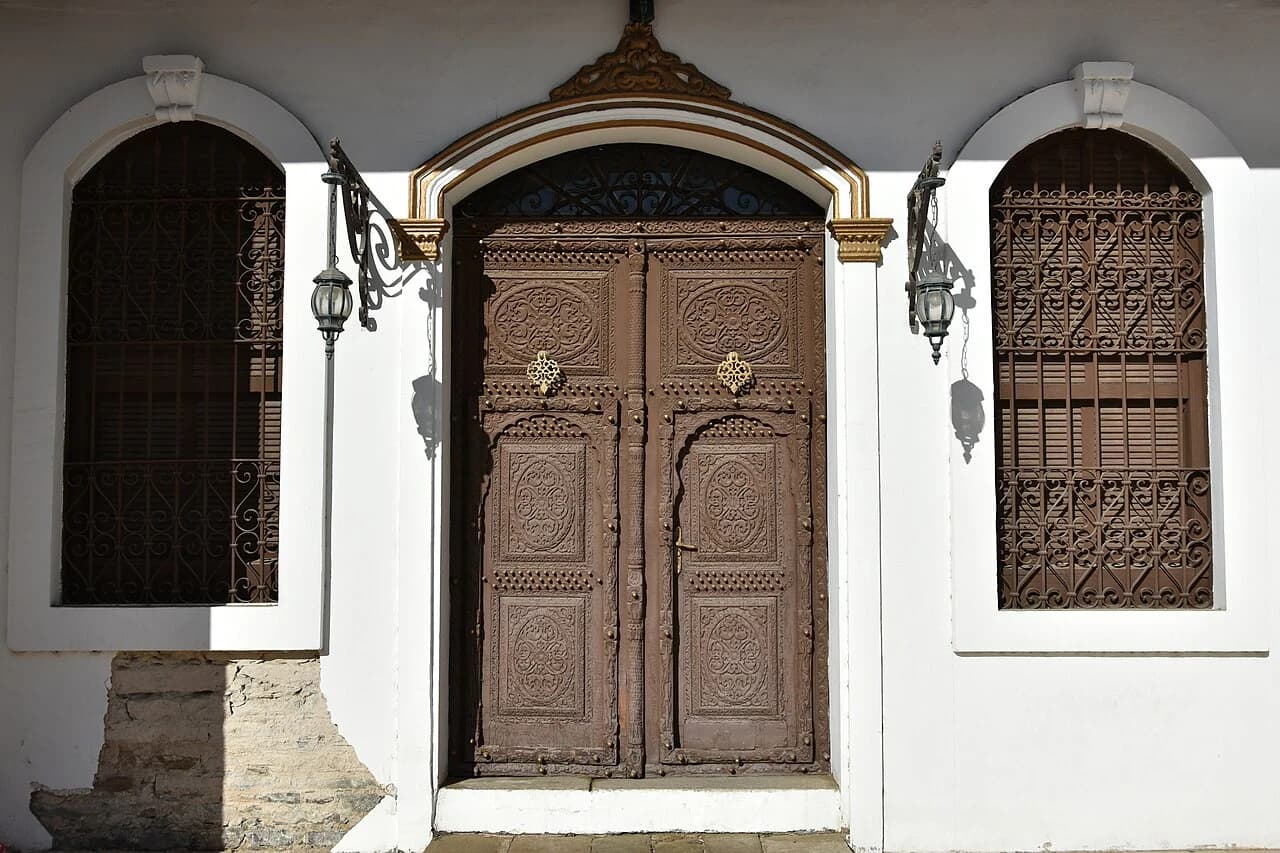
Makkah · Palace
Shubra Palace
Shows Taif’s royal associations and distinctive decorative architecture.
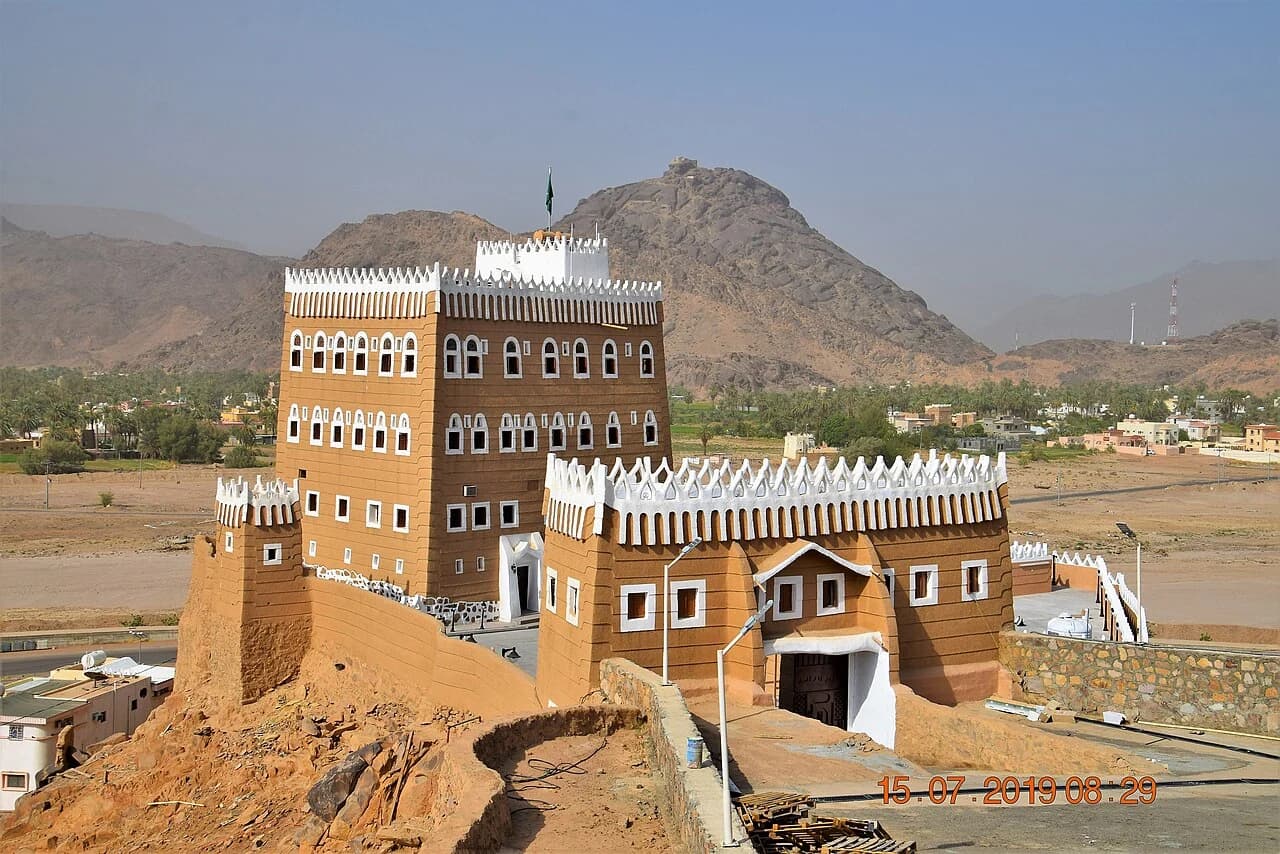
Najran · Palace
Al-Aan Palace
A visible expression of Najran’s earthen domestic building tradition.
- Text and source-led entry
Northern Borders · Palace
Historic Lina and King Abdulaziz Palace
Adds Northern Borders heritage to a nationwide cultural itinerary.
Source: Saudipedia — Saudi palaces and castles · 15 Oct 2026
Museums connect objects with context
A gallery can help you understand the landscapes, inscriptions and buildings you see outside it. The Saudi National Museum offers themed historical interpretation; Ithra combines heritage with learning and contemporary cultural programmes. Private and community collections add local perspectives.
Riyadh · Museum / heritage infrastructure
Saudi National Museum
Provides historical context for objects, sites and the Kingdom’s development.
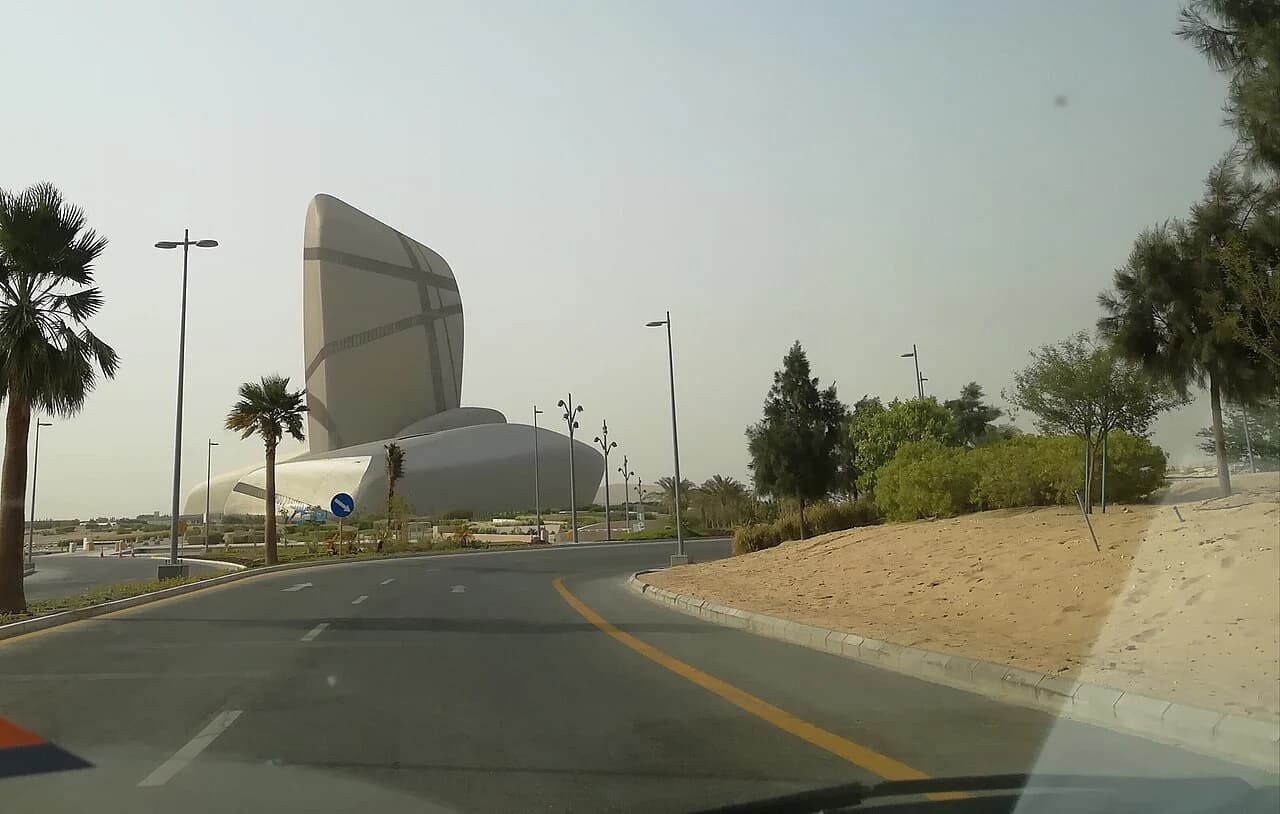
Eastern Province · Cultural centre
Ithra — King Abdulaziz Center for World Culture
Connects heritage with contemporary creativity, education and cultural production.
- Text and source-led entry
Madinah · Museum / heritage infrastructure
Historic Hijaz Railway Station, Madinah
Recalls the role of transport infrastructure in pilgrimage and regional connections.
Source: Saudi National Museum · Ithra — institution and handicrafts · 15 Oct 2026
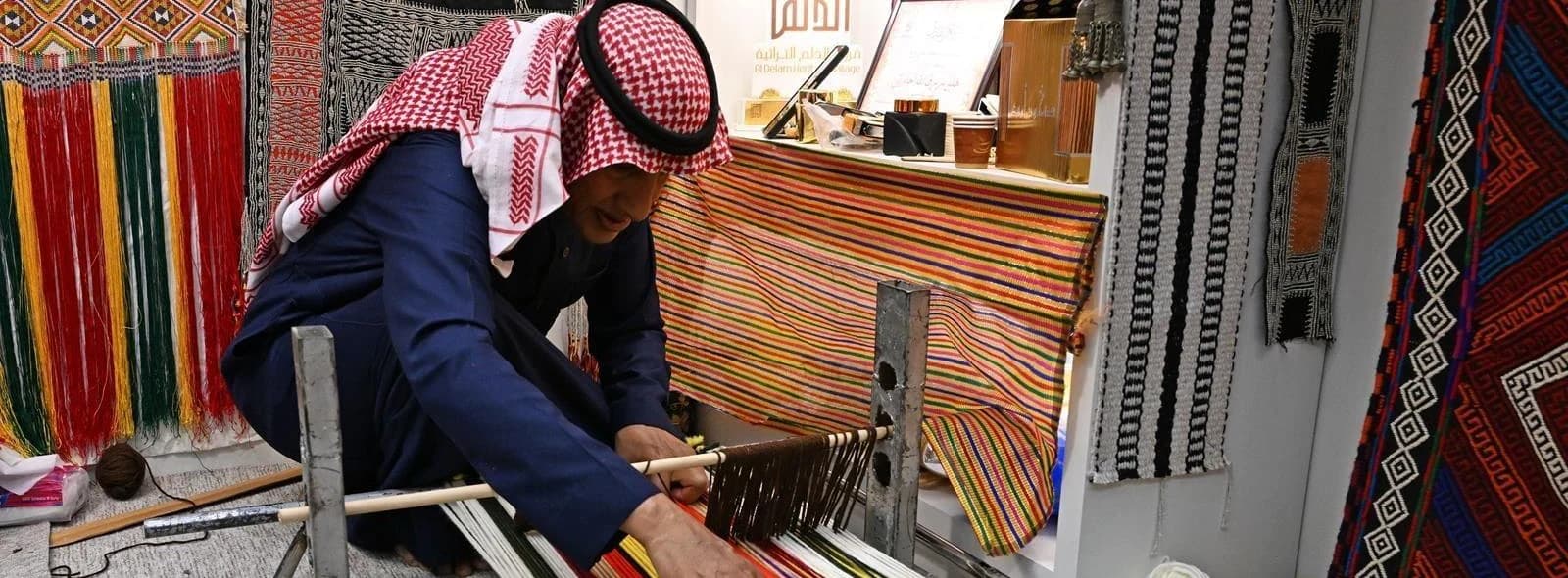
Culture lives through people
Explore traditions through the people who practise them. A woven textile, a cup of coffee or a performance can reveal learned skills, social relationships and regional identities. Choose respectful programmes that recognise practitioners and allow fair payment for their work.
Photo credit: Saudi Press Agency · Used with the source’s permission · Photograph date: Capture date not supplied · Image source page
Regional identities shape the experience
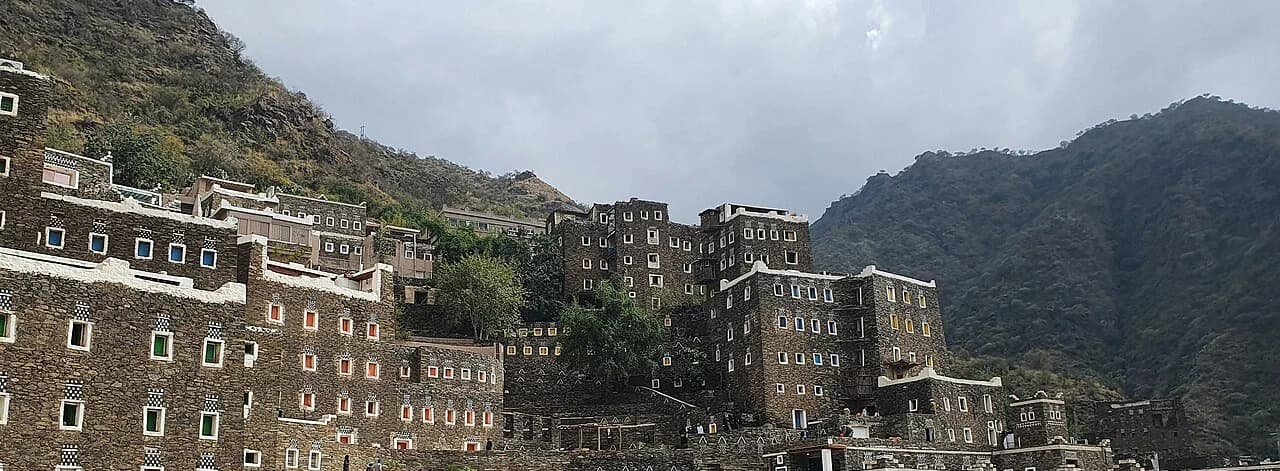
Najdi earthen architecture, Hijazi port-city traditions, southern stone and earth houses, Gulf oasis life and northern trade routes offer different windows into Saudi culture. These themes help orientation without reducing any region to one fixed identity.
Photo credit: Richard Mortel · CC BY 2.0 · Photograph date: 9 Jan 2021 · Image source page
A layered history, not one starting point
The modern Kingdom sits within much longer histories of settlement, trade, language and religion. The timeline offers orientation, while individual sites retain their own evidence and dates.
- 1
Prehistory
People and changing environments
Rock art and archaeological landscapes preserve long records of people, animals and movement.
Source: UNESCO — Hail rock art · 15 Oct 2026
- 2
Ancient Arabia
Trade, kingdoms and writing
Hegra, Dadan and inscriptions at Ikmah show different chapters of settlement and communication.
- 3
Islamic periods
Mosques, pilgrimage and exchange
Religious centres and pilgrimage routes connected towns, ports and communities.
- 4
1727 and the Saudi states
Diriyah and the growth of state institutions
At-Turaif was the seat of the First Saudi State; its earthen architecture remains central to this story.
Source: Diriyah — At-Turaif visitor information · 15 Oct 2026
- 5
23 September 1932
The Kingdom of Saudi Arabia
The modern state was named the Kingdom of Saudi Arabia; National Day marks this date.
Source: Saudi National Platform — Kingdom history · 15 Oct 2026
- 6
The present
Conservation and contemporary creativity
Research, restoration, museums and living practitioners connect inherited knowledge with new expression.
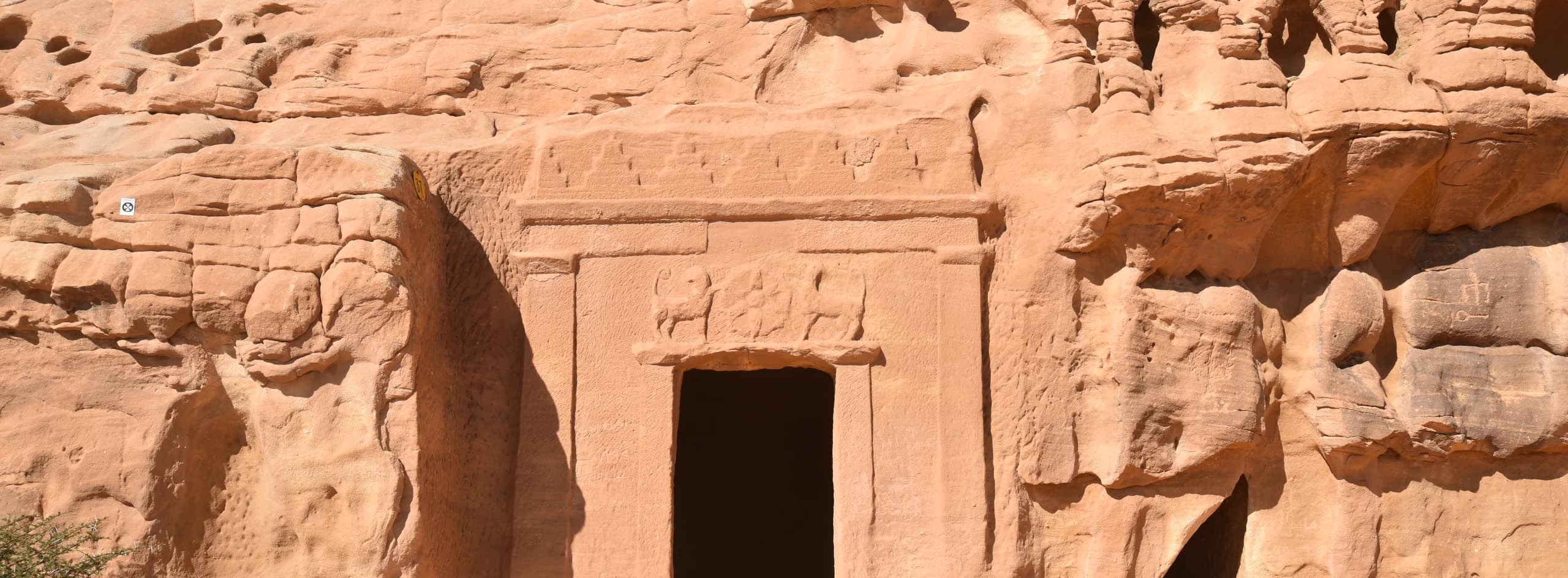
Photo credit: Following Hadrian · CC BY-SA 2.0 · Photograph date: 12 February 2024, 14:07:33 · Image source page
Who safeguards, interprets and supports culture?
Different bodies have different roles. Sector commissions support cultural fields, destination bodies provide local programmes, museums interpret collections, and communities carry practice and memory. An institution’s relevance is not proof that it owns every listed place.
- Government ministry2
- Cultural commission11
- Government authority1
- Royal commission1
- Development / visitor company1
- Public traditional-arts institute1
- Public research institution1
- Public museum1
- Corporate cultural institution1
- International organisation1
- Non-governmental organisation1
- Government visitor service1
- Community / practitioners1
- 24 institutions and groups — Show these in the catalogue
Visitor presence and responsible impact
Use published figures with their dates and scope. Responsible visiting also means protecting fragile surfaces, respecting residents and supporting the people who keep heritage skills alive.
Published visitor totals help describe demand, but scope and counting methods matter. These three records cannot be added together or used as a popularity ranking.
AlUla destination
286,259
reported visitors
- Reporting period:
- Calendar year 2024
- Reporting scope:
- AlUla destination
- Method and limitations:
- Count as reported by RCU; not a Hegra admission count.
Source: RCU 2024 sustainability report · 15 Oct 2026
Historic Jeddah during Ramadan
More than 2,000,000
reported visitors
- Reporting period:
- First half of Ramadan 2026
- Reporting scope:
- Historic Jeddah during Ramadan
- Method and limitations:
- More than two million over an event period; repeat-visit methodology not supplied.
Source: SPA — Historic Jeddah Ramadan 2026 visitors · 15 Oct 2026
At-Turaif operator page
1,000,000+
annual visitors claimed by operator
- Reporting period:
- Annual indicator; reference year not provided
- Reporting scope:
- At-Turaif operator page
- Method and limitations:
- Operator headline; no calendar year or counting method stated.
Source: Diriyah — At-Turaif visitor information · 15 Oct 2026
Different scopes — not a ranking. These three records use different scopes and periods. They are not added together and do not rank places. No verified comparable site count supplied.
Visiting responsibly
- Use designated paths and avoid touching rock art or fragile plasterwork.
- Respect residents, ask before photographs and buy fairly from local practitioners.
- Choose confirmed tours and appropriate group sizes rather than guessing site capacity.
- Use the official booking calendar for availability; historic attendance is not a crowd forecast.
Suggested journeys
Start with one region, choose the stories that interest you and leave room for local interpretation.
Riyadh
Riyadh: museums and state history
Editorial suggestion — not a booked package
- 1Begin with the National Museum and a chosen gallery theme.
- 2Add Murabba or Masmak according to current access and transfer time.
- 3Keep Diriyah for a separate visit if the day becomes rushed.
Places on this route
Confirm access, transfers and bookings. These are flexible planning ideas, not operating schedules or ritual programmes.
Riyadh
Diriyah: architecture and interpretation
Editorial suggestion — not a booked package
- 1Book or confirm the currently required At-Turaif access arrangement.
- 2Use the audio guide or an interpreted walk.
- 3Leave time for individual galleries and rest.
Places on this route
Confirm access, transfers and bookings. These are flexible planning ideas, not operating schedules or ritual programmes.
Makkah
Historic Jeddah: streets, houses and worship
Editorial suggestion — not a booked package
- 1Choose an official or locally knowledgeable interpretation route.
- 2Explore selected houses and market streets; confirm interior access.
- 3Keep mosque visits respectful and separate from commercial sightseeing.
Places on this route
Confirm access, transfers and bookings. These are flexible planning ideas, not operating schedules or ritual programmes.
Madinah
AlUla: two days of archaeological context
Editorial suggestion — not a booked package
- 1Choose a confirmed Hegra visit for the first day.
- 2On another day, book Dadan and Ikmah through the available official route.
- 3Add Old Town and the oasis at a pace your group can manage.
Places on this route
Confirm access, transfers and bookings. These are flexible planning ideas, not operating schedules or ritual programmes.
Eastern Province
Al-Ahsa: landscape, palace and market
Editorial suggestion — not a booked package
- 1Choose which designated heritage components fit your available time.
- 2Confirm Ibrahim Palace access and a market walk.
- 3Arrange a local craft or food experience separately if available.
Places on this route
Confirm access, transfers and bookings. These are flexible planning ideas, not operating schedules or ritual programmes.
Asir
Southern villages: choose one regional base
Editorial suggestion — not a booked package
- 1Use Rijal Almaa as an Asir-focused visit with local interpretation.
- 2For Dhee Ain, plan a separate Al-Baha stay rather than assuming a nearby transfer.
- 3Confirm hill walking, steps and the availability of craft programmes.
Places on this route
Confirm access, transfers and bookings. These are flexible planning ideas, not operating schedules or ritual programmes.
Al-Jouf
Northern heritage: Al-Jouf with time to learn
Editorial suggestion — not a booked package
- 1Explore Marid and its surrounding historic context.
- 2Confirm the separate mosque entry and interpretation arrangements.
- 3Use a separate, planned excursion for Rajajil or Sakaka’s fort heritage.
Places on this route
Confirm access, transfers and bookings. These are flexible planning ideas, not operating schedules or ritual programmes.
Madinah
Madinah: faith and architectural heritage
Editorial suggestion — not a booked package
- 1Begin with your worship and current visit arrangements.
- 2Choose Quba, Qiblatain or Ghamamah to fit the available time.
- 3Use the Religious Tours guide for permits and any Rawdah planning.
Places on this route
Confirm access, transfers and bookings. These are flexible planning ideas, not operating schedules or ritual programmes.
Before you visit
- Confirm the exact site, current opening and whether a booking or guide is required.
- Check walking surfaces, steps, shade and assistance with the operator.
- Plan fewer stops when your group needs more rest or time for interpretation.
- Respect worship, private homes and local photography rules.
- Recheck exhibitions and festivals; an old programme is not a current booking offer.
Frequently asked questions
Are all heritage sites UNESCO-listed?
No. World Heritage properties, tentative-list entries, documentary registers and local heritage places have different statuses.
Is culture only traditional clothing and buildings?
Culture also includes language, shared values, skills, food, arts and everyday community life.
Do the visitor totals show today’s crowds?
No. Historic figures have defined reporting periods and do not provide live crowd predictions.
Can every mosque be visited in the same way?
No. Check each mosque’s rules, worship arrangements and any access restrictions.
Does the listed institution own the place?
Not necessarily. The directory distinguishes relevant remits and information sources from verified operating relationships.
Can I book through this page?
Use the linked operator or official service. This page provides discovery and planning.
Official references and photo credits
Research sources (56)
- UNESCO Saudi Arabia property registerChecked: 15 Oct 2026
- UNESCO — HegraChecked: 15 Oct 2026
- UNESCO — At-TuraifChecked: 15 Oct 2026
- UNESCO — Historic JeddahChecked: 15 Oct 2026
- UNESCO — Hail rock artChecked: 15 Oct 2026
- UNESCO — Al-Ahsa OasisChecked: 15 Oct 2026
- UNESCO — Hima Cultural AreaChecked: 15 Oct 2026
- UNESCO — Al-Faw cultural landscapeChecked: 15 Oct 2026
- UNESCO — Uruq Bani Ma’aridChecked: 15 Oct 2026
- UNESCO — What is intangible cultural heritage?Checked: 15 Oct 2026
- UNESCO Saudi Arabia living heritage registerChecked: 15 Oct 2026
- UNESCO Al-Qatt Al-AsiriChecked: 15 Oct 2026
- UNESCO Taif rosesChecked: 15 Oct 2026
- Saudi National Platform — Kingdom historyChecked: 15 Oct 2026
- RCU 2024 sustainability reportChecked: 15 Oct 2026
- RCU sustainability report landing pageChecked: 15 Oct 2026
- SPA — Historic Jeddah Ramadan 2026 visitorsChecked: 15 Oct 2026
- Diriyah — At-Turaif visitor informationChecked: 15 Oct 2026
- SPA — Marid CastleChecked: 15 Oct 2026
- SPA — Historical treasures of Al-JoufChecked: 15 Oct 2026
- SPA — Shubra PalaceChecked: 15 Oct 2026
- Saudipedia — Al-QishlahChecked: 15 Oct 2026
- Saudipedia — Saudi palaces and castlesChecked: 15 Oct 2026
- Visit Saudi — Riyadh heritage routeChecked: 15 Oct 2026
- Visit Saudi — Saudi road trips guideChecked: 15 Oct 2026
- UNESCO tentative list — Rijal AlmaaChecked: 15 Oct 2026
- UNESCO tentative list — Zee AinChecked: 15 Oct 2026
- Saudipedia — UshaiqerChecked: 15 Oct 2026
- Experience AlUla — Old TownChecked: 15 Oct 2026
- Experience AlUla — DadanChecked: 15 Oct 2026
- UNESCO — Arabian Chronicles in StoneChecked: 15 Oct 2026
- Experience AlUla — Jabal IkmahChecked: 15 Oct 2026
- Saudipedia — Al-Aan PalaceChecked: 15 Oct 2026
- Saudipedia — Qassim landmarksChecked: 15 Oct 2026
- Saudipedia — House of Al-RifaiChecked: 15 Oct 2026
- Saudipedia — Jawatha Historic MosqueChecked: 15 Oct 2026
- Visit Saudi — summer destination listingsChecked: 15 Oct 2026
- SPA — Historic Lina palace coverageChecked: 15 Oct 2026
- Saudi National MuseumChecked: 15 Oct 2026
- Ithra — institution and handicraftsChecked: 15 Oct 2026
- Visit Madinah — official destination directoryChecked: 15 Oct 2026
- Nusuk — Makkah and MadinahChecked: 15 Oct 2026
- Saudi eVisa termsChecked: 15 Oct 2026
- Ministry of Culture — State of Culture reportChecked: 15 Oct 2026
- SPA — heritage institutions and Saudi craftsChecked: 15 Oct 2026
- Ministry of Culture — Museums Commission statuteChecked: 15 Oct 2026
- STA annual reportChecked: 15 Oct 2026
- Royal Institute of Traditional Arts — AboutChecked: 15 Oct 2026
- National Platform — Darah research servicesChecked: 15 Oct 2026
- SPA — traditional Saudi handicraftsChecked: 15 Oct 2026
- SPA — Al-Jouf potteryChecked: 15 Oct 2026
- SPA — Saudi coffee utensilsChecked: 15 Oct 2026
- SPA — Bisht festival and UNESCOChecked: 15 Oct 2026
- SPA — Al-Qatt Al-AsiriChecked: 15 Oct 2026
- Ministry of Tourism — Tourism Law FAQChecked: 15 Oct 2026
- UNESCO accredited NGO — Saudi Heritage Preservation SocietyChecked: 15 Oct 2026
Photo credits (47)
Hegra rock-cut tomb façade
Photo credit: Following Hadrian · CC BY-SA 2.0 · Image source page
Najdi earth architecture in At-Turaif, Diriyah
Photo credit: Radosław Botev · CC BY 3.0 pl · Image source page
Figures carved into rock at Jubbah in Hail
Photo credit: Prof. Mortel · CC BY 2.0 · Image source page
Aerial photograph of archaeological remains at Al-Faw
Photo credit: Heritage Commission · CC BY-SA 4.0 · Image source page
Towers and walls of Masmak Fort in Riyadh
Photo credit: Francisco Anzola · CC BY 3.0 · Image source page
Exterior courtyard wall at Murabba Palace in Riyadh
Photo credit: Radosław Botev · CC BY 3.0 pl · Image source page
Marid Castle and nearby mosque minaret in Dumat Al-Jandal
Photo credit: Mojackjutaily · CC BY-SA 4.0 · Image source page
Exterior of Tabuk Castle
Photo credit: amanderson2 · CC BY 2.0 · Image source page
Zaabal Castle entrance area and identifying sign
Photo credit: saudipics · CC BY-SA 4.0 · Image source page
Archival view of Ibrahim Palace and historic Al-Hofuf
Archival photographPhoto credit: Lawrence of Arabia · CC BY-SA 4.0 · Image source page
Historic port structures at Uqair
Photo credit: saudipics · CC BY-SA 4.0 · Image source page
Decorated entrance at Shubra Palace in Taif
Photo credit: Richard Mortel · CC BY 2.0 · Image source page
Stone tower houses at Rijal Almaa heritage village
Photo credit: Richard Mortel · CC BY 2.0 · Image source page
A gallery inside the Saudi National Museum in Riyadh
Photo credit: Gryffindor · CC0 · Image source page
Museum display inside the King Abdulaziz Center for World Culture
Photo credit: Ashashyou · CC BY-SA 4.0 · Image source page
Ardah performance at a Saudi heritage festival
Photo credit: Abodi009 · CC BY-SA 3.0 · Image source page
Qasr Al-Farid rock-cut tomb at Hegra
Photo credit: Richard.hargas · CC BY-SA 4.0 · Image source page
Wooden entrance at Bait Al-Balad in Historic Jeddah
Photo credit: Tahir mq · CC BY-SA 4.0 · Image source page
Rock inscription and figures in the Hima Cultural Area
Photo credit: Heritage Commission · CC BY-SA 4.0 · Image source page
Courtyard and walls of Qishlah Palace in Hail
Photo credit: Afas1407 · Public domain · Image source page
Dhee Ain village built on a rocky hill in Al-Baha
Photo credit: Heritage Commission · CC BY-SA 4.0 · Image source page
Traditional rooftop forms in Ushaiqer heritage village
Photo credit: Rahman Salem · CC BY-SA 4.0 · Image source page
Earlier photographed view of AlUla Old Town buildings
Photo credit: Radosław Botev · CC BY 3.0 pl · Image source page
Al-Bassam heritage house in Unayzah
Photo credit: Meshal Obeidallah (talk) · Public domain · Image source page
Decorative entrance of Al-Rifai House on Farasan
Photo credit: Ghadeer89 · CC BY-SA 4.0 · Image source page
Al-Aan Palace and surrounding landscape in Najran
Photo credit: Heritage Commission · CC BY-SA 4.0 · Image source page
Sag’ai dates identified by the photographer as Saudi dates
Photo credit: Ahmed1251985 · CC BY-SA 4.0 · Image source page
Saudi artisan demonstrating traditional textile weaving
Photo credit: Saudi Press Agency · Used with the source’s permission · Image source page
Al-Qatt Al-Asiri wall decoration around a window
Photo credit: Saudi Press Agency · Used with the source’s permission · Image source page
Saudi pottery artisan working on a clay vessel
Photo credit: Saudi Press Agency · Used with the source’s permission · Image source page
Dadan archaeological landscape and palm groves
Photo credit: Experience AlUla / Royal Commission for AlUla · Used with the source’s permission · Image source page
Close view of ancient inscriptions at Jabal Ikmah
Photo credit: Experience AlUla / Royal Commission for AlUla · Used with the source’s permission · Image source page
Aerial view of AlUla Old Town earth buildings
Photo credit: Experience AlUla / Royal Commission for AlUla · Used with the source’s permission · Image source page
Traditional coffee preparation tools in a Saudi heritage demonstration
Photo credit: Saudi Press Agency · Used with the source’s permission · Image source page
Exterior of Ithra in Dhahran
Photo credit: Ashashyou · CC BY-SA 4.0 · Image source page
Early Arabic-script tombstone displayed at the Saudi National Museum
Photo credit: Gryffindor · CC0 · Image source page
Covered passage and shops in Al-Qaisariyah market
Photo credit: saudipics · CC BY-SA 4.0 · Image source page
Published colour photograph of Ibrahim Palace in Al-Hofuf
Photo credit: Heritage Commission · CC BY-SA 4.0 · Image source page
Najdi earth architecture in At-Turaif, Diriyah
Photo credit: Radosław Botev · CC BY 3.0 pl · Image source page
Hegra rock-cut tomb façade
Photo credit: Following Hadrian · CC BY-SA 2.0 · Image source page
Stone tower houses at Rijal Almaa heritage village
Photo credit: Richard Mortel · CC BY 2.0 · Image source page
Saudi artisan demonstrating traditional textile weaving
Photo credit: Saudi Press Agency · Used with the source’s permission · Image source page
Quba Mosque — photographed view
Photo credit: Nusuk / Ministry of Hajj and Umrah · Used with the source’s permission · Image source page
Prayer hall inside Al Qiblatain Mosque
Photo credit: Visit Madinah · Used with the source’s permission · Image source page
Al Ghamamah Mosque — photographed view
Photo credit: Nusuk / Ministry of Hajj and Umrah · Used with the source’s permission · Image source page
Green Dome and minaret at the Prophet’s Mosque
Photo credit: Nusuk / Ministry of Hajj and Umrah · Used with the source’s permission · Image source page
Kaaba Kiswah and doorway with worshippers — archival photograph
Photo credit: Benjamin Richter · CC BY-SA 4.0 · Image source page
The True KSA is an independent information platform. Official links and photographs do not imply endorsement. Research checked on 15 October 2026.
Choose a journey with time to understand
Start with one region, choose the stories that interest you and leave room for local interpretation.