Skip to content
Kingdom of Saudi Arabia
The True KSA — Business, Tourism, Economy, Culture

The True KSA · About the Kingdom

Saudi Arabia: land, dynasty and statehood

Read the Kingdom through three connected lenses: its regions, the history of its states and the people who have reigned as kings.

The True KSA is an independent information platform; source links and portraits do not imply official endorsement.

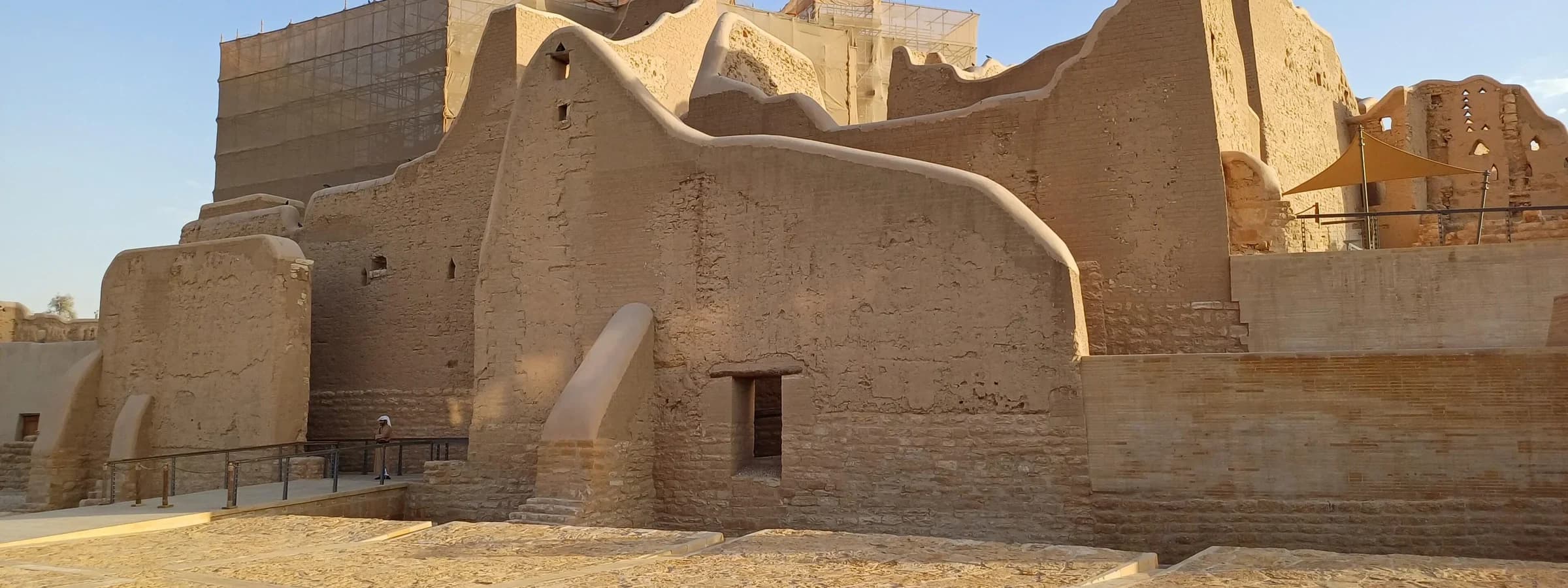
Earthen architecture in At-Turaif, Diriyah
At-Turaif, Diriyah · Photo credit: Radosław Botev · CC BY 3.0 pl

The True KSA · Leadership & national transformation

Mohammed bin Salman

Crown Prince and Prime Minister of the Kingdom of Saudi Arabia

A decade of ambition. A nation in transformation.

Since Vision 2030 was launched in 2016, Prince Mohammed bin Salman has been a central public leader in Saudi Arabia’s national transformation agenda — work carried forward by Saudi institutions, citizens, workers and businesses.

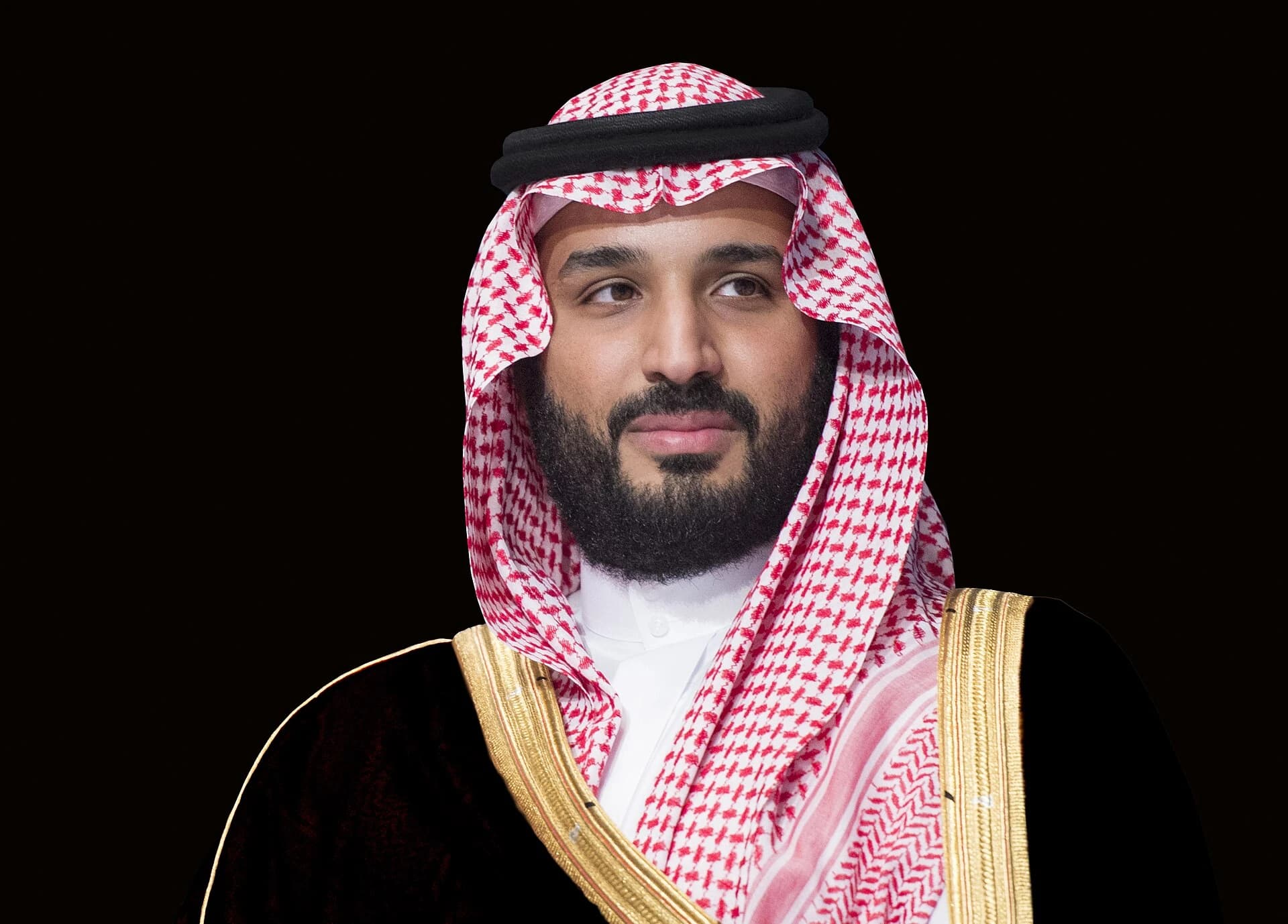
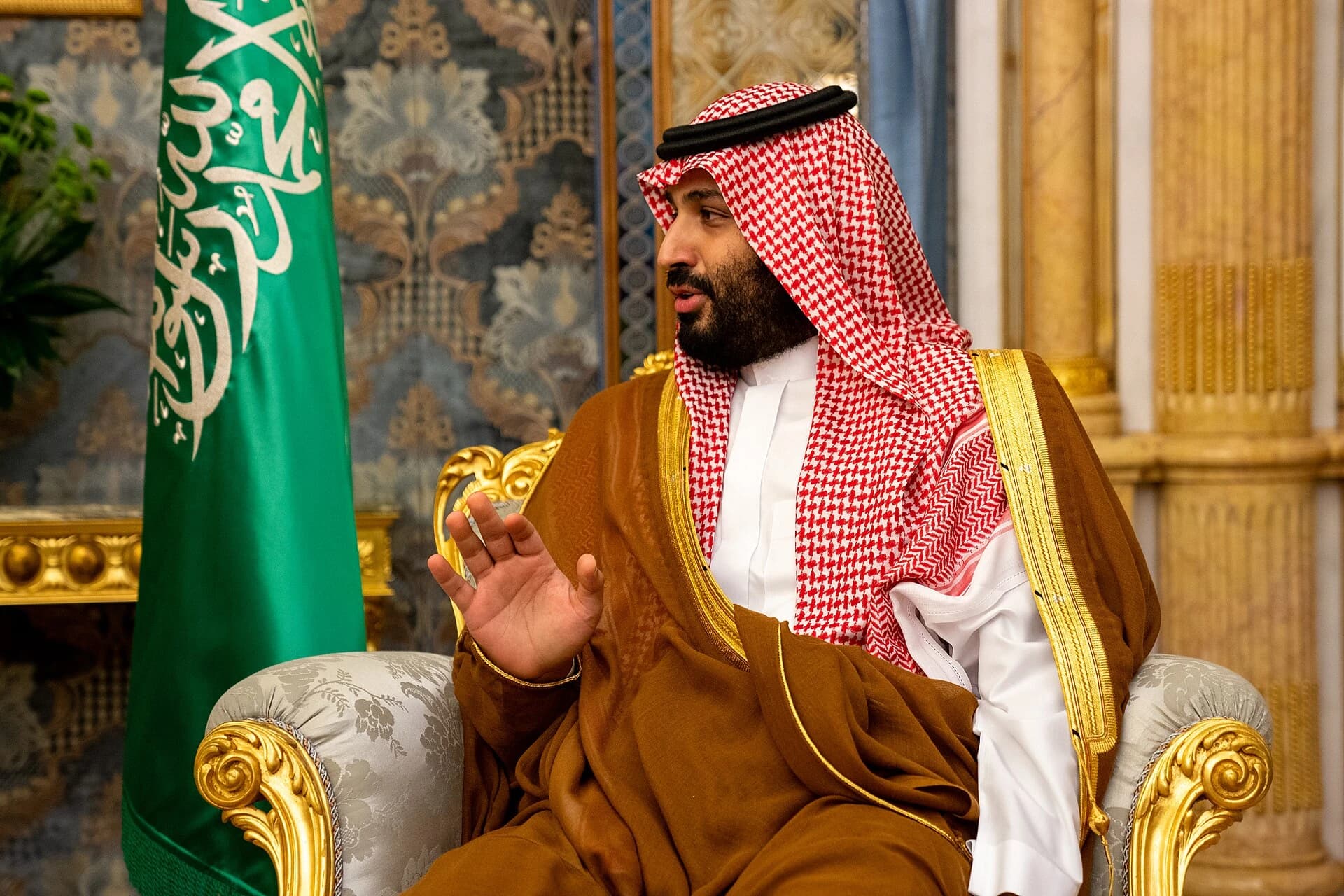
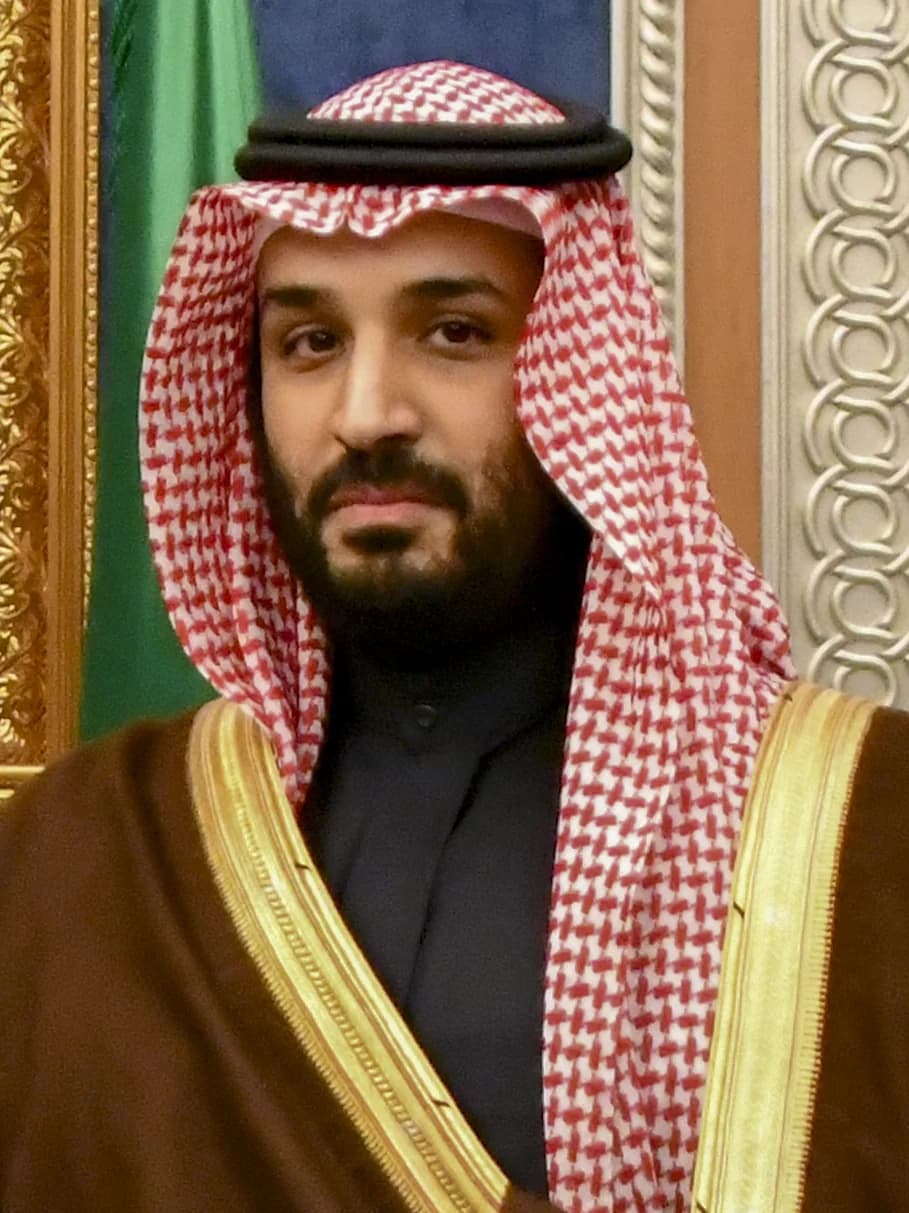
Saudi Press Agency issued official portrait of Crown Prince Mohammed bin Salman.
Official portrait · Saudi Press Agency (SPA) · CC BY-SA 4.0 · Wikimedia Commons (opens in a new tab) · Resized and converted to WebP.

Opening profile

His Royal Highness Prince Mohammed bin Salman bin Abdulaziz Al Saud

Prince Mohammed bin Salman is Crown Prince and Prime Minister of Saudi Arabia and chairs the Council of Economic and Development Affairs and the Board of the Public Investment Fund. He has been closely associated with the design and public direction of Vision 2030, launched in 2016 under the direction of the Custodian of the Two Holy Mosques, King Salman bin Abdulaziz Al Saud.

The scale of the programme is national. Its outcomes reflect government agencies, public servants, citizens, workers, entrepreneurs and private companies, as well as senior leadership. This profile focuses on his documented public responsibilities, initiatives he announced or chaired, and the outcomes reported by the institutions responsible for them.

Source: Saudi Press Agency — Council of Economic and Development Affairs reviews a decade of Vision 2030 achievements as it enters third phase, 27 Apr 2026 (opens in a new tab) · Public Investment Fund — Chaired by HRH the Crown Prince, PIF Board approves 2026–2030 strategy, 15 Apr 2026 (opens in a new tab) · Saudi Vision 2030 — Vision 2030 overview, Live page (opens in a new tab)

At a glance

Public biography

Born in Riyadh on 31 August 1985, Prince Mohammed bin Salman graduated from King Saud University with a bachelor’s degree in Law. Saudipedia records his public service from April 2007 as a consultant at the Bureau of Experts at the Council of Ministers, and from December 2009 as special adviser to the Governor of Riyadh Province. He later headed the Crown Prince’s Court, became Minister of Defense and Chairman of the Council of Economic and Development Affairs in 2015, and was designated Crown Prince by royal order in June 2017.

Public offices and documented milestones only. This profile does not speculate about private motives, personality or decision-making.

Public offices (as dated by Saudipedia)

23 Jan 2015
Minister of Defense
29 Jan 2015
Chairman, Council of Economic and Development Affairs
23 Mar 2015
Chairman, Public Investment Fund board
21 Jun 2017
Crown Prince and Deputy Prime Minister
27 Sep 2022
Prime Minister

A decade of Vision 2030

Vision 2030 set out a long-term direction: broaden the economy, strengthen national capabilities, improve public services and create opportunities across more sectors. In 2026, the Council of Economic and Development Affairs reviewed the programme’s first decade and its next phase.

  1. 2016

    Vision 2030 launched

    A national framework for economic, social and institutional development.

  2. 2021

    Saudi Green Initiative announced

    Environmental and land-restoration goals were brought together under a long-term national initiative.

  3. 2022

    Prime Minister appointment

    King Salman issued the royal order appointing Prince Mohammed bin Salman Prime Minister (27 September).

  4. 2024

    Alat launched

    A PIF company for advanced manufacturing (1 February). Its jobs and GDP figures are 2030 targets, not completed outcomes.

  5. 2025

    HUMAIN launched

    A PIF-owned company intended to develop capabilities across the AI value chain (12 May).

  6. 2026

    The next phase begins

    CEDA reviewed ten years of Vision 2030 (27 April); the PIF Board approved a 2026–2030 strategy focused on returns, investment efficiency and private-sector participation (15 April).

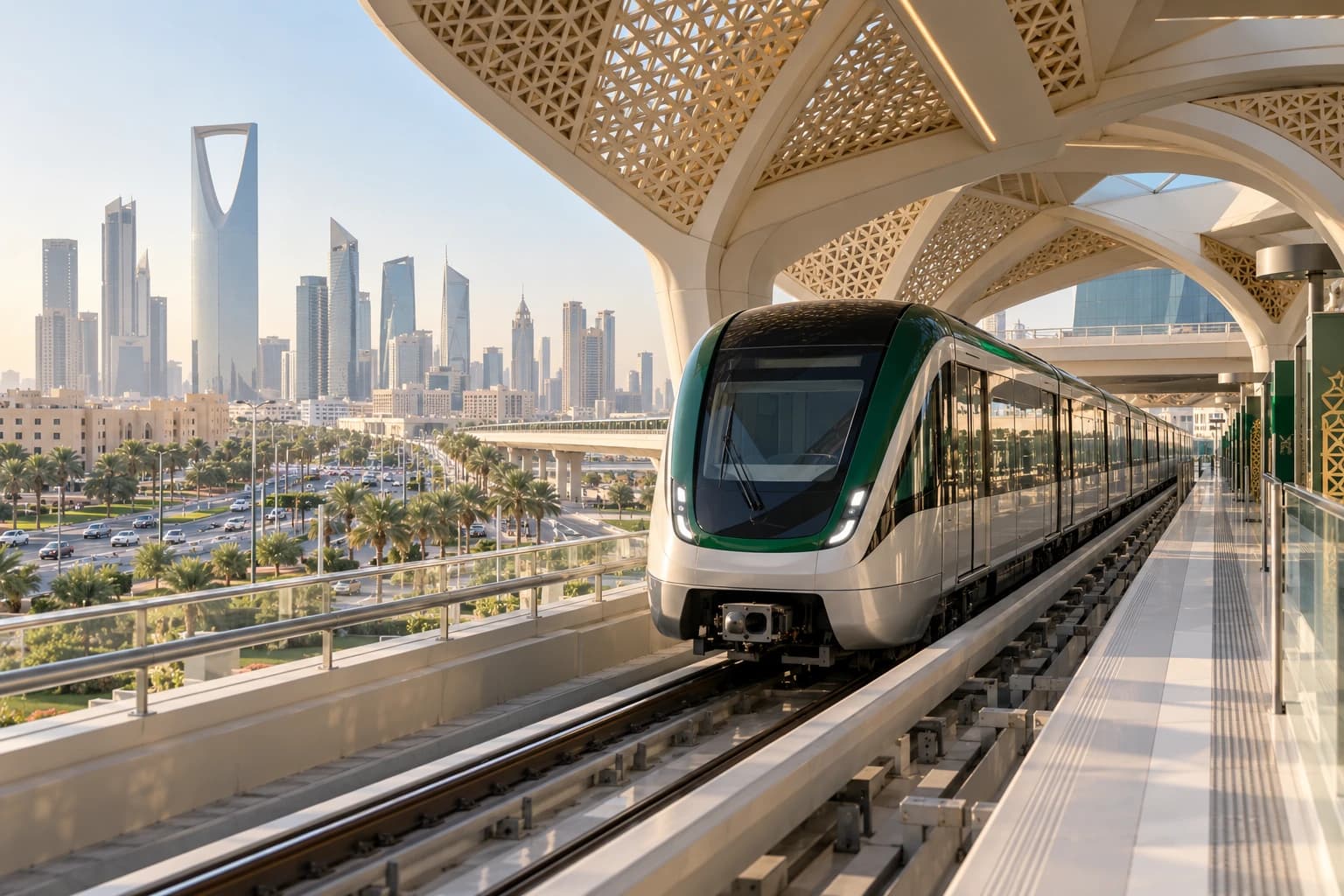
A Riyadh Metro train at a contemporary station with the city skyline.Illustrative image

Results reported for 2025

These figures come from 2025 reporting published in 2026. They are national or institutional indicators, not a personal scorecard.

Economic diversification and investment

The economic agenda associated with Vision 2030 is broader than a single project: it aims to grow competitive non-oil activities, build domestic supply chains and attract private and international partners. As chair of the PIF Board, Prince Mohammed chaired the meeting that approved the Fund’s 2026–2030 strategy, which prioritizes financial returns, investment efficiency and private-sector participation.

  • PIF-reported

    More than US$900bn

    Assets under management, 2025

  • PIF-reported

    More than US$199bn

    Invested in Saudi Arabia, 2021–2025

  • PIF-reported

    More than US$342bn

    Contribution to real non-oil GDP, 2021–2025 (cumulative)

These are PIF’s own published institutional figures (2025 Annual Report release, 17 August 2026). They describe the Fund’s performance and reported contribution — not personal income or individual output.

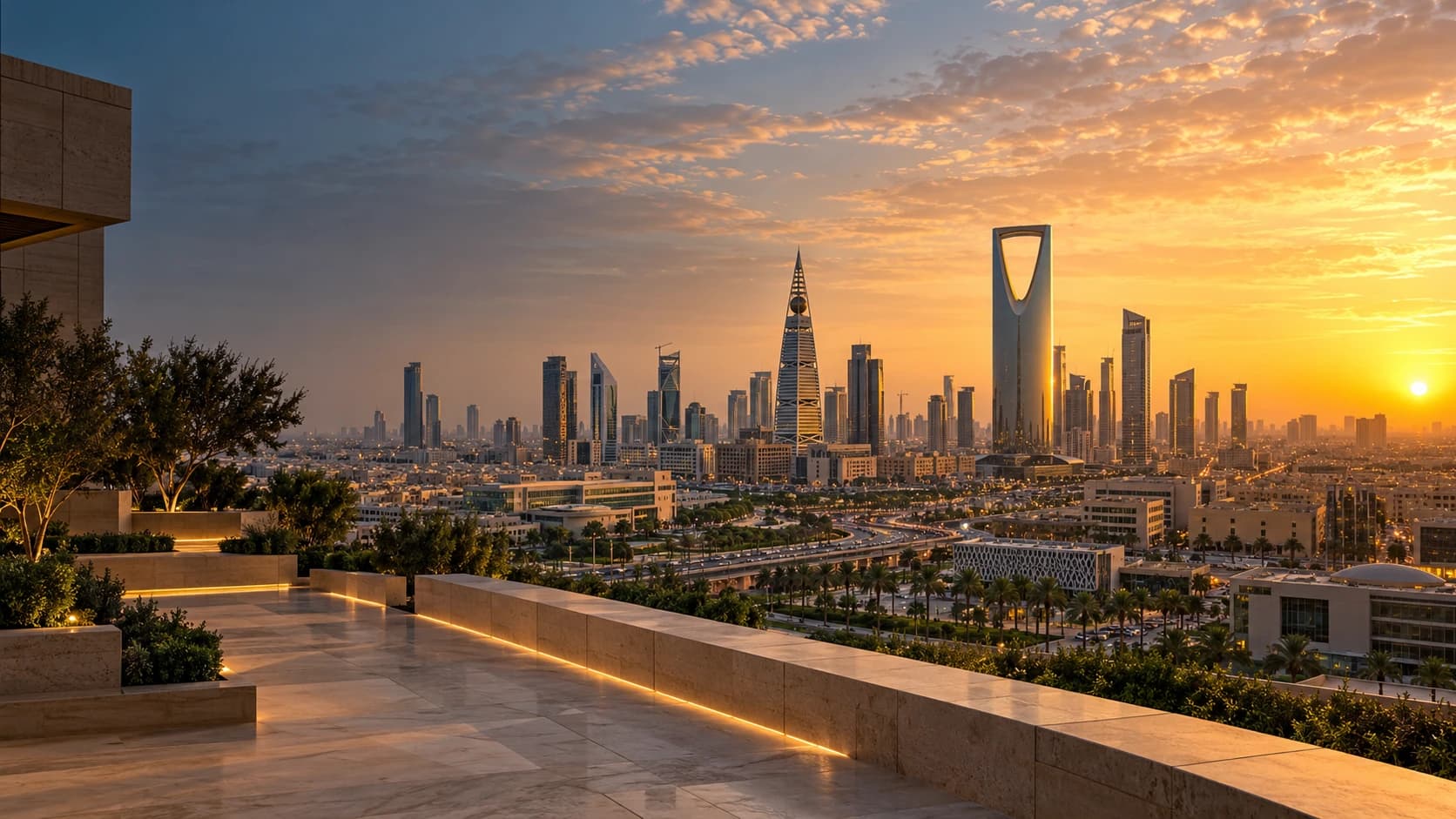
Riyadh skyline at sunrise, representing the setting for Saudi national development.Illustrative image
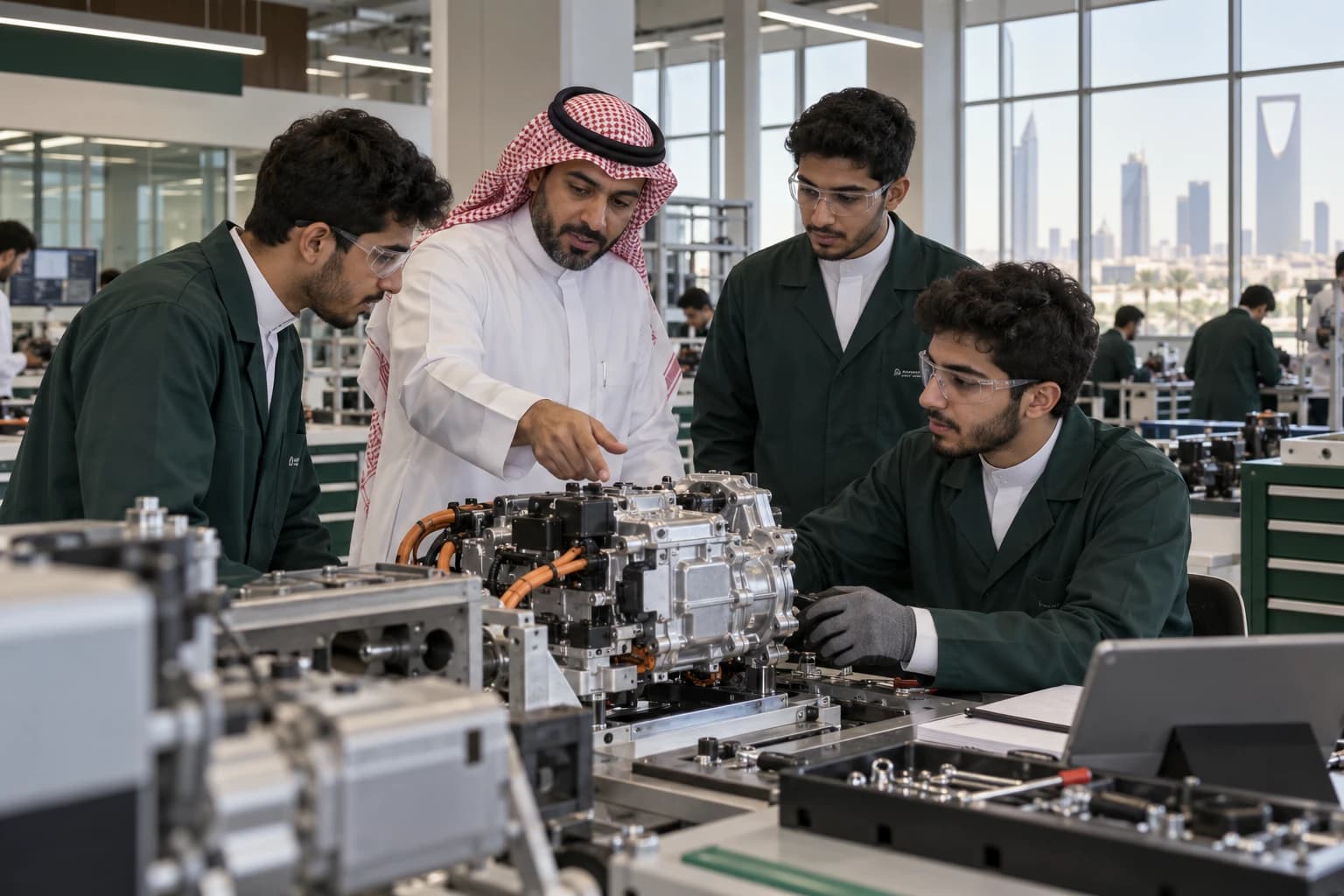
Saudi instructor mentoring adult trainees at a technical workstation.Illustrative image

Opportunity, employment and entrepreneurship

The public programme has sought to widen participation in work and business. Results below are reported by national programmes and institutions — the Human Resources Development Fund, Kafalah and the National Transformation Program — and by the people and businesses who took part.

Women’s economic participation, workforce share and management share are different indicators; each keeps its source label.

Building future industries

Two companies launched by the Crown Prince as PIF chairman, and the investment ecosystems in PIF’s next strategy. These are initiatives in progress; announced figures are targets.

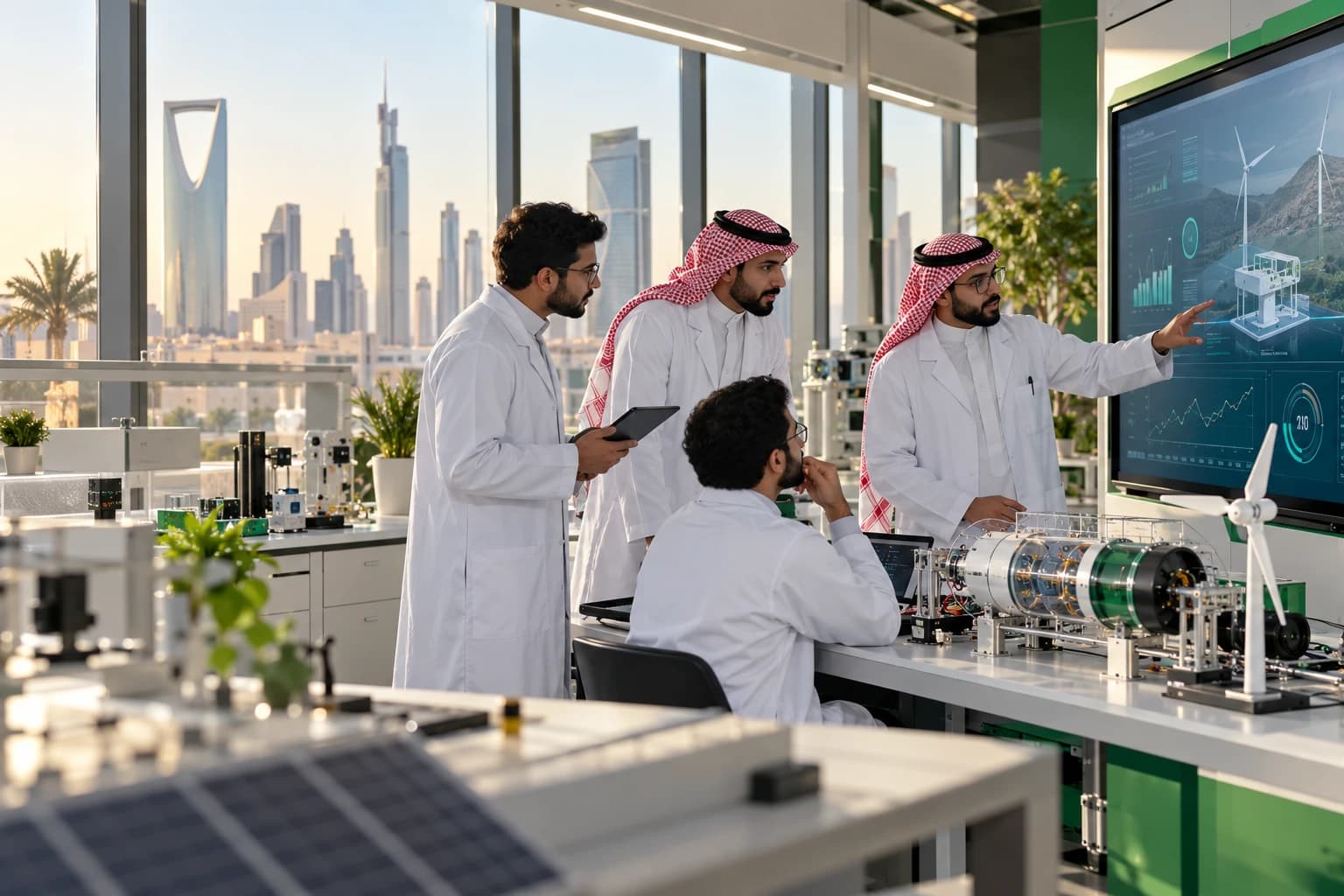
Saudi male researchers reviewing an engineering prototype in a Riyadh lab.Illustrative image
Launched 1 February 2024

Alat — advanced manufacturing

A PIF company manufacturing across seven business units, including advanced industries and semiconductors, smart devices and next-generation infrastructure, powered by clean energy.

  • Target

    39,000

    direct jobs in Saudi Arabia by 2030

  • Target

    US$9.3bn

    direct non-oil GDP contribution by 2030

PIF 2026–2030: Vision Portfolio ecosystems

  • Tourism, travel & entertainment
  • Urban development & livability
  • Advanced manufacturing & innovation
  • Industrials & logistics
  • Clean energy, water & renewables infrastructure
  • NEOM

The strategy describes plans and priorities, not ecosystems that are already mature.

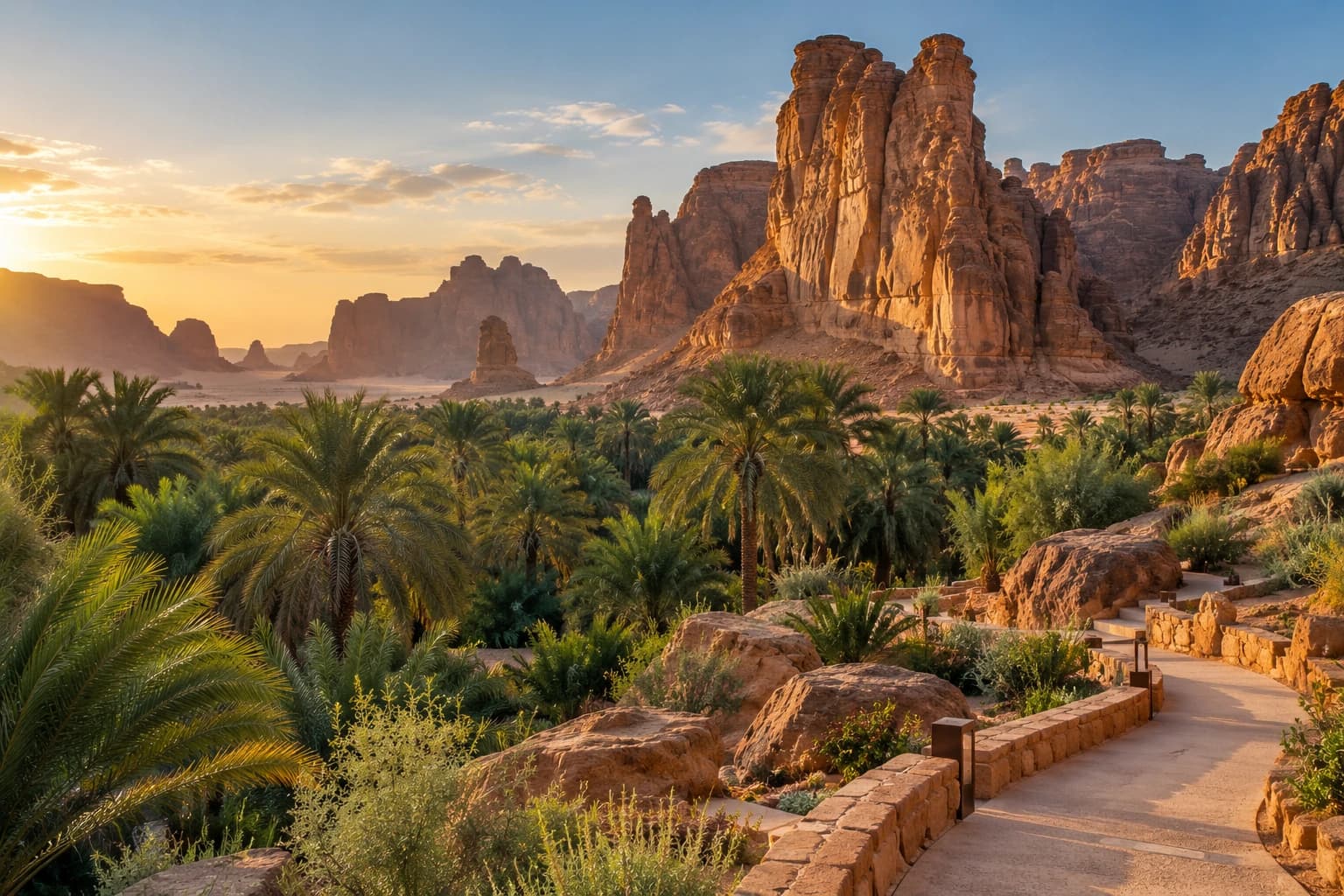
AlUla sandstone cliffs and oasis palms in warm afternoon light.Illustrative image

Tourism, culture and the service of pilgrims

Saudi Arabia’s 2025 tourism report recorded around 123 million inbound and domestic tourists and about SAR 304 billion in total tourism spending. These results show the scale of a sector Vision 2030 has sought to develop; they belong to tourism institutions, businesses and destination communities as well as national leadership.

The Vision 2030 Annual Report 2025 states that the number of Umrah performers from outside the Kingdom exceeded the 2025 target for the second consecutive year, and that eight UNESCO World Heritage Sites were maintained — the 2030 target, reached ahead of schedule. Services for pilgrims are delivered by the responsible institutions and a national workforce.

  • ≈123m

    Inbound and domestic tourists, 2025

  • ≈SAR 304bn

    Total tourism spending, 2025

  • 18.03m

    Umrah performers from abroad, 2025 (target 15m)

  • 8

    UNESCO World Heritage Sites, 2025

Environmental goals and stewardship

The Saudi Green Initiative and the Middle East Green Initiative were announced in 2021. Their published long-term goals are targets; progress is shown only where an official, dated report gives it.

Reported result

Reported progress (Saudi Press Agency, 27 March 2026)

  • First one million hectares of degraded land restored, with 2.5 million hectares the next milestone by 2030.
  • More than 159 million trees planted.

Figures from the Ministry of Environment, Water and Agriculture and the National Center for Vegetation Cover as reported by SPA; methodology is published by those bodies.

Source: Saudi Press Agency — Saudi Arabia restores first million hectares of degraded land under Saudi Green Initiative, 27 Mar 2026 (opens in a new tab)

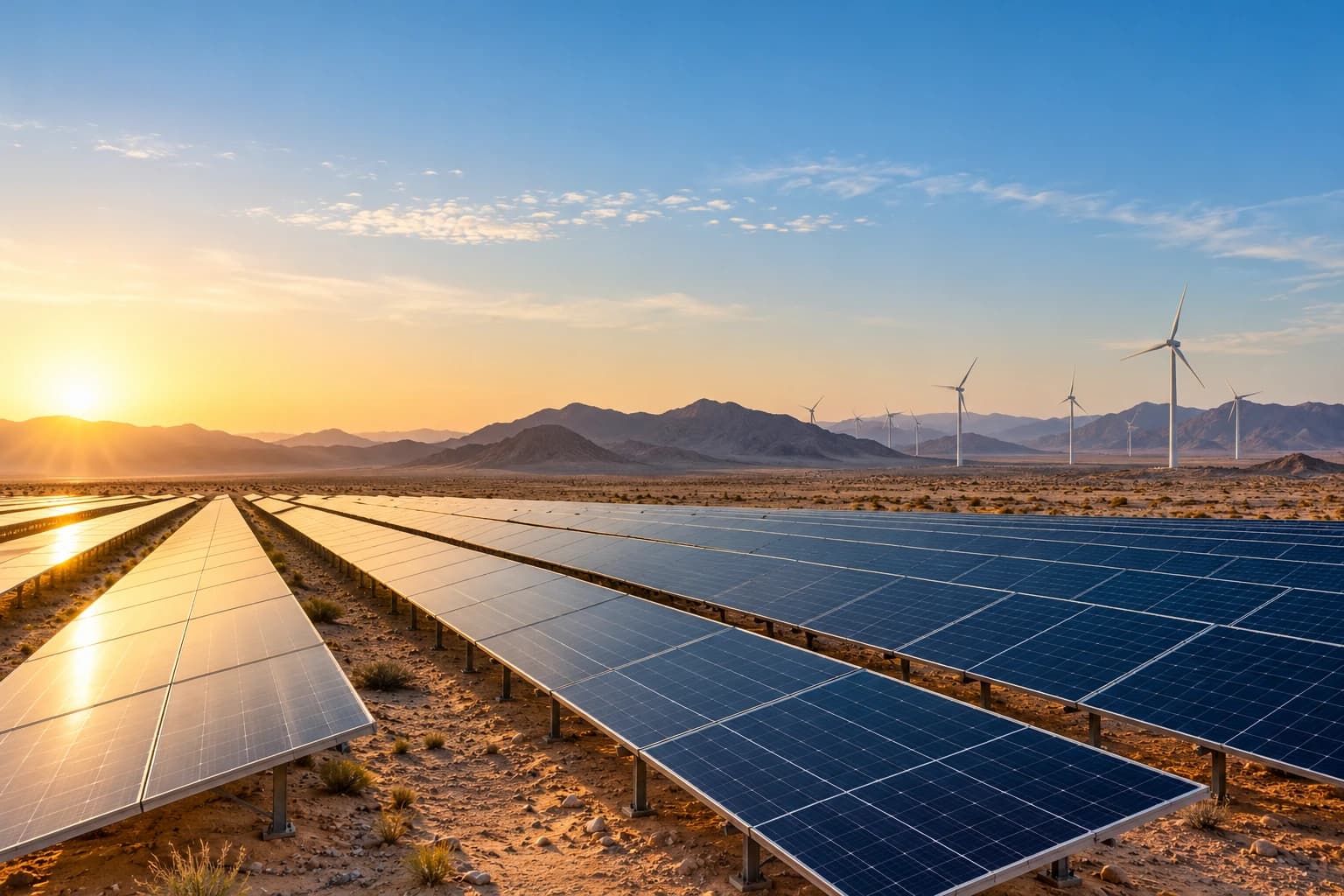
Solar panels and wind turbines in a Saudi desert landscape.Illustrative image

Leadership strengths visible in the public record

An editorial reading of documented public work — not a claim about private personality, beliefs or motives.

  • Long-range strategic direction

    Vision 2030 links public priorities to a 2030 horizon and publishes annual progress reviews.

  • Institutional coordination

    CEDA and the Vision Realization Programs connect priorities to ministries and implementation bodies.

  • Investment and sector-building

    PIF’s domestic investment strategy, Alat and HUMAIN show an emphasis on building new capabilities and supply chains.

  • Opportunity and human capability

    Public programmes track women’s participation, employment, training and SME finance.

  • Global engagement

    His public schedule includes meetings with leaders and international forums across regions.

The story of Saudi Arabia’s transformation is still being written — through national ambition, institutional work and the contribution of its people.

Sources and verification

Every fact above links to its primary source. Roles and figures are refreshed when newer official reports are published. Last reviewed: 16 October 2026

The True KSA is an independent information platform. It is not a government website and does not speak on behalf of Saudi government bodies.

The portrait and the event photographs are authentic, credited images from Wikimedia Commons; no photographer, agency, foreign leader or government endorses this site. Images labelled “Illustrative image” are generated editorial illustrations of Saudi settings and do not show specific government projects.

Photo credits (11)

Each photograph keeps its own creator, licence and source page on Wikimedia Commons. Images under CC BY-SA 4.0 are shared here under the same licence.

  1. Official portrait

    Photo: Saudi Press Agency (SPA) · CC BY-SA 4.0 · Wikimedia Commons (opens in a new tab) · Resized and converted to WebP.

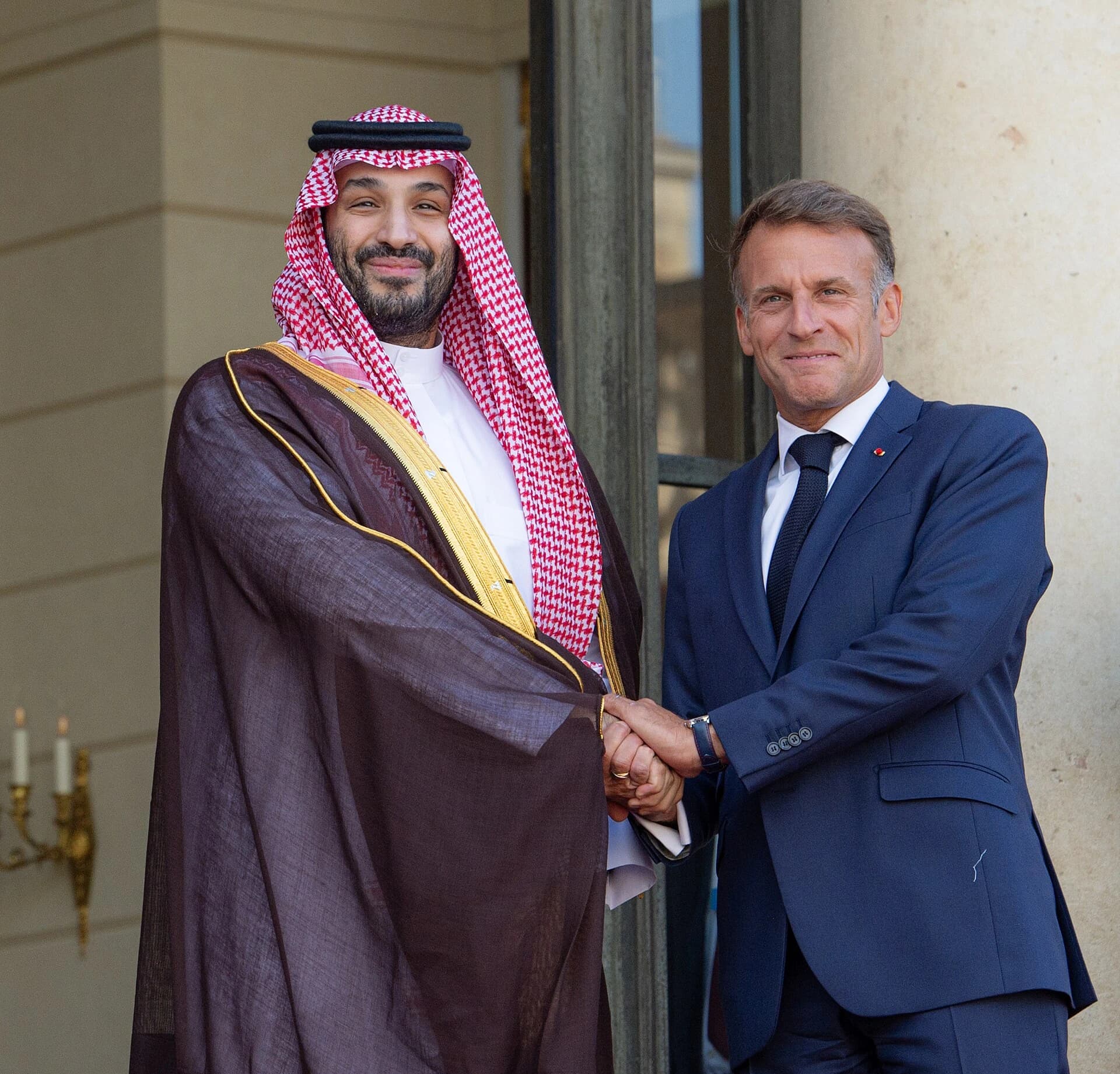
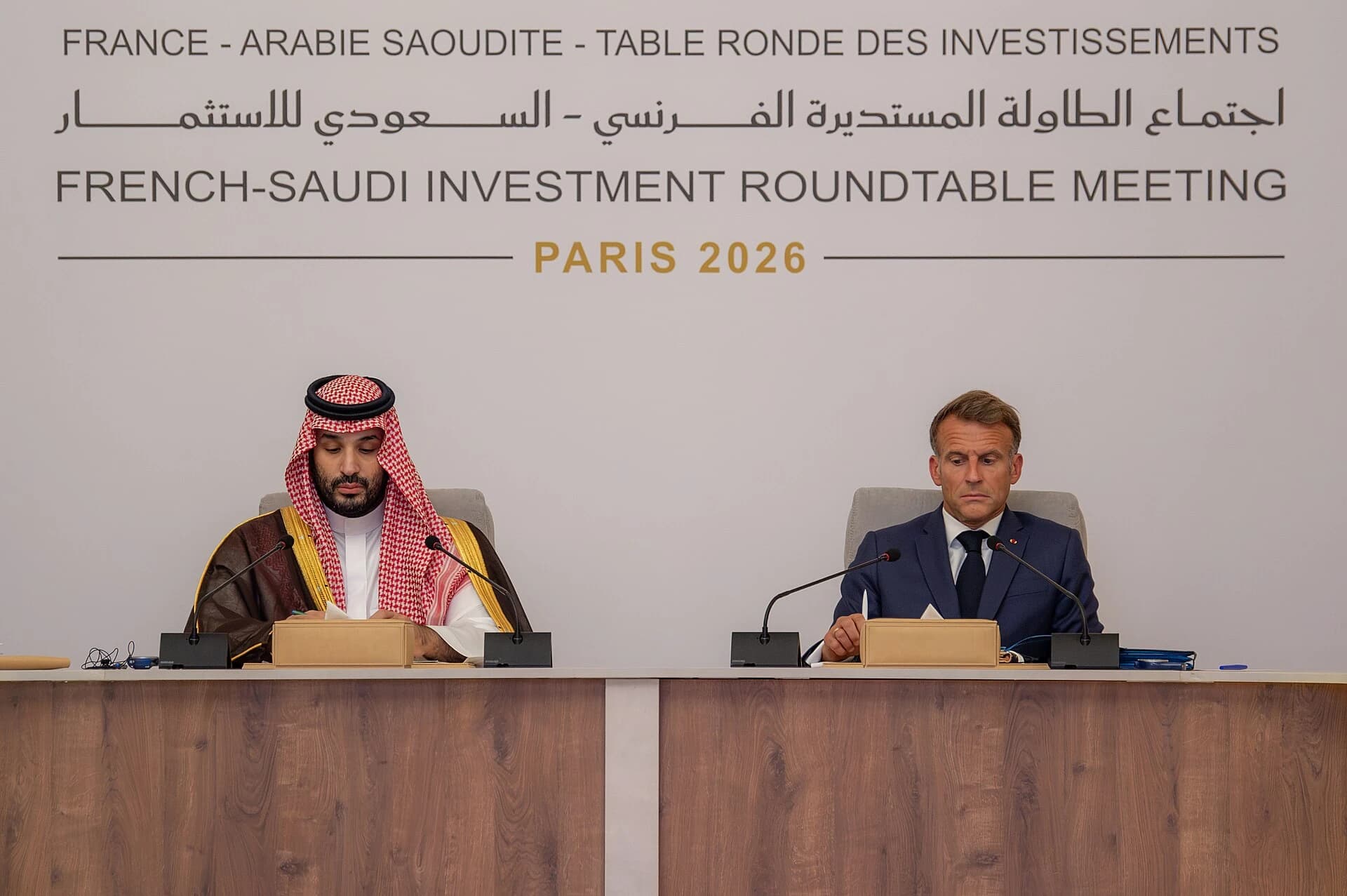
  2. Meeting with French President Emmanuel Macron, Élysée Palace, Paris (24 August 2026)

    Photo: Saudi Press Agency (SPA) · CC BY-SA 4.0 · Wikimedia Commons (opens in a new tab) · Resized and converted to WebP.

  3. France–Saudi investment roundtable, Paris (24 August 2026)

    Photo: Saudi Press Agency (SPA) · CC BY-SA 4.0 · Wikimedia Commons (opens in a new tab) · Resized and converted to WebP.

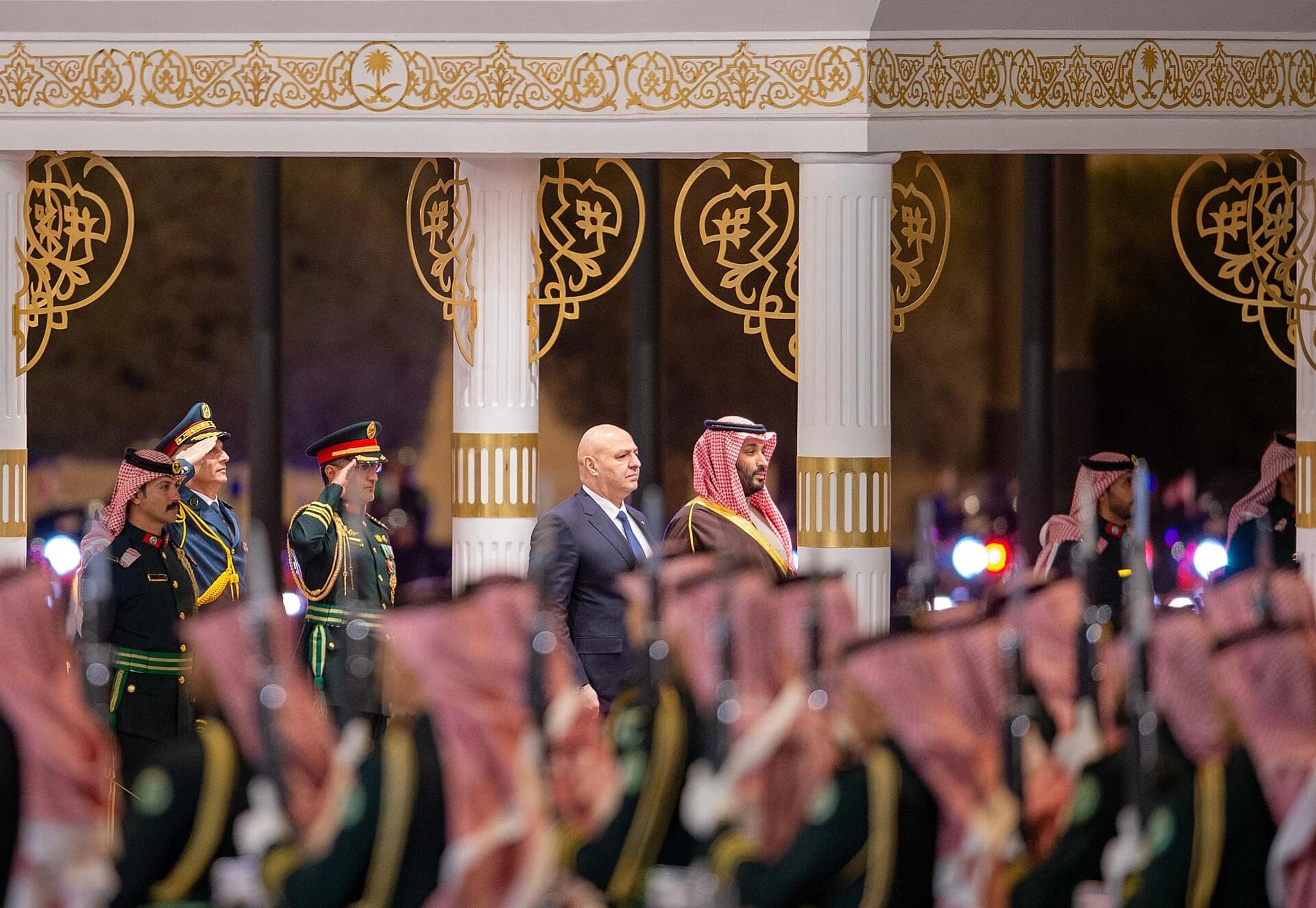
  4. Meeting with Lebanese President Joseph Aoun, Riyadh (March 2025)

    Photo: Saudi Press Agency (SPA) · CC BY-SA 4.0 · Wikimedia Commons (opens in a new tab) · Resized and converted to WebP.

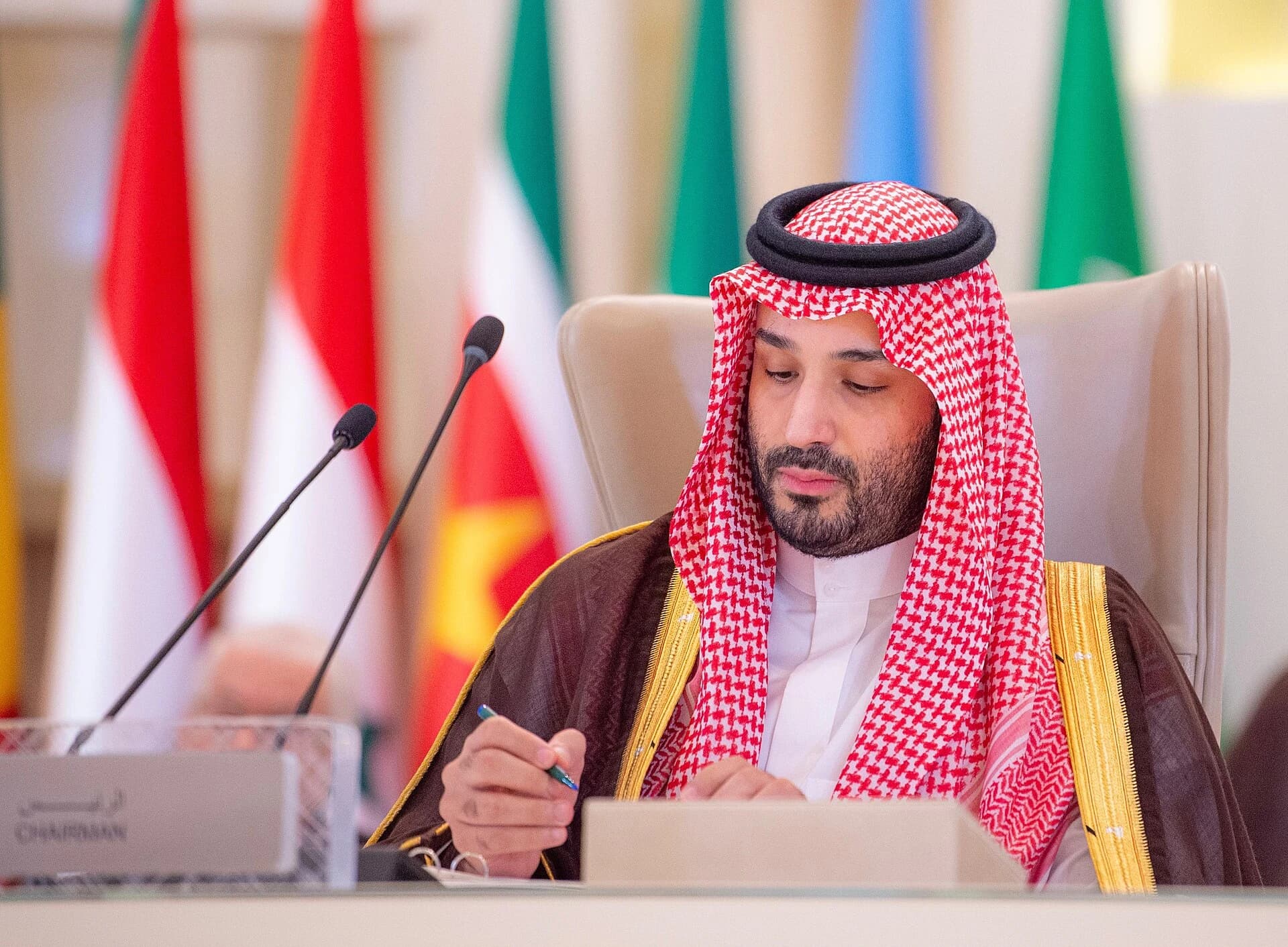
  5. Extraordinary Arab and Islamic Summit, Riyadh (11 November 2024)

    Photo: Saudi Press Agency (SPA) · CC BY-SA 4.0 · Wikimedia Commons (opens in a new tab) · Resized and converted to WebP.

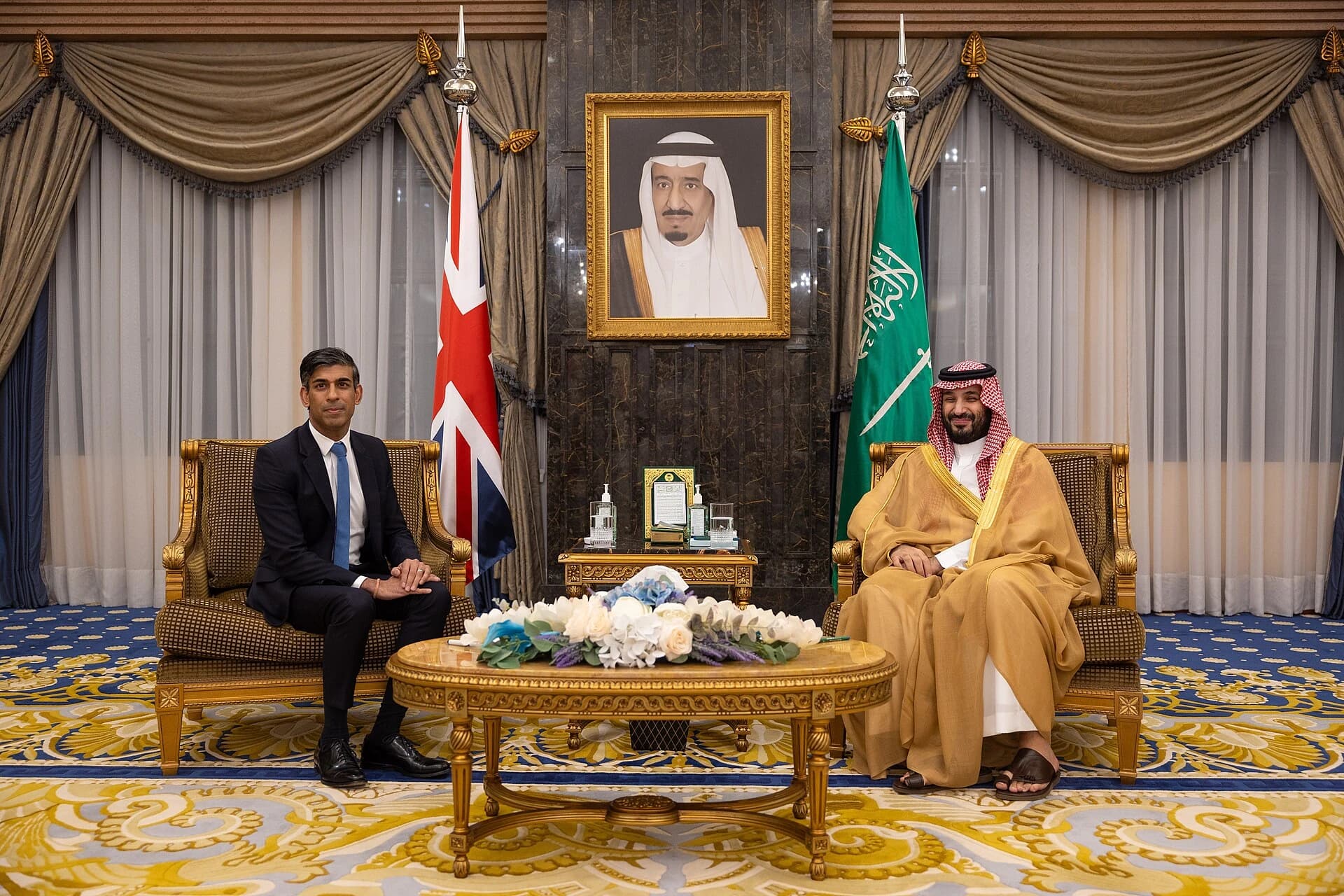
  6. Meeting with UK Prime Minister Rishi Sunak, Riyadh (19 October 2023)

    Photo: Simon Walker / No. 10 Downing Street · CC BY 2.0 · Wikimedia Commons (opens in a new tab) · Resized and converted to WebP.

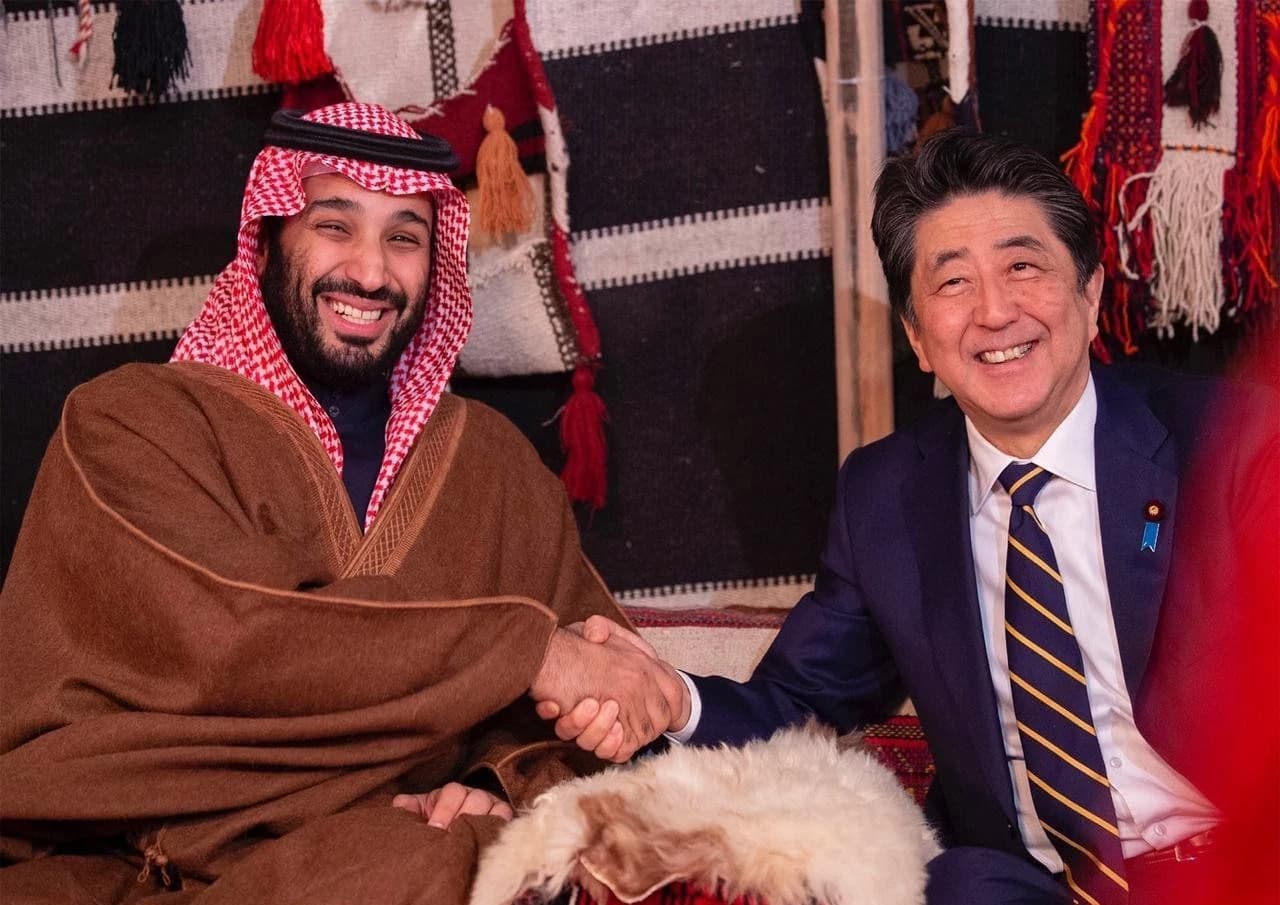
  7. Meeting with Japanese Prime Minister Shinzo Abe, AlUla (12 January 2020)

    Photo: Saudi Press Agency (SPA) · CC BY-SA 4.0 · Wikimedia Commons (opens in a new tab) · Resized and converted to WebP.

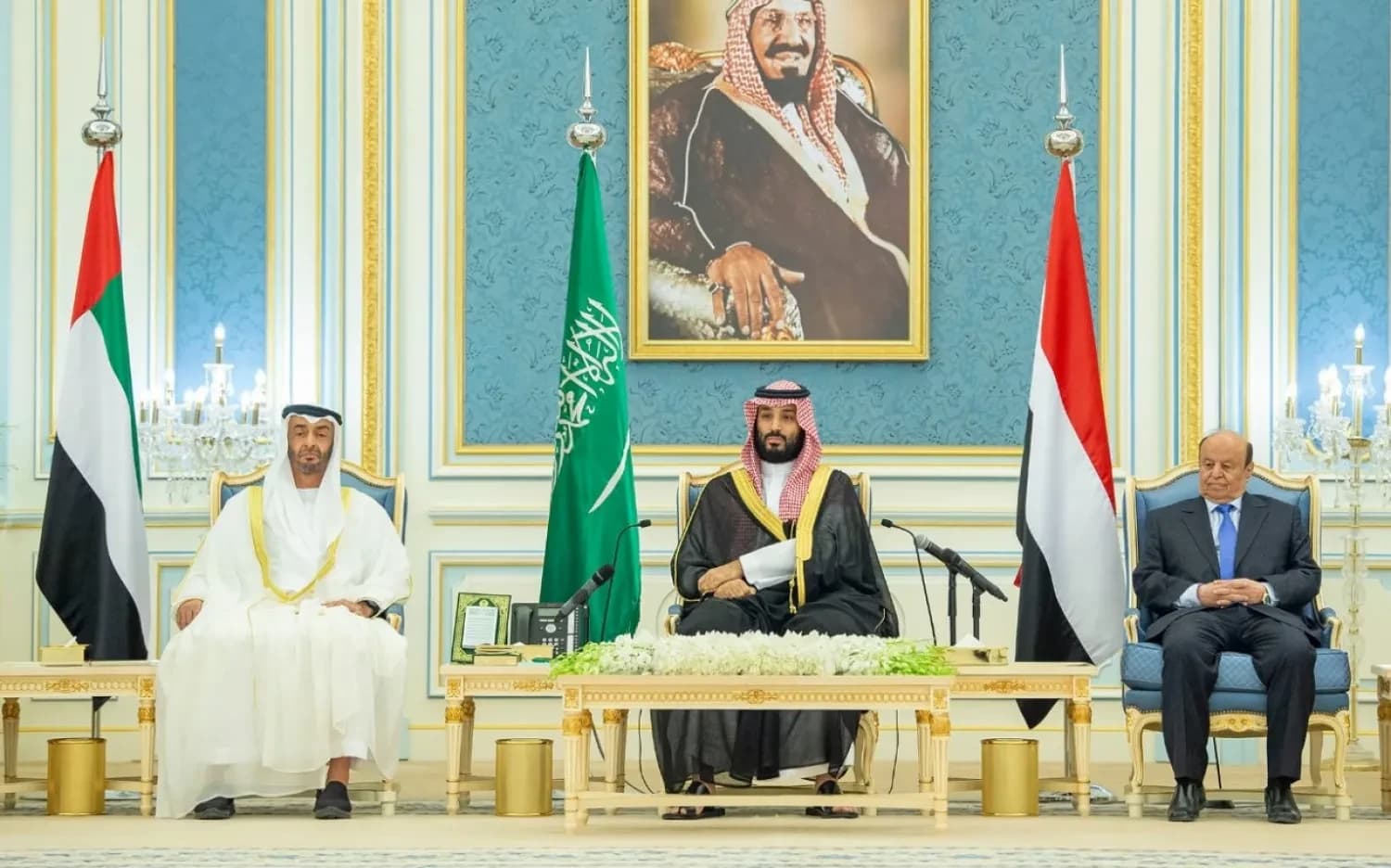
  8. Riyadh Agreement signing ceremony (5 November 2019) — attendance

    Photo: Saudi Press Agency (SPA) · CC BY-SA 4.0 · Wikimedia Commons (opens in a new tab) · Resized and converted to WebP.

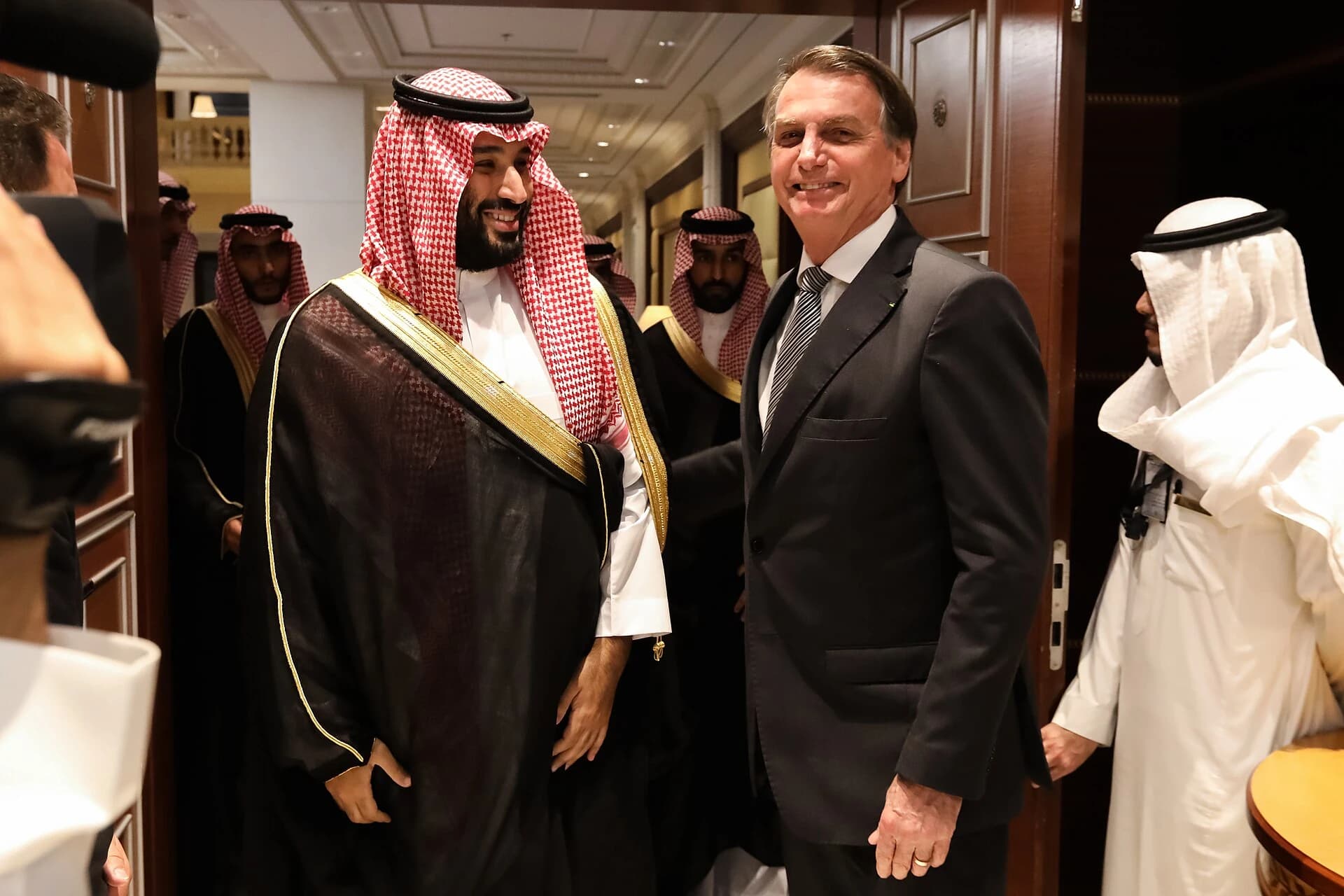
  9. Meeting with the President of Brazil, Riyadh (29 October 2019)

    Photo: José Dias / Palácio do Planalto · CC BY 2.0 · Wikimedia Commons (opens in a new tab) · Resized and converted to WebP.

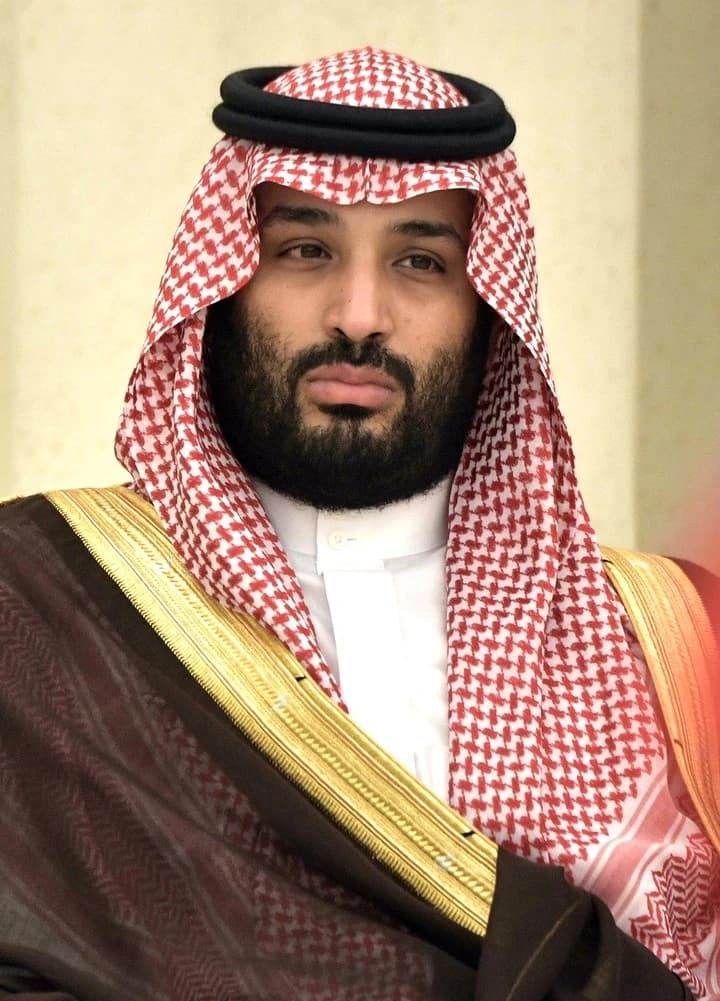
  10. Portrait at a Russian–Saudi document-signing ceremony (October 2019)

    Photo: Presidential Press and Information Office (Kremlin.ru) · CC BY 4.0 · Wikimedia Commons (opens in a new tab) · Resized and converted to WebP.

  11. Meeting with U.S. Secretary of State Michael R. Pompeo, Jeddah (18 September 2019)

    Photo: U.S. Department of State; photo by Ron Przysucha · Public domain (U.S. government work) · Wikimedia Commons (opens in a new tab) · Resized and converted to WebP.

Frequently asked questions

What is his current public role?

He is Crown Prince and Prime Minister of Saudi Arabia and chairs the Council of Economic and Development Affairs and the Board of the Public Investment Fund.

What is Vision 2030?

It is Saudi Arabia’s long-term national transformation framework, launched in 2016 under King Salman’s direction.

Are the statistics personal achievements?

No. They are national or institutional results reported by the relevant bodies. This profile credits those institutions and the people, businesses and communities involved.

Related pages

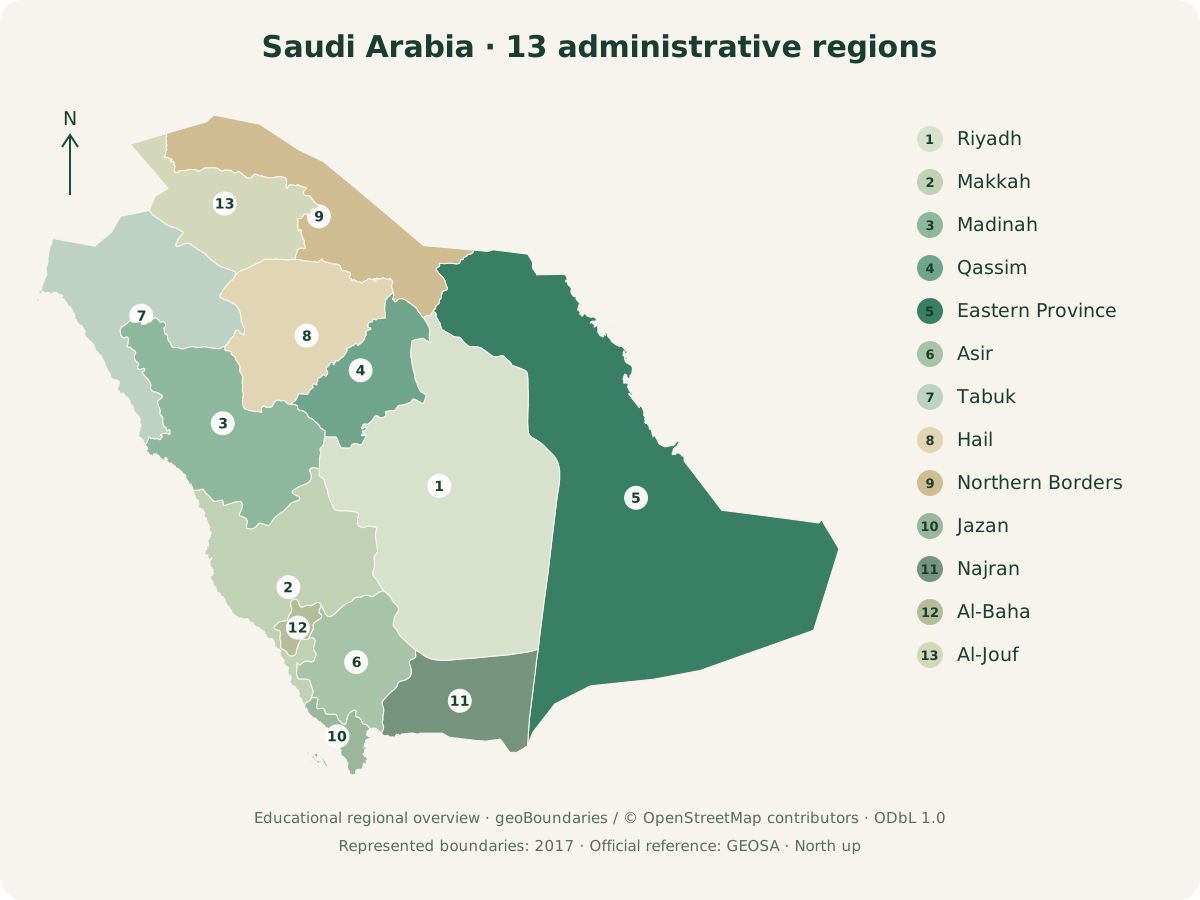
Explore the 13 regions

Select a region on the geographic map or use the matching list. Each profile distinguishes the administrative capital, other towns, landscape, historical themes and places to explore.

Geographic grouping

13 of 13 regions

North ↑ · Educational map from geoBoundaries/OSM polygons representing 2017 boundaries. For the approved national map, use GEOSA. Colours identify regions and do not show population or historical territorial control.

Map data: © OpenStreetMap contributors; geoBoundaries; Wambacher · Licence: ODbL 1.0 · Boundary data year: 2017 · GEOSA official map reference · Download static map

Regional list

Selected: Riyadh

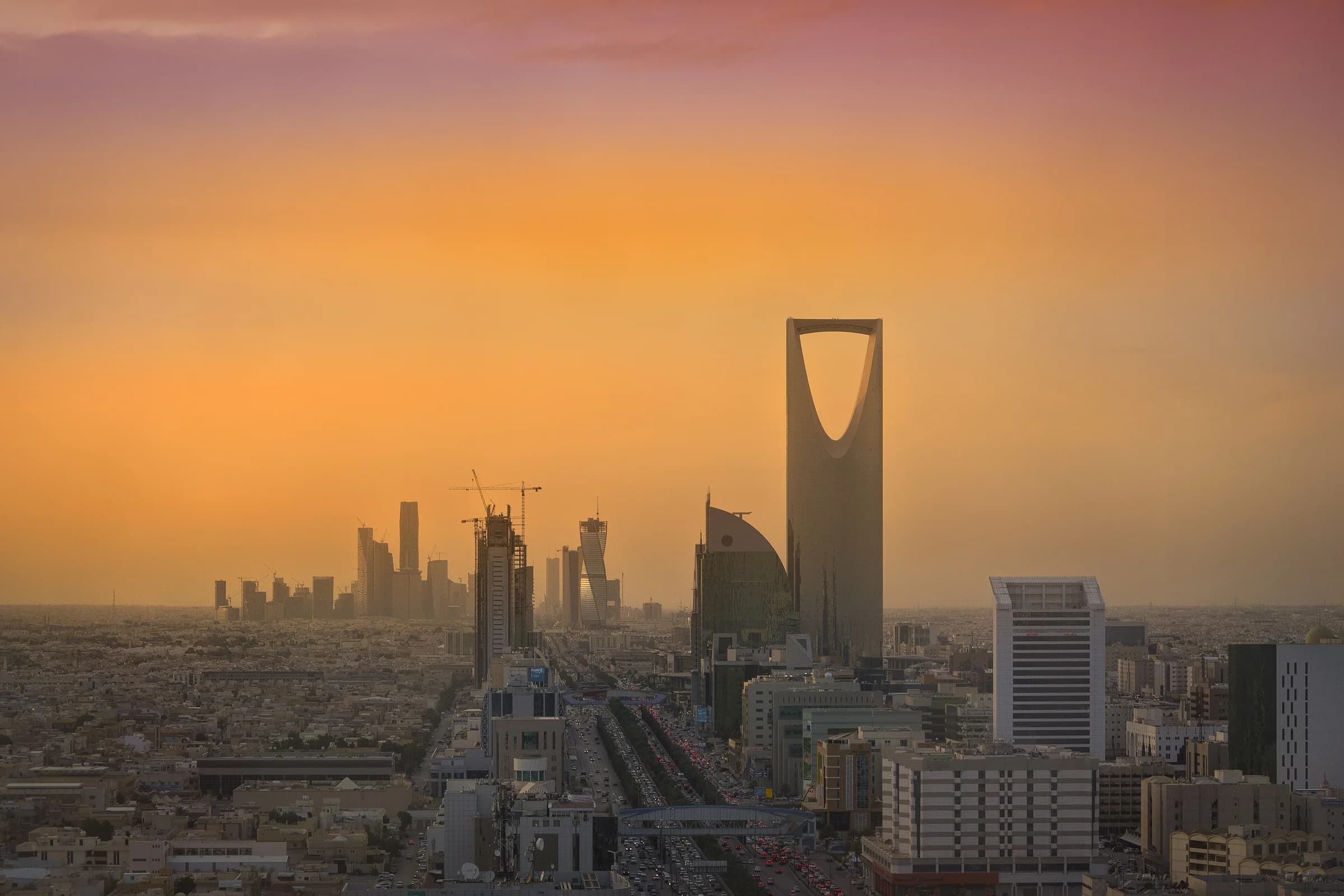
Riyadh skyline with Kingdom Centre at sunset

Region · Central · SA-01

Riyadh

Administrative capital
Riyadh
Selected cities and settlements
Riyadh, Diriyah, Al-Kharj
Landscape
Najdi plateau, Wadi Hanifah and the capital’s urban landscape.
History and significance
Riyadh and nearby Diriyah connect the Second State, the 1902 recovery and national institutions.
Places and themes to explore
  • At-Turaif
  • Masmak Fort
  • National Museum

Region, not city: the administrative capital shares its name with the region where noted.

Source: Riyadh province

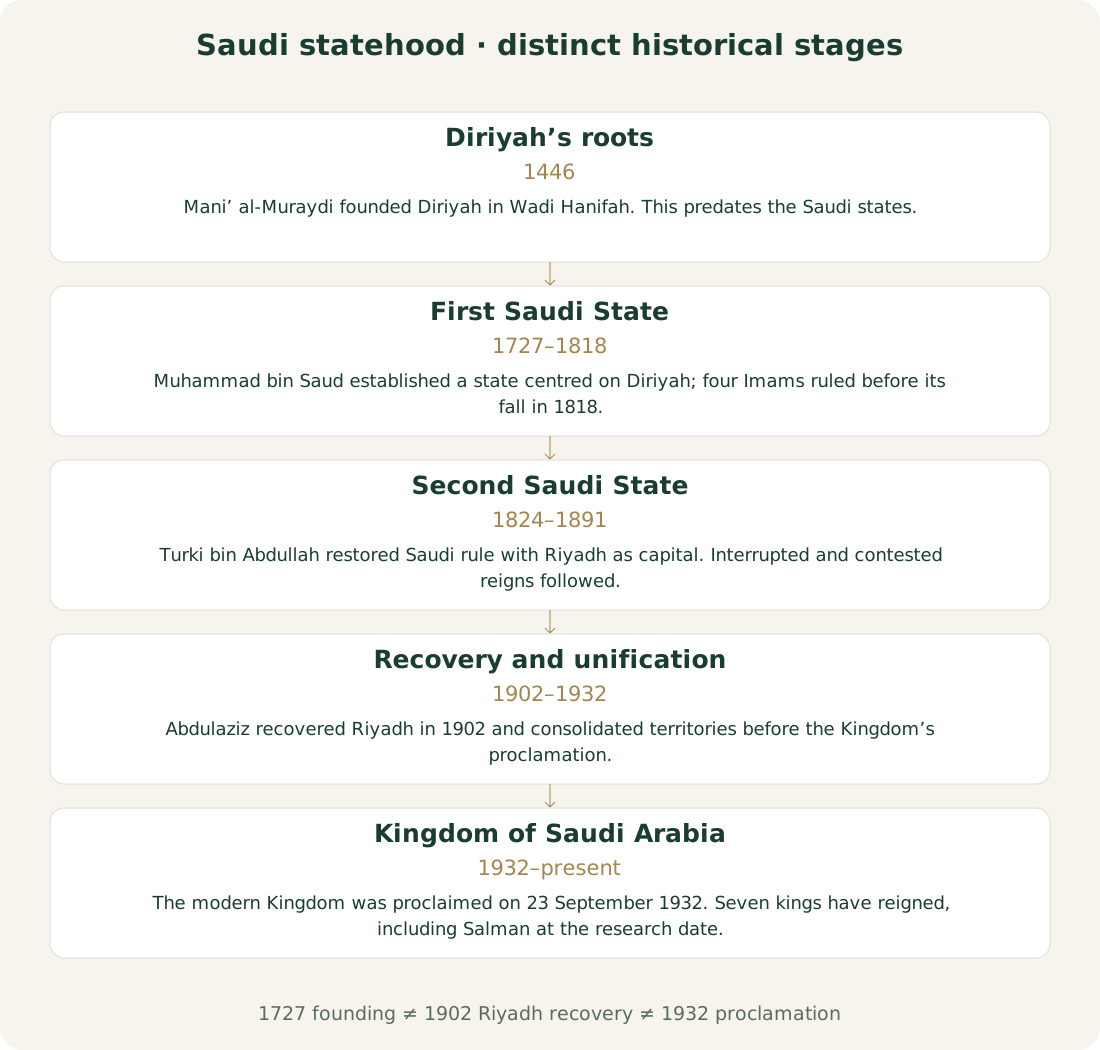
The stages of Saudi statehood

Five distinct stages — the borders of each were different, so today’s regional map is not used for them.

  1. 1

    1446

    Diriyah’s roots

    Mani’ al-Muraydi founded Diriyah in Wadi Hanifah. This predates the Saudi states.

  2. 2

    1727–1818

    First Saudi State

    Muhammad bin Saud established a state centred on Diriyah; four Imams ruled before its fall in 1818.

  3. 3

    1824–1891

    Second Saudi State

    Turki bin Abdullah restored Saudi rule with Riyadh as capital. Interrupted and contested reigns followed.

  4. 4

    1902–1932

    Recovery and unification

    Abdulaziz recovered Riyadh in 1902 and consolidated territories before the Kingdom’s proclamation.

  5. 5

    1932–present

    Kingdom of Saudi Arabia

    The modern Kingdom was proclaimed on 23 September 1932. Seven kings have reigned, including Salman at the research date.

First Saudi State

  1. Imam Muhammad bin Saud1727–1765

    Established the state in Diriyah.

    Source: First Saudi State

  2. Imam Abdulaziz bin Muhammad1765–1803

    Succeeded his father and expanded the state.

    Source: First Saudi State

  3. Imam Saud bin Abdulaziz1803–1814

    Led the First State during an extensive phase of expansion.

    Source: First Saudi State

  4. Imam Abdullah bin Saud1814–1818

    Ruled during the final confrontation ending at Diriyah.

    Source: First Saudi State

Second Saudi State: principal Imams

  1. Imam Turki bin Abdullah1824–1834

    Restored Saudi rule and made Riyadh the capital.

    Source: Turki bin Abdullah biography

  2. Imam Faisal bin Turki1834–1838 / 1843–1865

    His two periods were separated by captivity and intervening rulers.

    Source: Faisal bin Turki biography · Rulers of the Second Saudi State

  3. Imam Abdullah bin Faisal

    A principal ruler in a period of recurring disputes and interrupted authority.

    Source: Rulers of the Second Saudi State

  4. Imam Abdulrahman bin Faisal1889–1891 (final period)

    Last Imam of the Second State and father of the modern Kingdom’s founder.

    Source: Abdulrahman bin Faisal biography · Rulers of the Second Saudi State

The Second State panel follows the principal-imam grouping in the cited Saudi reference. It is not an exhaustive reign-by-reign register: rival rulers and short intervening administrations are not all represented.

State-stage timeline (diagram)

State-stage timeline (diagram)
Historical stages did not have identical borders. The current regional map must not be reused as a map of the First or Second Saudi State.Open full-size diagram

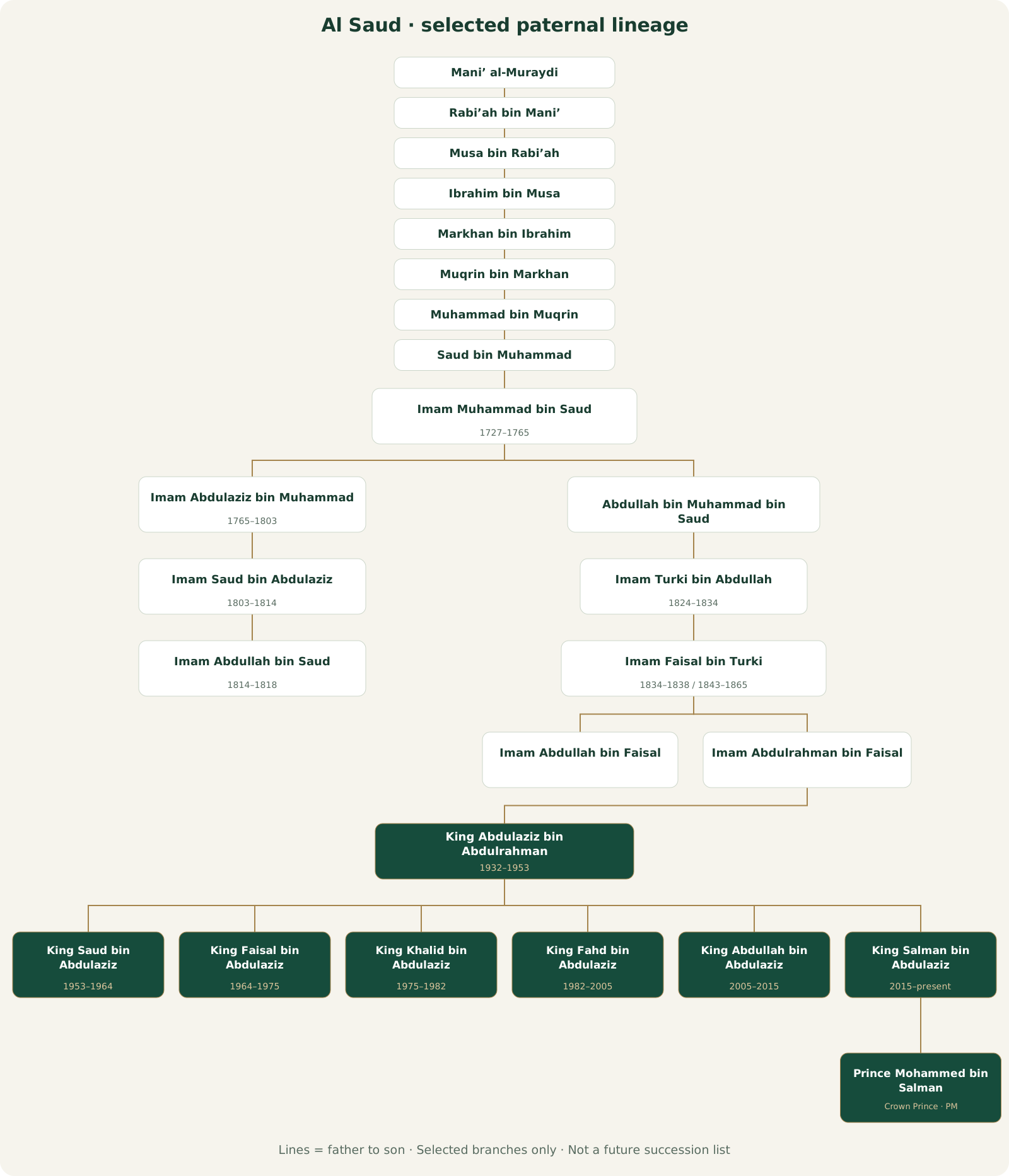
The Al Saud family tree

The six kings after Abdulaziz are shown as his sons, rather than as a father-to-son chain. Mohammed bin Salman is shown as Salman’s son. Earlier branches connect the First and Second Saudi States.

100%Open full-size diagram
Al Saud: selected paternal lineage — A selected line connecting Diriyah’s early ancestor, the Saudi states and the modern kings. It omits many sons, daughters, spouses and collateral branches. Lines show parentage, not an order of future succession.

Lines show father-to-son relationships — not succession.

A selected line connecting Diriyah’s early ancestor, the Saudi states and the modern kings. It omits many sons, daughters, spouses and collateral branches. Lines show parentage, not an order of future succession.

The seven kings

7 of 7 kings

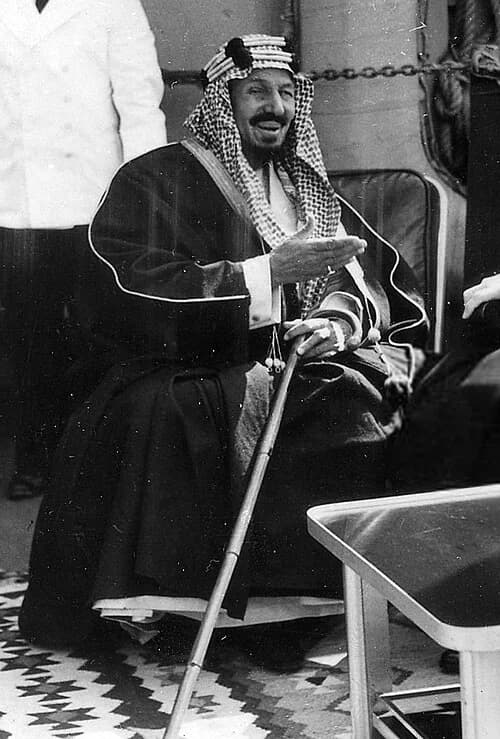
  1. King Abdulaziz in 19451

    Reign: 1932–1953

    King Abdulaziz bin Abdulrahman

    Founder of the modern Kingdom; recovery of Riyadh preceded the 1932 proclamation.

    Biography and milestones

    Abdulaziz rebuilt Saudi rule from Riyadh in 1902 and unified territories over the following decades. The Kingdom of Saudi Arabia was proclaimed in 1932. His father was Imam Abdulrahman bin Faisal of the Second Saudi State. The six kings after him were his sons.

    Selected milestones

    1. 1902Recovery of Riyadh
    2. 1932Proclamation of the Kingdom
    3. 1953Death and accession of King Saud

    His earlier leadership from 1902 is distinct from his reign as king of the named Kingdom from 1932.

    Father:

    Photo credit: Unknown author · Photograph date 1945 · Public domain · Documentary photograph

    Sources: List of Kings of Saudi Arabia · Abdulaziz biography — Saudipedia

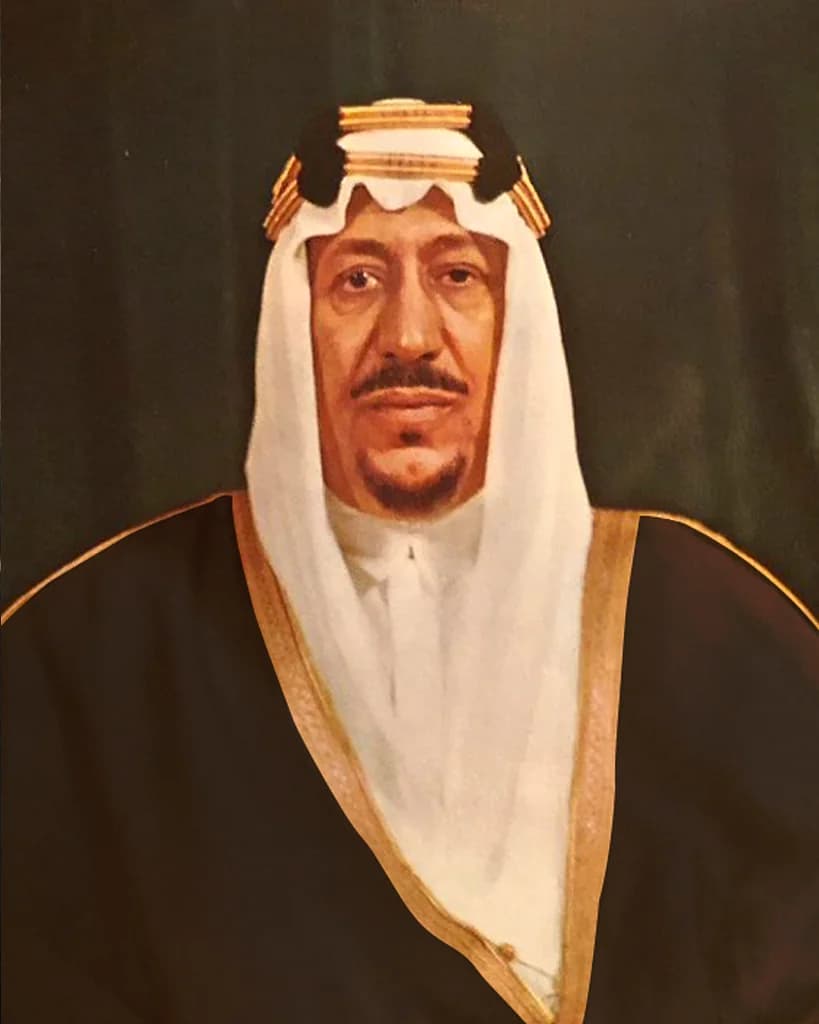
  2. Portrait of King Saud bin Abdulaziz2

    Reign: 1953–1964

    King Saud bin Abdulaziz

    Education, public institutions and the first succession after the founder.

    Biography and milestones

    Saud succeeded his father in 1953 after serving as Crown Prince. His reign expanded education and public services; King Saud University opened in 1957. Work on the Prophet’s Mosque continued during his reign. Faisal became king in 1964 after an internal transfer of authority.

    Selected milestones

    1. 1953Succeeded King Abdulaziz
    2. 1957King Saud University established
    3. 1964Reign ended; Faisal succeeded

    He was King Abdulaziz’s son and the brother of his successor Faisal.

    Father:

    Photo credit: Unknown author · Photograph date 1960 · Public domain · Documentary photograph

    Sources: List of Kings of Saudi Arabia · Saud biography — Saudipedia

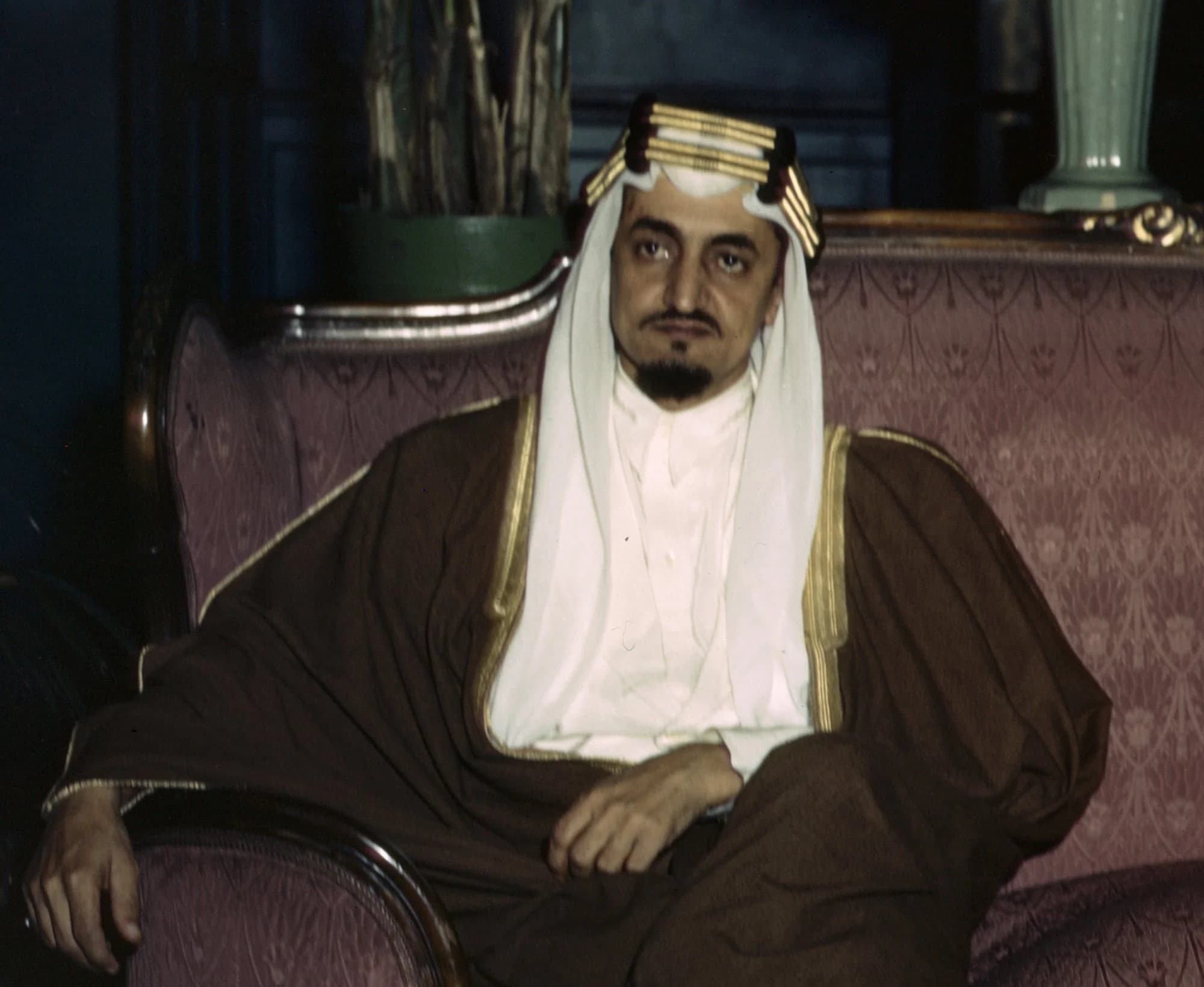
  3. Faisal bin Abdulaziz photographed in 1943, before his reign3

    Reign: 1964–1975

    King Faisal bin Abdulaziz

    Diplomacy, government reform and Arab and Islamic affairs.

    Biography and milestones

    Faisal brought earlier diplomatic and administrative experience to the throne in 1964. His reign developed state institutions and public services, while Saudi Arabia played a prominent part in Arab and Islamic affairs. He was assassinated in 1975 and succeeded by his brother Khalid.

    Selected milestones

    1. 1964Became the third king
    2. 1964–1975Institutional development and diplomacy
    3. 1975Assassination; Khalid succeeded

    The portrait is a historical photograph from before his reign, not a picture dated 1964–1975.

    Father:

    Photo credit: John Rous · Photograph date 1943 · Public domain · Documentary photograph

    Sources: List of Kings of Saudi Arabia · Faisal biography — Saudipedia

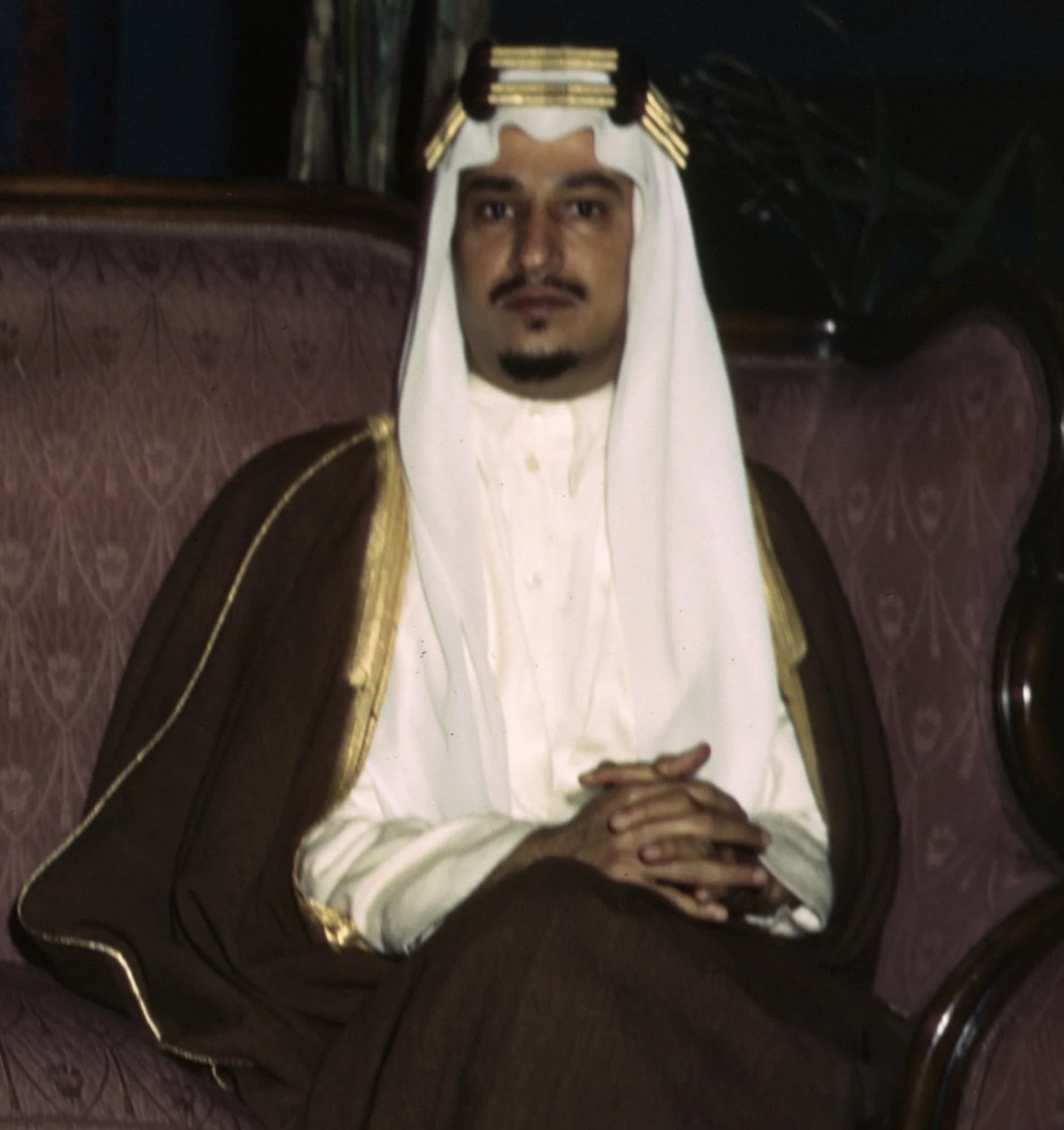
  4. Khalid bin Abdulaziz photographed in 1943, before his reign4

    Reign: 1975–1982

    King Khalid bin Abdulaziz

    Development planning, infrastructure and expanding public services.

    Biography and milestones

    Khalid became the fourth king in 1975. Development during his reign supported infrastructure, industry, agriculture and human resources as the Kingdom’s cities expanded. He had served as Crown Prince under Faisal. His reign ended with his death in 1982, when Fahd succeeded him.

    Selected milestones

    1. 1975Succeeded King Faisal
    2. 1975–1982Development programmes and infrastructure
    3. 1982Death and accession of Fahd

    The retained portrait dates to 1943, before he became king.

    Father:

    Photo credit: John Rous · Photograph date 1943 · Public domain · Documentary photograph

    Sources: List of Kings of Saudi Arabia · Khalid biography — Saudipedia

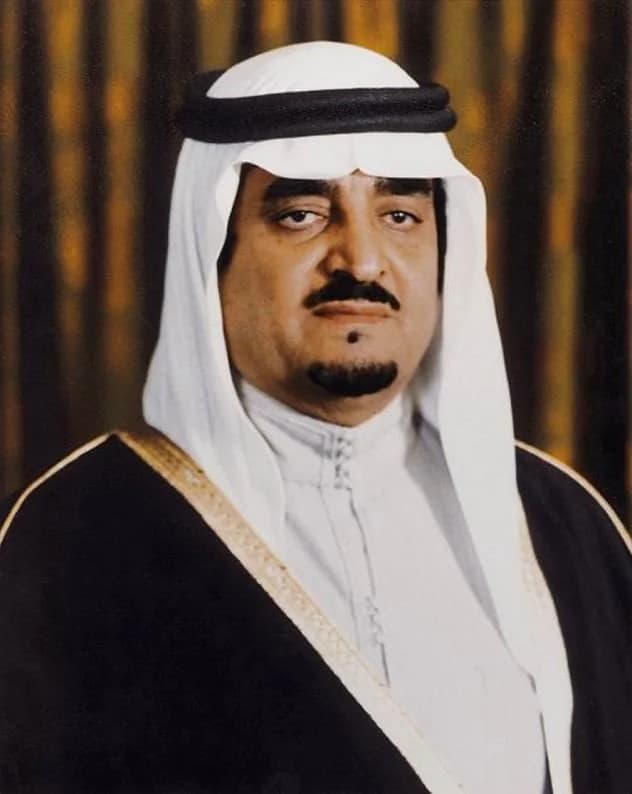
  5. Portrait of King Fahd bin Abdulaziz5

    Reign: 1982–2005

    King Fahd bin Abdulaziz

    Institutional frameworks and service to the Two Holy Mosques.

    Biography and milestones

    Fahd became the fifth king in 1982 after serving as Crown Prince. His reign included major works at the Two Holy Mosques and the 1992 Basic Law of Governance. He used the title Custodian of the Two Holy Mosques. Abdullah succeeded him after his death in 2005.

    Selected milestones

    1. 1982Became king
    2. 1992Basic Law of Governance issued
    3. 2005Death and accession of Abdullah

    A reign timeline records office; a family tree separately records his parentage.

    Father:
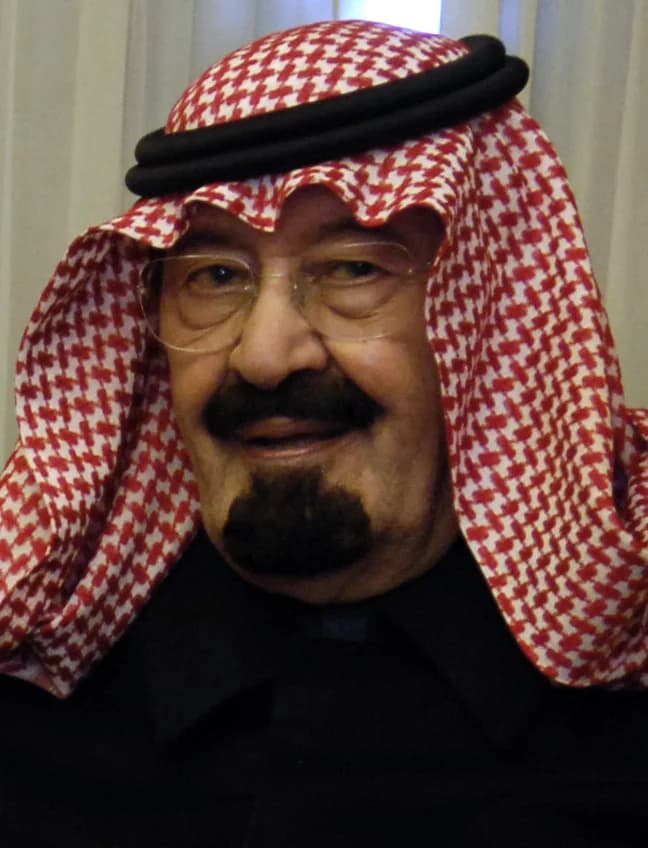
  6. King Abdullah bin Abdulaziz at a meeting in 20076

    Reign: 2005–2015

    King Abdullah bin Abdulaziz

    Education, dialogue and institutional development.

    Biography and milestones

    Abdullah succeeded Fahd in 2005 after many years as Crown Prince and head of the National Guard. His reign supported higher education, scholarship and dialogue initiatives. The Allegiance Council framework was introduced in 2006. Salman succeeded him after his death in January 2015.

    Selected milestones

    1. 2005Became the sixth king
    2. 2006Allegiance Council framework
    3. 2015Death and accession of Salman

    Earlier responsibilities as Crown Prince do not change the start year of his kingship.

    Father:
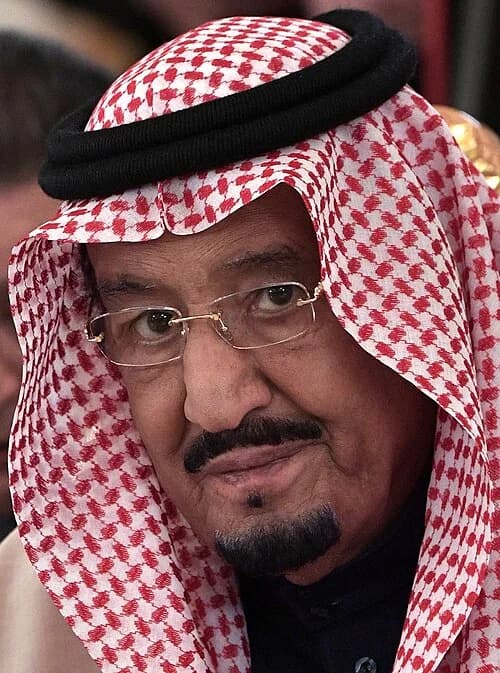
  7. King Salman bin Abdulaziz photographed in 20177

    Reign: 2015–present

    King Salman bin Abdulaziz

    Current king; long public service and the Vision 2030 era.

    Biography and milestones

    Salman became the seventh king on 23 January 2015, succeeding Abdullah. His earlier roles included Governor of Riyadh, Minister of Defence and Crown Prince. His reign includes the Vision 2030 era. Mohammed bin Salman is his son and serves as Crown Prince and Prime Minister.

    Selected milestones

    1. 2015Accession as king
    2. 2016Vision 2030 era began
    3. 2026-10-15Leadership status checked

    Current titles are dated to the research check, not promised permanently.

    Father:

    Photo credit: Пресс-служба Президента Российской Федерации · Photograph date 2017-10-05 · CC BY 4.0 · Documentary photograph

    Sources: List of Kings of Saudi Arabia · Salman biography — Saudipedia · SPA: King Salman invitation to Romanian president, 12 October 2026 · SPA: Crown Prince chairs Cabinet, 13 October 2026

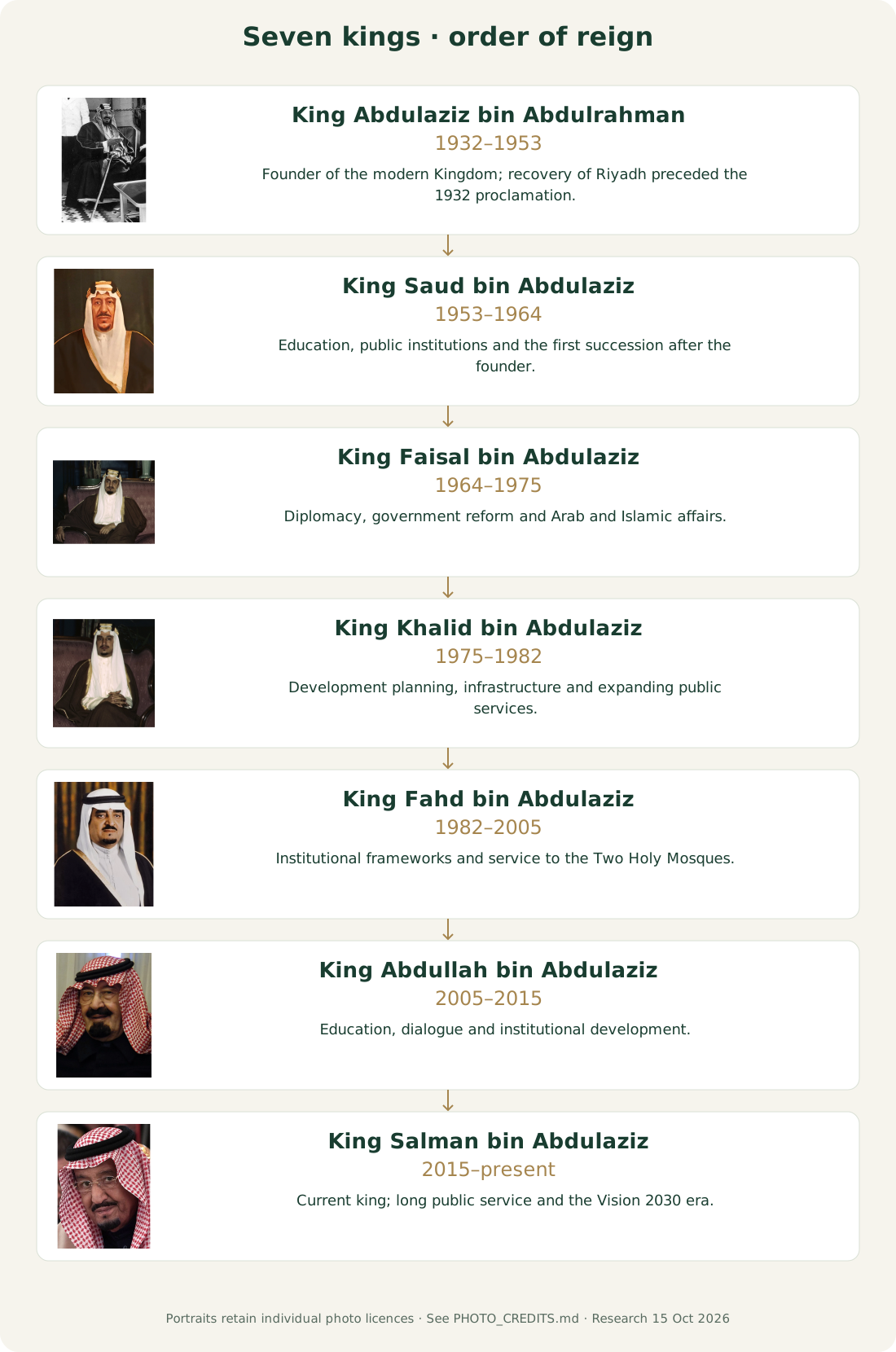
Order of kingship

Arrows show the order of kingship — not parentage. Six kings after Abdulaziz were his sons.

Precise dates vary across sources; year-only reign labels are used.

Diagrams (CC BY-SA 4.0 layout; photos keep their own licences)

Order of kingship — King Abdulaziz bin Abdulrahman, King Saud bin Abdulaziz, King Faisal bin Abdulaziz, King Khalid bin Abdulaziz, King Fahd bin Abdulaziz, King Abdullah bin Abdulaziz, King Salman bin Abdulaziz
Arrows show the order of kingship — not parentage. Six kings after Abdulaziz were his sons.Open full-size diagram

Leadership today

Current roles per SPA statements of 12–13 October 2026; checked 15 October 2026.

Historical milestones

Historical stages did not have identical borders. The current regional map must not be reused as a map of the First or Second Saudi State.

  1. Ancient Arabia

    Ancient towns and trade

    Hegra and other sites preserve settlement, writing and trade long before the Saudi states.

    Source: UNESCO Hegra

  2. Islamic periods

    Holy cities and connected communities

    Makkah and Madinah became enduring centres of worship, learning and pilgrimage.

  3. 1446

    Founding of Diriyah

    Mani’ al-Muraydi established Diriyah in Wadi Hanifah.

  4. 1727

    First Saudi State

    Muhammad bin Saud began the state centred on Diriyah.

  5. 1818

    Fall of Diriyah

    The Ottoman-Egyptian campaign ended the First Saudi State.

  6. 1824

    Second Saudi State

    Turki bin Abdullah restored rule from Riyadh.

  7. 1891

    End of the Second State

    The second period of Saudi statehood ended; the family later rebuilt its rule.

  8. 1902

    Recovery of Riyadh

    Abdulaziz recovered Riyadh, beginning a new phase of unification.

  9. 1932

    Proclamation of the Kingdom

    23 September marks the naming and proclamation of the Kingdom of Saudi Arabia.

  10. 1938

    Commercial oil production

    Dammam Well No. 7 began producing commercial quantities of oil, marking a major economic turning point.

  11. 1953

    First succession in the modern Kingdom

    Saud succeeded his father Abdulaziz.

  12. 1964

    King Faisal’s accession

    Faisal succeeded Saud as the third king.

  13. 1975

    King Khalid’s accession

    Khalid succeeded Faisal as the fourth king.

  14. 1981

    Gulf Cooperation Council

    The GCC was established, placing Saudi Arabia within a new regional cooperation framework.

  15. 1982

    King Fahd’s accession

    Fahd succeeded Khalid as the fifth king.

  16. 1992

    Basic Law of Governance

    The Basic Law was issued during King Fahd’s reign.

  17. 2005

    King Abdullah’s accession

    Abdullah succeeded Fahd as the sixth king.

  18. 2009

    KAUST opened

    King Abdullah University of Science and Technology opened as a research university on the Red Sea.

  19. 2015

    King Salman’s accession

    Salman succeeded Abdullah as the seventh king.

  20. 2016

    Vision 2030 era

    The national transformation programme links contemporary development with the country’s wider history.

  21. 2017

    Crown Prince appointment

    Mohammed bin Salman was appointed Crown Prince on 21 June.

  22. 2022

    Prime Minister appointment

    Mohammed bin Salman was appointed Prime Minister on 27 September.

Identity and geography

  • Official identity

    The Kingdom of Saudi Arabia is an Arab Islamic state. Arabic is its official language and Riyadh its capital.

  • Governance and succession

    The state is a monarchy. The Basic Law and Allegiance Council framework govern royal selection; a genealogy is not a legal or predictive succession list.

  • Two coasts and seven land neighbours

    The Red Sea and Gulf of Aqaba lie to the west, the Arabian Gulf to the east. Land neighbours are Jordan, Iraq, Kuwait, Qatar, the UAE, Oman and Yemen. Bahrain is connected by a causeway, rather than a land border.

  • Landscapes and climate

    Plateaus, deserts, volcanic fields, western highlands, oases and coastal plains create varied environments. A region’s administrative boundary is not a climate boundary.

  • Founding Day

    22 February commemorates the founding of the Saudi state in 1727.

  • National Day

    23 September commemorates the proclamation of the Kingdom in 1932. It refers to a different event from Founding Day.

Frequently asked questions

Was Saudi Arabia founded in 1727 or 1932?

1727 marks the First Saudi State; 1932 marks the modern Kingdom’s proclamation. Both belong in a clear account of statehood.

Are the kings after Abdulaziz his descendants?

The six kings after him up to Salman are his sons. Salman’s son Mohammed bin Salman is Crown Prince and Prime Minister at the research date.

Does the tree contain the entire royal family?

No. It selects the paternal lines relevant to this state-history explanation. Many family members and branches are outside its scope.

Is this an official boundary map?

No. It is an educational regional map with documented source data. GEOSA provides the approved official reference.

Sources and photo credits

Research checked 15 October 2026

Research sources (44)
Photo credits (22)

Diagrams (CC BY-SA 4.0 layout; photos keep their own licences) · The True KSA is an independent information platform; source links and portraits do not imply official endorsement. · Checked: 15 October 2026